How to cook… Handi Chicken

Serves 4 as a main dish
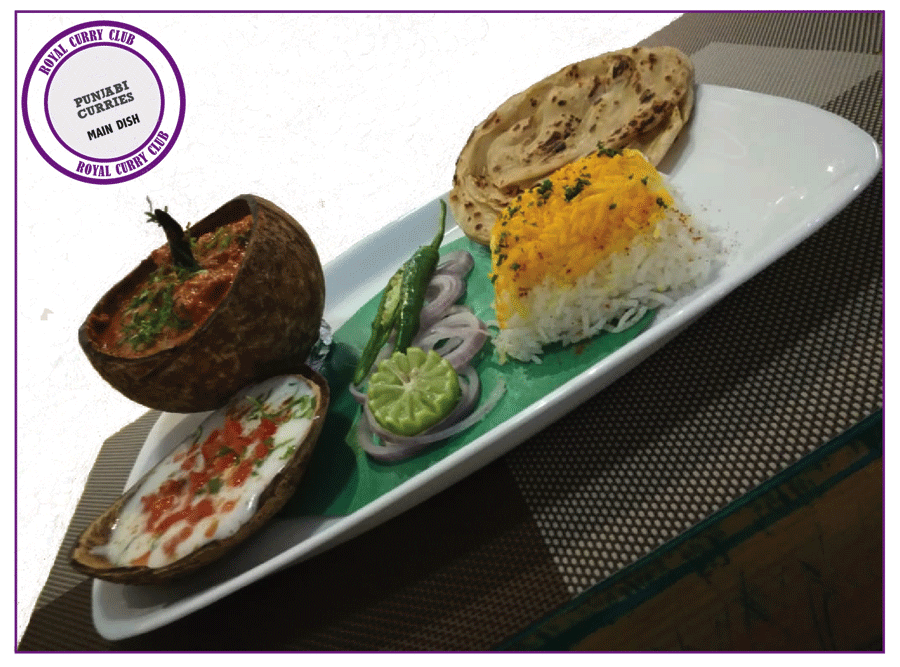
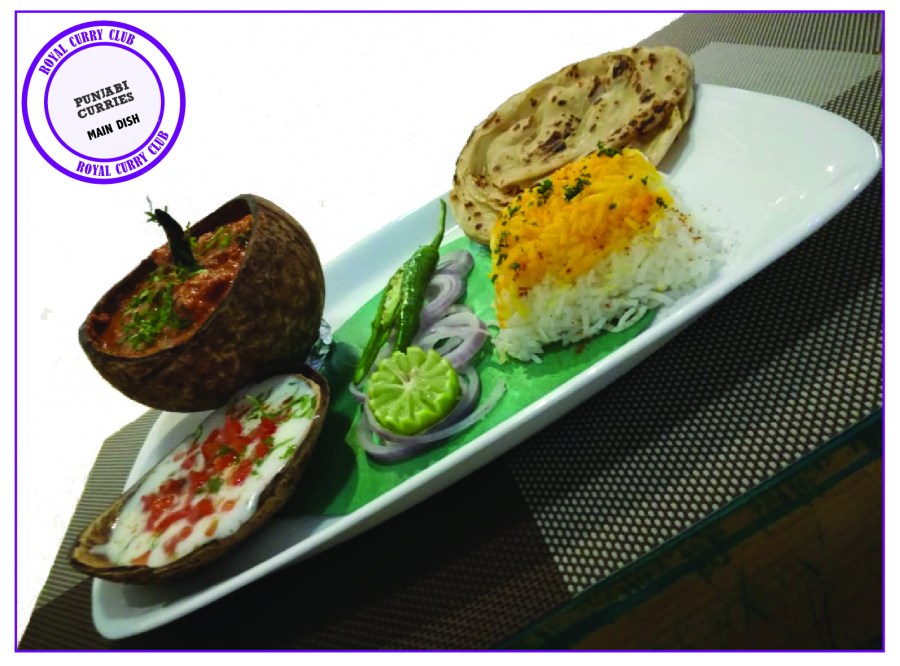
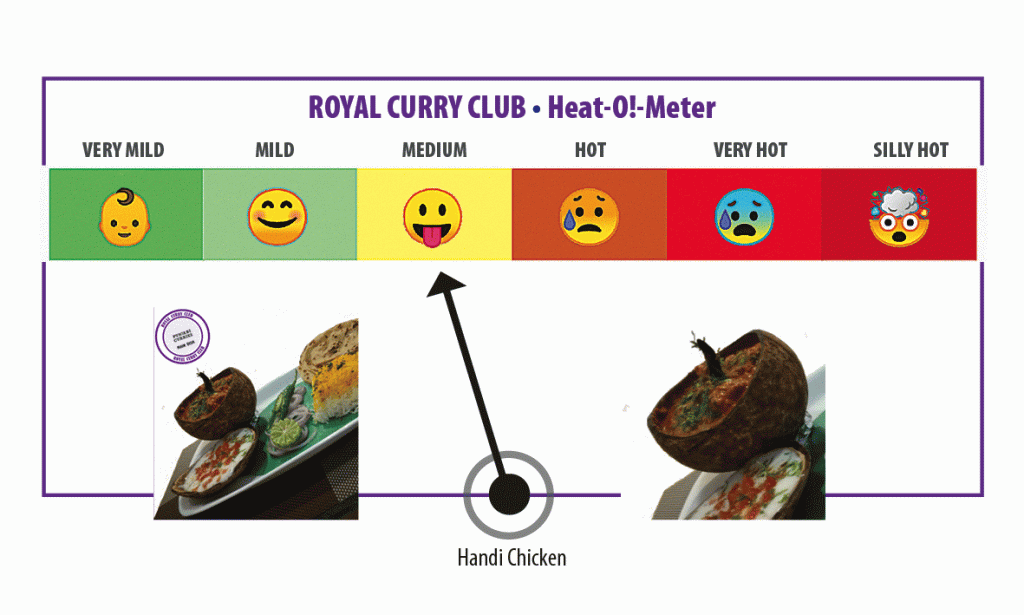
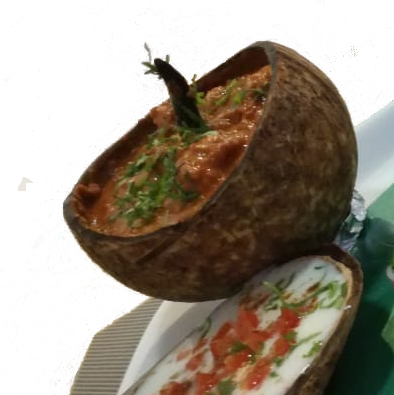
Handi Chicken is a popular Punjabi dish named after the wide Indian cooking pot used particularly in north India and Pakistan. The famous Balti has origins in dishes such as these.

What you need…
• 2 Tablespoons ghee
• 3 onions sliced
• 2 teaspoons ginger paste
• 5 garlic cloves, finely chopped
• salt to taste
• 800g chicken, cut into bite-sized chunks
• 5-6 tomatoes, chopped
• 1 Tablespoons plain yoghurt
• 1 Tablespoon double cream
• small handful of fresh coriander, chopped

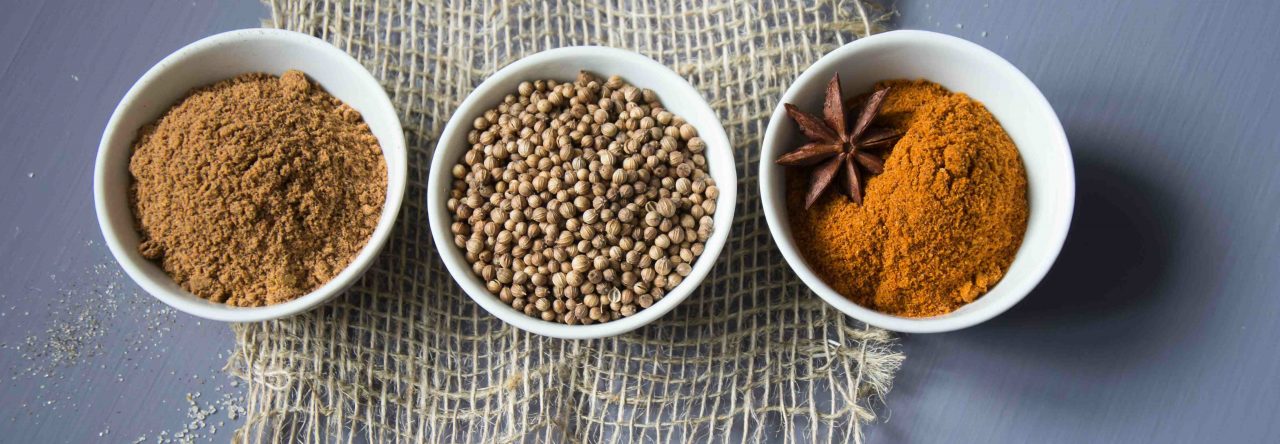
Spice Mix 1
• 1 teaspoon cumin seeds
• 1 teaspoon coriander seeds crushed
• 3 whole chillies

Spice Mix 2
• 1 teaspoon turmeric powder
• 1 teaspoon coriander powder
• 1 teaspoon chilli powder

How to make it…
1. Heat the ghee in a pan. Add Spice Mix 1 and fry for 15 seconds. to test if ghee is hot enough put in one cumin seed. It should sizzle immediately).
2. Add the onions and fry until they are golden brown.
3. Add the ginger, garlic, Spice Mix 2 and salt, stir well and cook for 2 minutes.
4. Add in the chicken and cook until all the pieces are white. This should take about 3–4 minutes.
5. Add in the tomatoes and cook for 8 minutes.
6. Add in the yoghurt, cream and most of the fresh coriander (keep a small bit for the garnish), stir well and cook for 2-3 minutes. Ensure that the chicken is cooked through.
7. Serve, garnished with the remainder of the fresh coriander.
• Recipe by Kedar Chandra, chef at Pakbo restaurant in Flic en Flac, Mauritius.


CHEF’S TIP
The stalks of the coriander have the most flavour, so mix them in with the curry and keep the leaves for the garnish.
If you like this you should try our…
Sindhi Biryani • Medium Chicken Curry • Chicken Madras • Chicken Vindaloo • Chicken Bhoona
Why did the chicken cross the leather? … To get to the other suede.

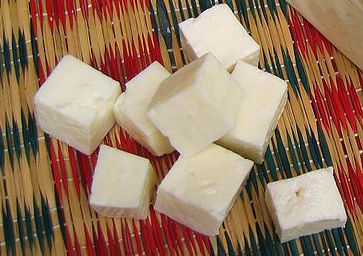
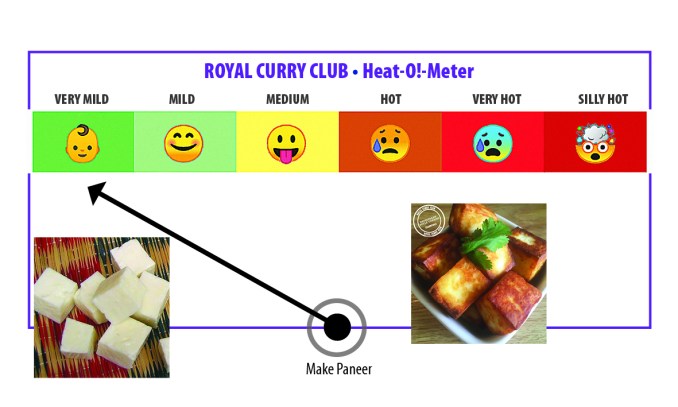
How to make… Paneer

Makes 250g of paneer

What you need…
• 6 pints full cream milk
• 1–2 Tablespoons white vinegar or fresh lemon juice

How to make it…
1. Put the milk into a pan and bring to the boil. Keep stirring to ensure the milk does not stick or burn as this will ruin the taste of the paneer. You’ll know it has boiled when a mound forms on the surface of the milk
2. Take the pan off the heat and add the vinegar or lemon juice a little at a time until the milk separates (these are the curds forming). The separation is pretty obvious so if the whey (what’s left after the curds are forming) still looks like milk, keep going with the vinegar or lemon juice. Let it cool for 10 minutes.
3. Next, remove the curds from the whey. Put some cheesecloth (you can also use muslin or even a J-cloth) over a large bowl and pour the mixture through it to strain out the whey. Rinse the curds with cold water to wash away the taste of the acid.
4. Bring the edges of the cloth together to wrap the curds and squeeze as gently as possible (this ensures the paneer will be soft and crumbly and not flattened completely). Make sure all the liquid had been removed.
5. Put a weight on it and leave it for an hour or more. Some more liquid will come out so put something underneath it.
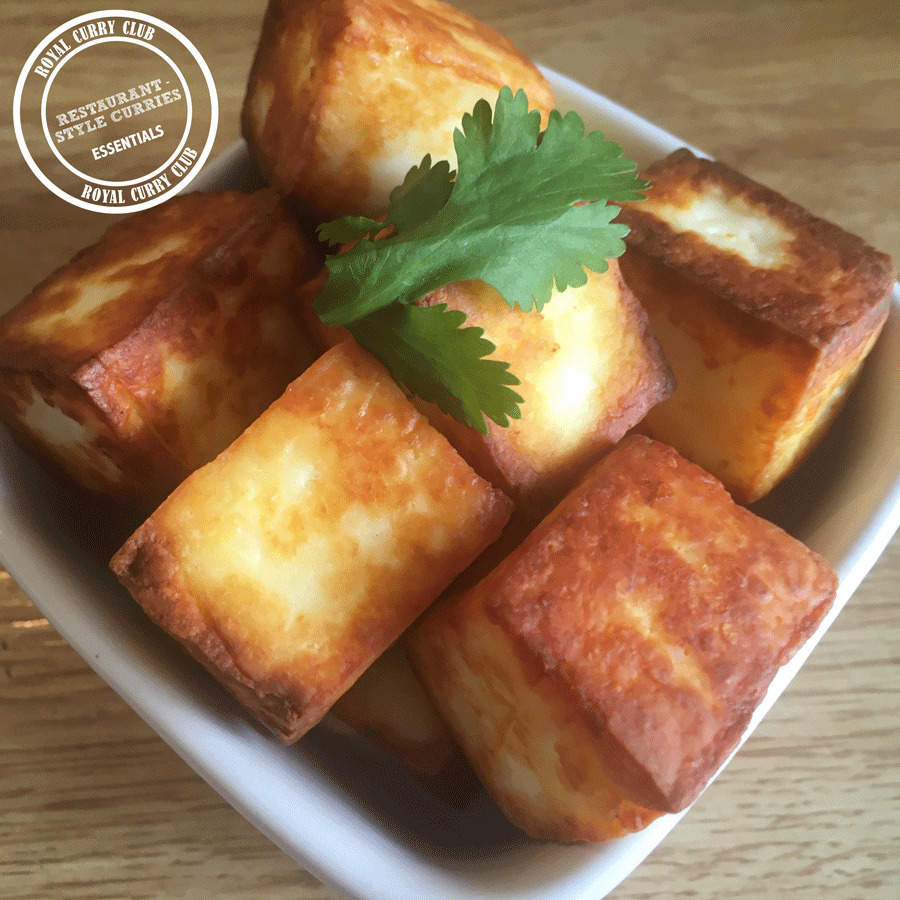
6. The paneer will have formed and you can now cut it into chunks or strips for use.
• Thanks to Chili Paper Chains. Main photo: Sonja Pauen, CCA.

CHEF’S TIP
Full cream milk is essential for the proper taste of paneer.
Paneer is beautiful with creamy sauces such as Butter Paneer or as a side dish with spinach.

If you like this you should try our…
Butter Paneer • Muttar Paneer • Sag Paneer

What is a paneer diet? … Curds and weigh.

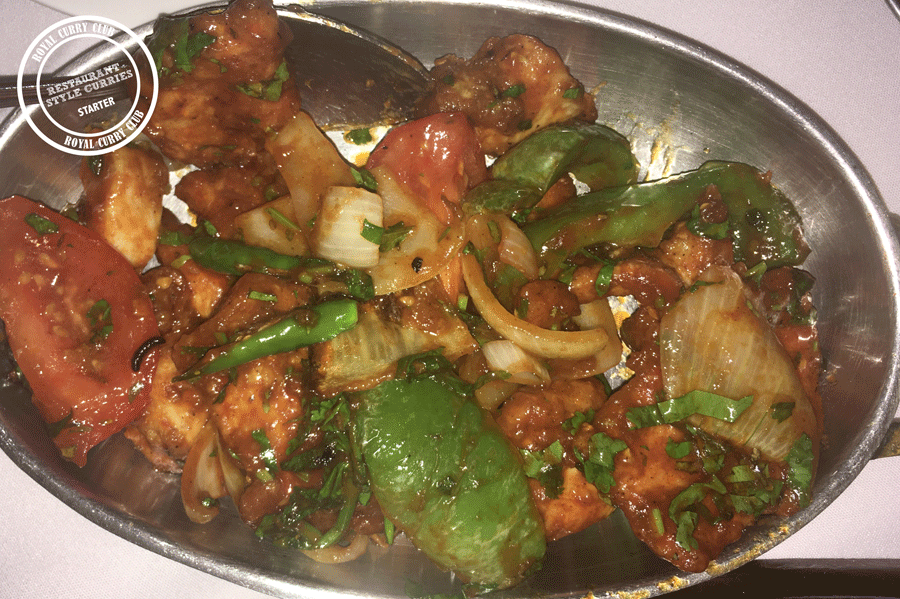
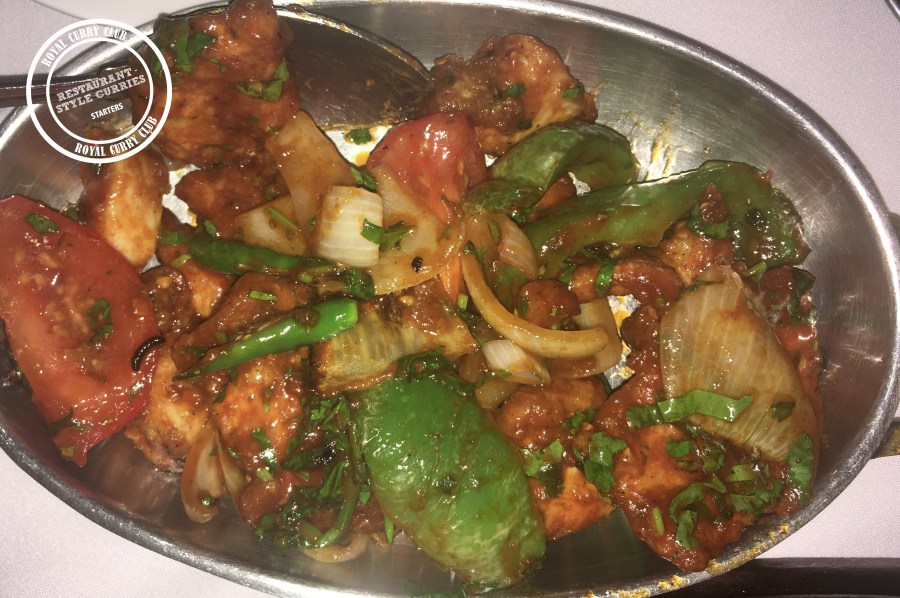
How to cook… Chicken Chilli Dry Fry

Serves 2 as a starter

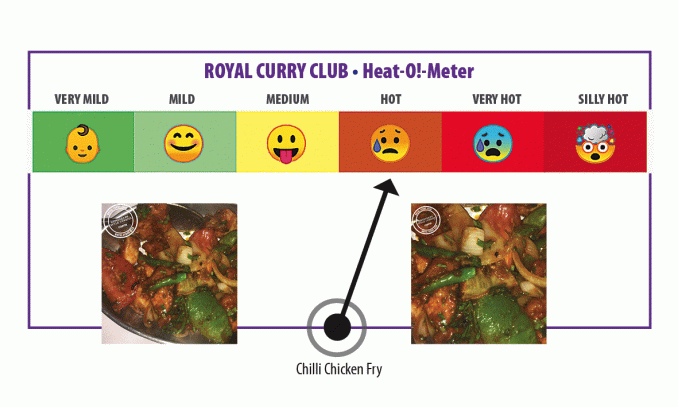
Chicken Chilli Dry Fry is an Indo-Chinese stir-fry dish, combining flavours from both cuisines. It is a very hot, dry dish and should be always be served fresh.

What you need…
• 2 Tablespoons cornflour
• 6 teaspoons soy sauce
• 150g chicken breast, cut into bite-size chunks
• 3 Tablespoons oil
• 1 small onion, roughly chopped
• 0.5 green pepper, sliced into strips
• 1–3 green chillies (to your taste), chopped
• 1 teaspoon ground black pepper
• 0.5 teaspoon red chilli flakes
• 1 tomato, roughly chopped
• 2 spring onions, chopped
• a few coriander leaves, for garnish

How to make it…
1. Mix the cornflour with 4 teaspoons of soy sauce and coat the chicken in the mixture. Marinate for 15 minutes.
2. Heat oil to a medium-hot heat. Fry the chicken until all the pieces are sealed (about 2–3 minutes), then set aside.
3. Add the green peppers to the pan and stir-fry until they start to soften (about 3–4 minutes).
4. Add the onions, chillies, pepper and chilli flakes and stir fry for another 2–3 minutes. Add a tiny bit of water if needed but not too much as this is a dry dish.
5. Add the rest of soya sauce and mix in well.
6. Add in the tomatoes and chicken and stir-fry until the chicken is cooked.
7. Garnish with spring onion and coriander and serve fresh.

CHEF’S TIP
If you enjoy this dish then start looking out for other Hakka Chinese dishes, a distinct Indo-Chinese cuisine that developed from a small group of people who settled in Kolkota from China.

If you like this you should try our…
Medium Chicken Curry • Chicken Madras • Chicken Vindaloo • Chicken Bhoona • Butter Chicken
Two chillis walk into a bar and ask for a menu. Sorry guys we don’t serve food.

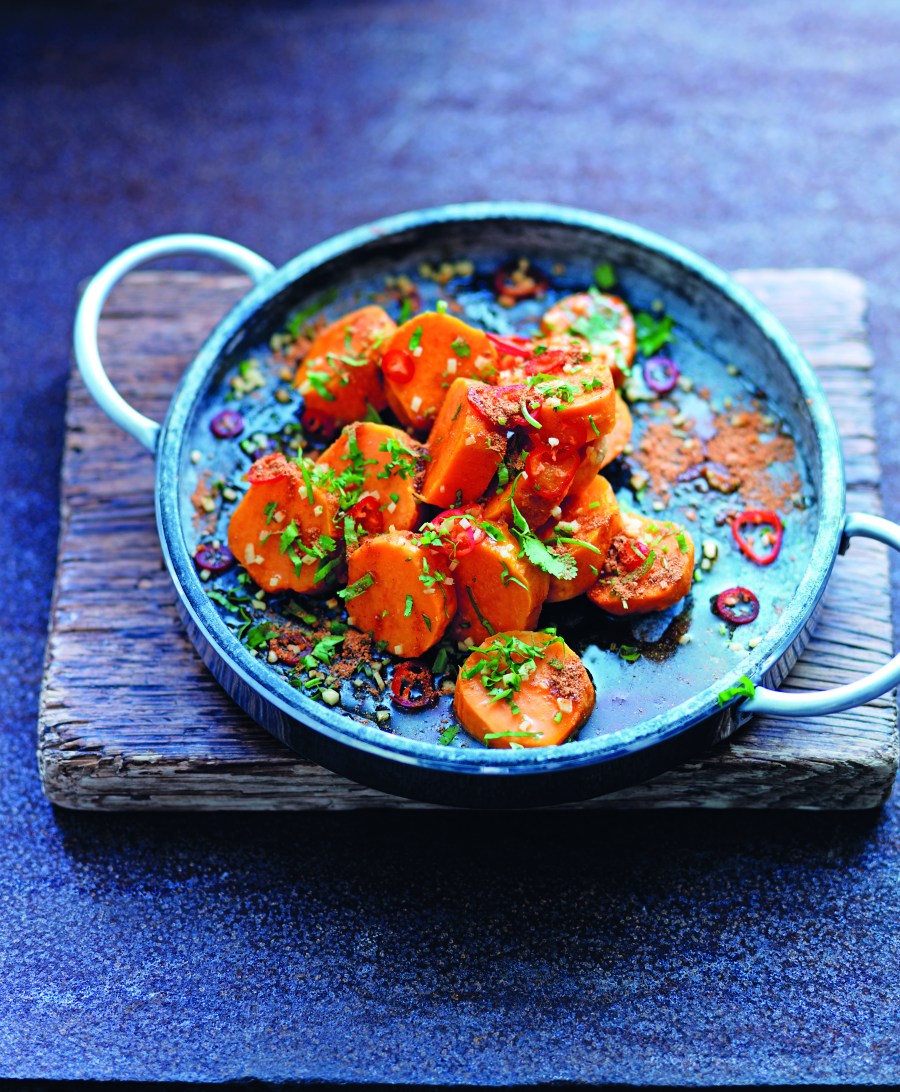
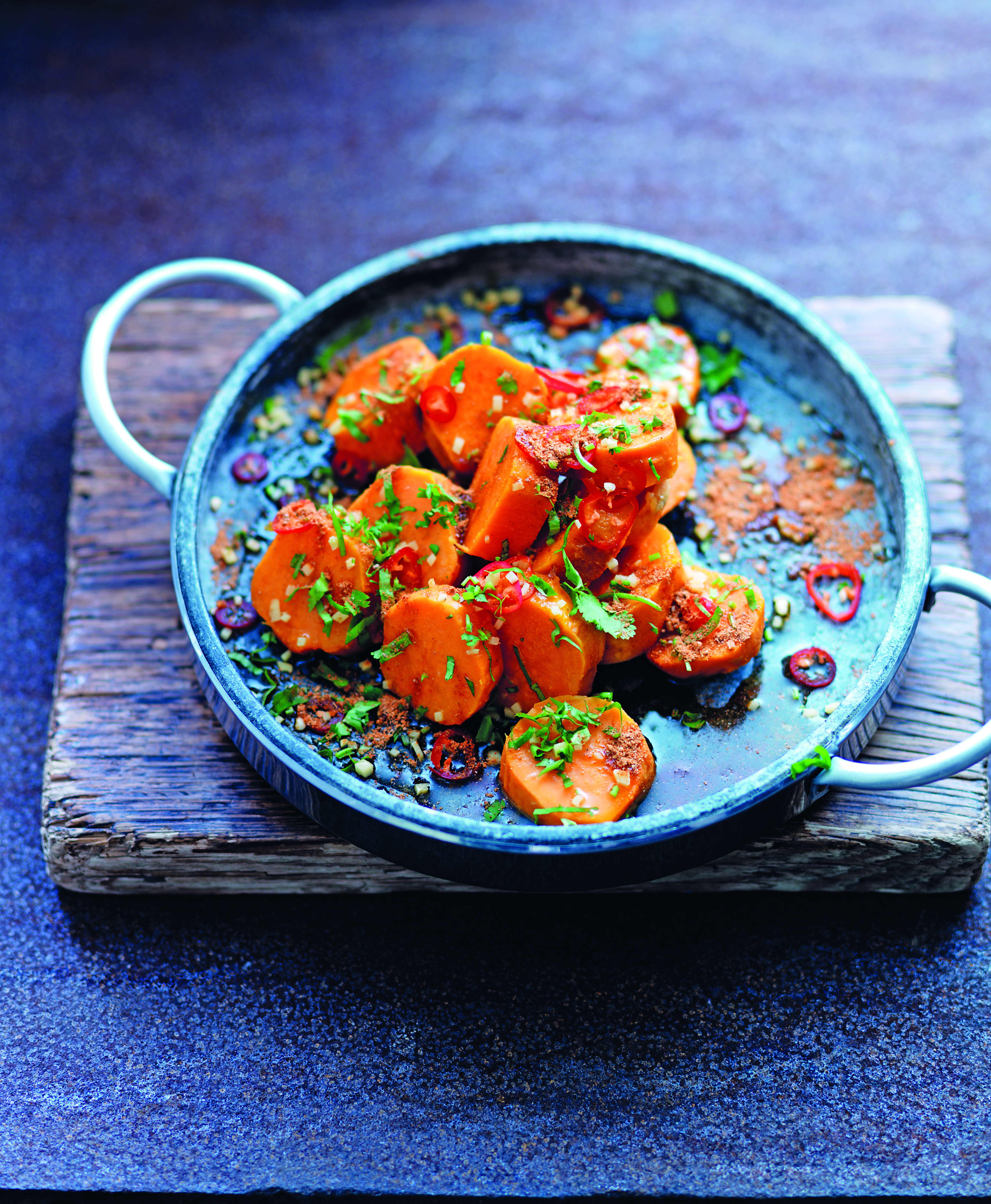
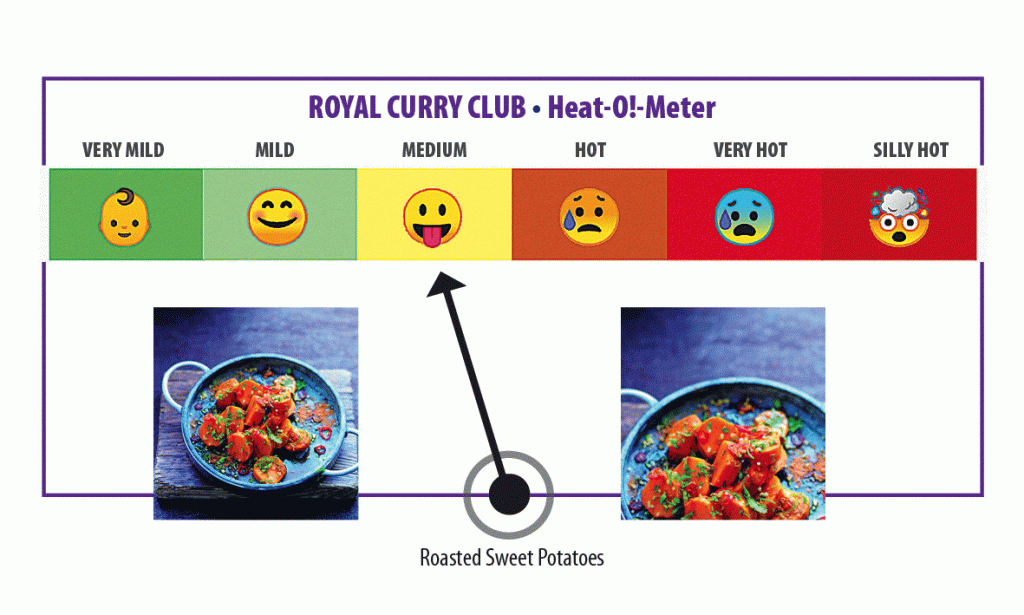
How to cook… Bhuni Shakarkandi

Serves 4 as a snack or starter

Bhuni Shakakandi (Roasted Sweet Potato) is a popular Punjabi street snack. It’s pretty simple to make yet tasty and filling with bread of your choice.

What you need
• 4 sweet potatoes
• 1 teaspoon chilli powder
• 1 teaspoon ground cumin
• 1 teaspoon amchoor (dried mango powder)
• 1 teaspoon salt, or to taste
• juice of 1 lemon
• 1 red chilli, roughly sliced
• few sprigs coriander, torn
• 2.5cm piece ginger, peeled and roughly chopped


How you make it
1. Preheat the oven to 180°C. Wrap the sweet potatoes in foil and bake them in the oven for about 35 minutes or until tender.
2. Leave until cool enough to handle, then peel and cut into 2.5cm rounds.
3. Put the sweet potato in a bowl, add the chilli powder, cumin, amchoor and salt and mix well.
4. Squeeze over the lemon juice, then add the chilli, coriander and ginger. Serve warm.
• Recipe from Food of the Grand Trunk Road by Anirudh Arora and Hardeep Singh Kohli, courtesy of New Holland Publishing.

If you like this you should try our…
Stuffed Pan-Fried Chillies (Bharwan Mircha) • Sindhi Biryani • Medium • Chicken Curry • Chicken Madras • Chicken Vindaloo • Chicken Bhoona
Why are potatoes so fat? … Because they are couch potatoes.

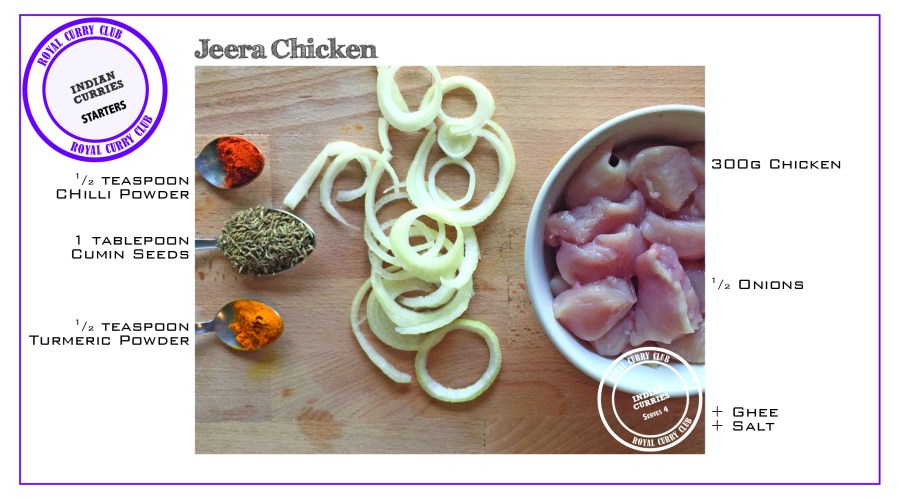
How to cook… Jeera Chicken

Serves 4 as a starter

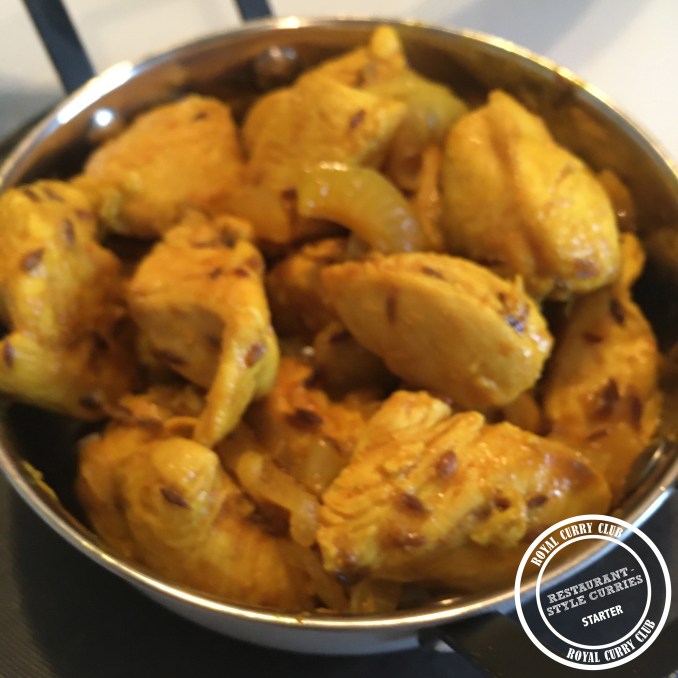
Jeera Chicken (chicken cooked with cumin) is a simple and quick dish to cook so it makes an ideal starter or snack. It’s a dry dish, cooked in only its own juices and a small amount of oil and water and has a lovely golden colour from the turmeric. It’s delicious when served with chutneys and a bit of salad.

What you need…
• 1 Tablespoon ghee
• 1 Tablespoon cumin seeds
• 300g chicken, cut into small bite-size chunks (the chunks should be a bit smaller than the ones you use for main dishes)
• 0.5 onion sliced
• 1 Tablespoon water
• salt to taste

Spice Mix
• 0.5 teaspoon turmeric powder
• 0.5 teaspoon chilli powder

How to make it…
1. Heat the ghee to a high heat. While it is heating up mix the Spice Mix with enough water to form a sloppy paste.
2. Add the cumin seeds to the pan and fry for 15 seconds. They should sizzle immediately. You can test the ghee is hot enough by adding one seed.
3. Add the Spice Mix and cook for 2 minutes. It should now be thick and gloopy.
4. Add the chicken and stir fry for five minutes, ensuring all the pieces are nicely coated in the spices. Keep stirring as it will be very dry. Add the water if needed but keep it as dry as you can.
5. Add the onion and salt and continue stir frying until the chicken is fully cooked.
6. Serve with chutneys and salad.

CHEF’S TIP
Jeera Chicken also makes an excellent main dish for people who like dry dishes. Simply double the quantities shown above..
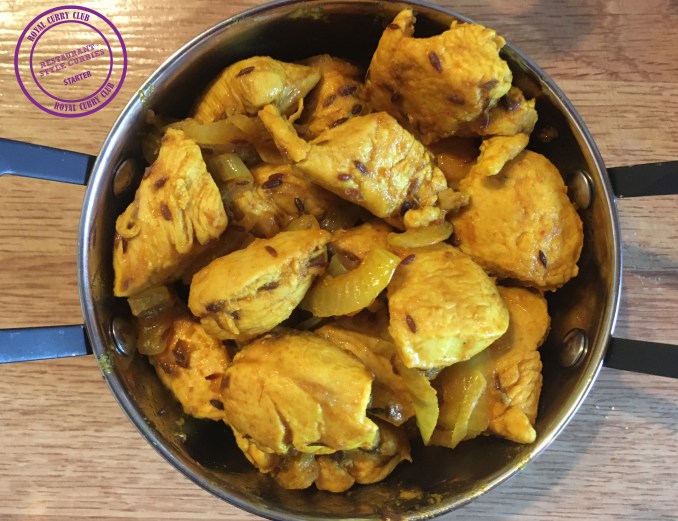
Lighly spiced, Jeera Chicken is a quick and simple dish to make.

If you like this you should try our…
Medium Chicken Curry • Chicken Madras • Chicken Vindaloo • Chicken Bhoona
This guy who comes into our local restaurant is always being rude. One day the waiter had had enough and tipped a bowl of curry over his head. He never saw that cumin.

How to cook… Dal Makhani

Serves 4 as a side dish

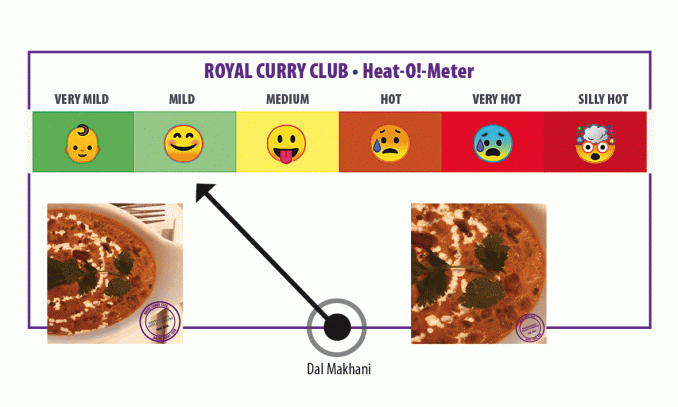
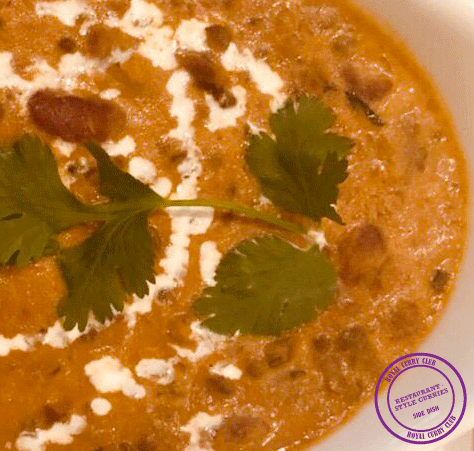
Dal Makani is a superbly rich dish, packed so full of energy that it’s been dubbed the marching food of the troops heading into battles. Preparation and patience are the key to this dish as the lentils have to be soaked for hours and then cooked until soft. But you’ll be rewarded with a luxurious dish of spices, ghee, cream and butter.

What you need…
• 150g whole urad dhal (black lentils)
• 50g rajma (red kidney beans)
• 50g chana dhal
• 0.5 teaspoon salt
• 2 Tablespoons ghee
• 1 teaspoon cumin seeds
• 0.5 teaspoon fenugreek seed
• 1 teaspoon garlic paste
• 1 teaspoon ginger paste
• 100g tomato puree
• 30g cream

Spice Mix
• 0.5 teaspoon garam masala
• 1 teaspoon chilli powder

How to make it…
1. Wash all the lentils (urad, rajma and chana dhal) in water. You will need to rinse through them a few times until the milkiness clears. Now soak them for at least six hours or preferably overnight.
2. Boil the lentils in fresh water with the salt. Simmer on low heat until lentils are well cooked and soft. This will take three to four hours, although you could use a pressure cooker to speed up the process.
3. Drain off the excess water and mesh the lentils lightly. If they are not soft enough you will need to cook them for longer.
4. Mix the Spice Mix with enough water to create a sloppy paste.
5. Heat the ghee in a pan until hot. Add the cumin seeds and fenugreek seeds and stir fry for 15 seconds. They should sizzle immediately. You can test the ghee is hot enough by adding one seed.
6. Add garlic and ginger and fry for 1 minute on a lower heat. You may have to remove the pan from the heat initially to stop it burning. (If it burns then throw it away and start again.)
7. Add Spice Mix and tomato puree and stir for 1 minute.
8. Add the cooked dal, 1 Tablespoon of butter and the cream (keep a tiny bit back for the garnish) mix well and warm though. The dal should be the consistency of a thick but pourable soup. Add hot water to achieve this consistency if needed.
9. Serve with a swirl of cream as garnish and the rest of the butter in the middle (this will quickly melt).
• Recipe and photos courtesy of Gurkha’s Inn, Greenwich.

CHEF’S TIP
Dal Makhani is delicious spooned over white rice or mopped up with a nan bread.
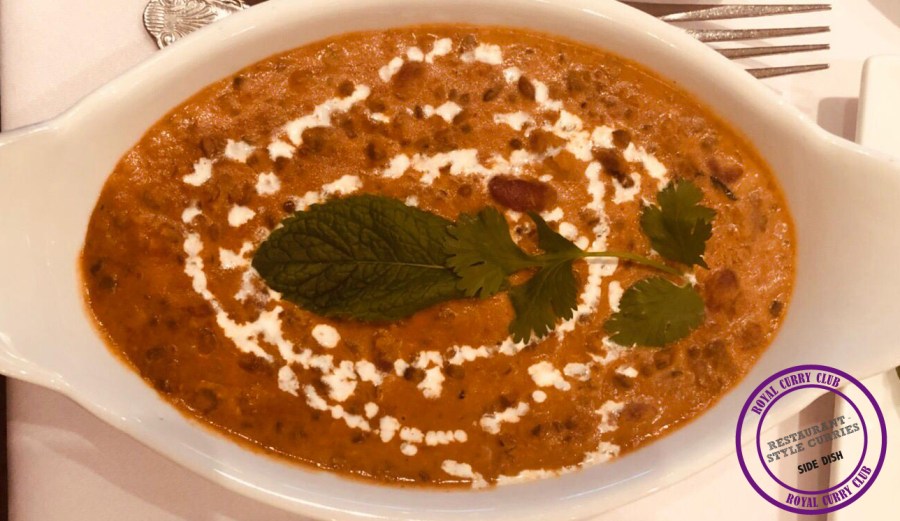
Dal Makhani, creamy and delicious.

If you like this you should try our…
Lamb Madras • Chilli Paneer • Sag Paneer • Muttar Paneer • Prawn Madras • Prawn Rogan • Prawn Vindaloo • Prawn Dopiaza • Medium Chicken Curry • Chicken Madras • Chicken Vindaloo • Chicken Bhoona • Butter Chicken • Chicken Dopiaza • Mushroom Bhajee
“Did you just ring me last night,” the waiter asked. “No, sorry, I pocket dalled you.

Curry Guide…Whisky and Curry

Fancy a change from beer with your curry? The spices in whisky make it an ideal drink to accompany your favourite spice dish. Try the smoky blend Johnnie Walker Black or the super peaty Islay single malt Laphroaig with Chicken Tikka Masala for instance.

serveimage-3Whisky and curry go together remarkably well. The spicy notes – cinnamon, nutmeg, ginger, pepper, cloves among others – are central to the aroma and taste of many whiskies while a host of the other tastes you associate with your favourite curry can be found too. In whisky you’ll also find creamy smoothness (Korma dishes), smokiness (Tandoori), sweetness (Dhansak), vanilla (Kulfi), nuttiness (Pasanda), zestiness (Achari) aniseed (Goan fish dishes), as well as saltiness, fruitiness and slight oiliness.
There’s a lot of snobbery associated with whisky (as with wine) but just as you don’t choose your favourite beer with an elaborate performance of swirling, staring and sniffing nor do you have to do so with whisky either. See the boxes for some ideas of Indian dishes and whiskies but don’t be afraid to experiment and see what works for you. A few select whiskies and a selection of dishes from your favourite takeaway can make for a great night at home with friends.

Classic dishes and popular whiskies 

• Butter chicken, with its creamy, tomato base works well with the vanilla smoothness of America’s favourite, Jack Daniel’s. No Coke!

• The strong and powerful smokiness of popular blend Johnnie Walker Black is needed to compete with the extra hot spiciness of Lamb Madras.

• Famous Grouse combines spiciness with sweetness (from its fruit tastes) something that fans of a Prawn Dhansak will recognise and enjoy.

• Biryanis are dry but highly aromatic and need a light and sweet whisky that will not fight the subtle aromas of whole spices used in the dish. Go for a Bell’s.

• Kormas or Pasandas, with their creamy and nutty tastes, both work well with the easy, smoothness of Ireland’s triple-distilled Jameson. Any idea why it’s a favourite for Irish coffees?


Advanced tasting menu

Starter: Onion bhaji and Glenkinchie 10 Year Old. A classic, simple starter of sliced onion and gram flour that deserves a gentle accompaniment and this Edinburgh whisky is light but has a touch of spice and ginger.

Lamb: Lamb Tikka and Caol Ila (pronounced Cal-le-la). The tandoor-cooked lamb needs something as strong and smoky as the single malt Caol Ila (it’s the lead whisky in Johnnie Walker Black) with its hint of pepper and spice.

Chicken: Achari Chicken and Tullamore Dew. This Irish blend offers spicy and lemon flavours, ideal if you like your chicken cooked in tangy pickles.

Vegetable: Mutter Paneer with Wild Turkey. The smoothness of the cheese needs a smooth whisky and this famous Kentucky Bourbon provides that, but also adds hints of spices including cinnamon.


The Spice Card offers savings on curries, including on takeaways at many venues. You can get your Spice Card here.

3D card image

Curry Guide… Saffron

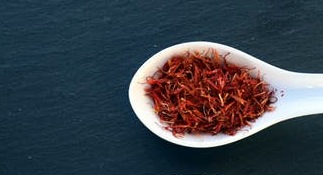
pexels-photo-357743

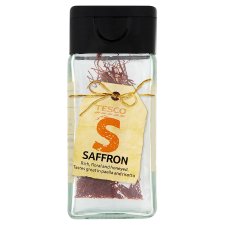
Saffron is a highly prized spice used for seasoning and flavouring, especially in Indian and Middle Eastern food. The delicate stigmas (or threads) are plucked from the saffron crocus and dried before use. Due to this intensive process to harvest just a few stigmas and the fact that it grows in only a few countries around the world, the cost of saffron is very high. So high, in fact, that the question “what spice is more expensive than gold?” has become a staple of nearly everyone who has leaned against a bar with a beer.

Oh, how we all love to exclaim: “saffron!” very loudly as if we have found the secret to the universe. It’s a ritual that’s made all the more fun because it’s not actually true (gold costs more than Ā£32,000 per kg as compared to about Ā£2,500 per kg of saffron)*

Saffron users are also going to need quite a bit of storage space to match its “weight in gold”. With a standard gold bar, as used by the bullion traders and banks, weighing 12.4kg you’re going to need a whopping 24,800 of these 0.5g packs that are sold by Tesco supermarket (at Ā£2.50 each that would set you back Ā£62,000)*.

IDShot_225x225.jpg

But you’re certainly not going to need anything like that to spice up your food. Just a couple of strands is enough to add a beautiful flavour and aroma to your pilau rices, biryanis and kormas. The best way to use saffron is to put a couple of strands in a small amount of warm water or milk and press gently with the back of a spoon. This will release all the wonders of the spice, which can then be added to your dish.

The high cost of saffron means it is unlikely to be used in many restaurants. They will instead use the cheaper safflower, turmeric or colouring agents to try to mimic the properties of saffron.

Saffron is also know as zaffron or kesar (Hindi) and the largest producer of it is Iran, followed by Greece (where it was first cultivated), Morocco and Kashmir. Saffron has also been used for medicinal purposes and as a dye for clothes, its stigmas creating a colour which would have conferred status on the wearer due to its high cost.

* At 10 January 2019.

Photos: Pexels and Tesco.Ā 


Curry Guide… Goan Cuisine


1024px-India_Goa_Chapora_River_Boats.jpg

The food in Goa is quite distinctive from the rest of the India, despite it being one of the smallest states in the country and home to fewer than 1.5 million people. Its location along the western coast of the country, by the Arabian Sea, means seafood features prominently in its cuisine and because its population is largely Christian (Catholic), thanks to just over 450 years of Portuguese occupation, beef and pork are also common, unlike in the rest of India. Chillies are also important in Goan cuisine having been introduced to to the country by the Portuguese in 1498. Curries without chillies, who’d have thought? The Indians used peppers for heat before that.

The most famous Goan dish is Vindaloo, which is a favourite of all heat lovers. Vin means vinegar, thanks to the southern Europeans and the aloo bit is for the amount of garlic in it (the aloo bit is commonly confused as meaning potato because “aloo” means “potato” in Hindi and chunks of the good old spud is in the dish. The traditional dish, cooked with loads of vinegar and pork, is nothing like the curry house dish you’ll get in Britain, although it does share the heat levels.

Other well-known Goan dishes are Xacuti, a dish of chicken or prawns with chilli, white poppy seeds and coconut, and Cafrael, a Portuguese-Indian combination dish which uses a lot of coriander and lime juice and has its roots in Africa.

Photo: Zerohund Wikipedia.

Curry Guide… Korma

IMG_0810The poor old Korma gets a bit of a bad press in Britain. The obsession among some people in eating ever hotter curries means the Korma gets lumped with the “curry novices” tag because it is mild and creamy. And to be fair, the quick and easy Kormas some restaurants turn out have hardly done anything to raise its status. The pale dish that most diners are familiar with uses very little spice – garam masala and perhaps a little turmeric – which is mixed with purĆ©ed onions, garlic, cream, cream coconut and ground almonds.

And, yet, a well-cooked Korma can be one of the tastiest dishes on a menu – it was certainly highly regarded by the courts of the Moghuls and is said to have been served at the inauguration of the Taj Mahal. Korma actually refers to a style of cooking where the chef starts by frying ingredients with oil and avoids using adding water until towards the end of the process. The water must be fully evaporated by the end of the cooking. As such there is no reason why a Kormas has to be mild at all – and indeed there are many Kormas which use chillies.


The Spice Card offers savings on curries, including on takeaways at many venues. You can get your Spice Card here.

3D card image