Featured

Get your Spice Card and love curry more!

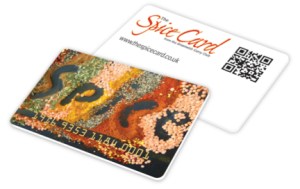
3D card image

You can save 20% on curry every time you use the Spice Card – on dine-in and takeaways (including takeaways!)

The Spice Card is for lovers of spicy food, whether it’s Indian, Thai, Chinese or Vietnamese – and for just £15 a year you can enjoy savings at restaurants and takeaways across South East London – from Greenwich to Blackheath, Lewisham to Charlton, New Cross, Grove Park, Bexleyheath and the Isle of Dogs.

You will enjoy the savings for dine-in and takeaways (including deliveries) at most venues. You can use the Spice Card as many times as you like during the year.

Yes! I want to buy my Spice Card now!

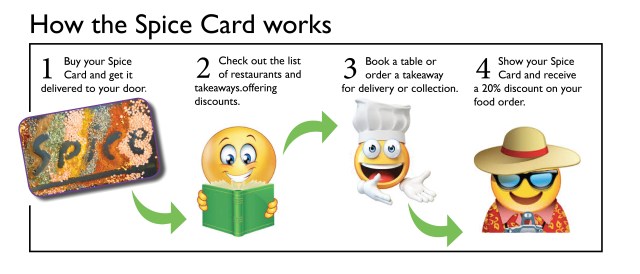
First you buy your Spice Card for £15. Then you enjoy a curry at one of our partner restaurants or takeaways. Your bill will include a 20% discount on your food. Repeat for a year…

How it works graphic.jpg

To see which restaurant and takeaways offer the Spice Card discount head check out the website.

The chart below shows the annual savings you could enjoy with your the Spice Card

Savings chart.jpg

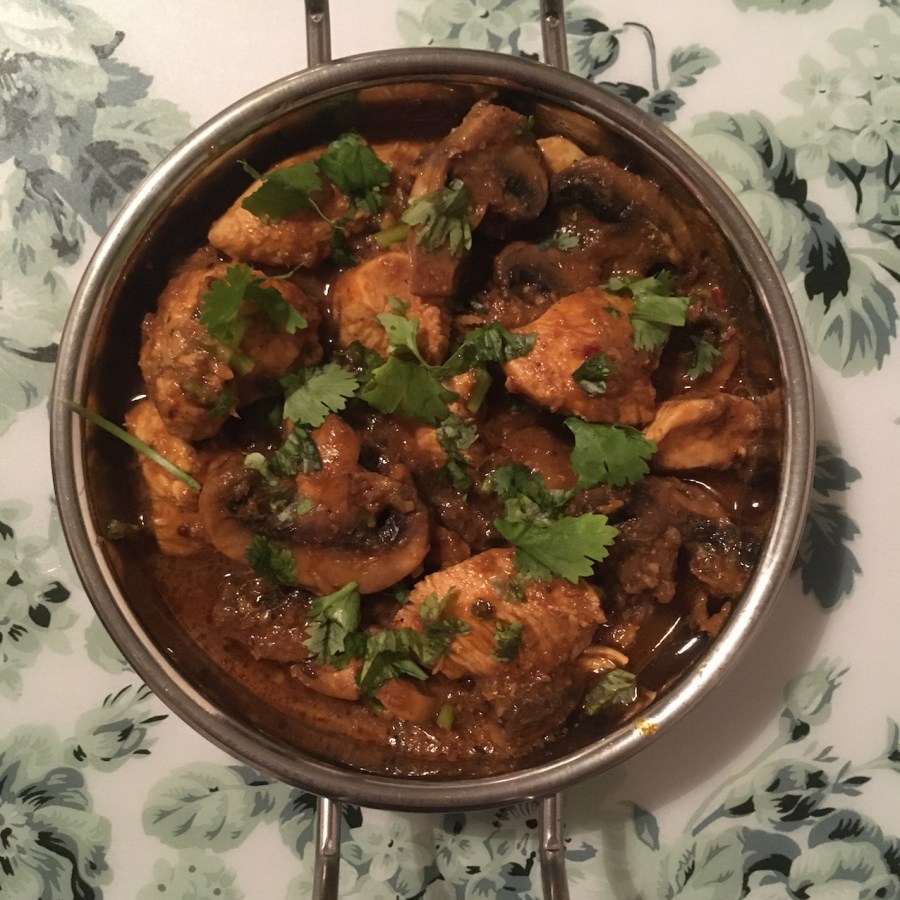
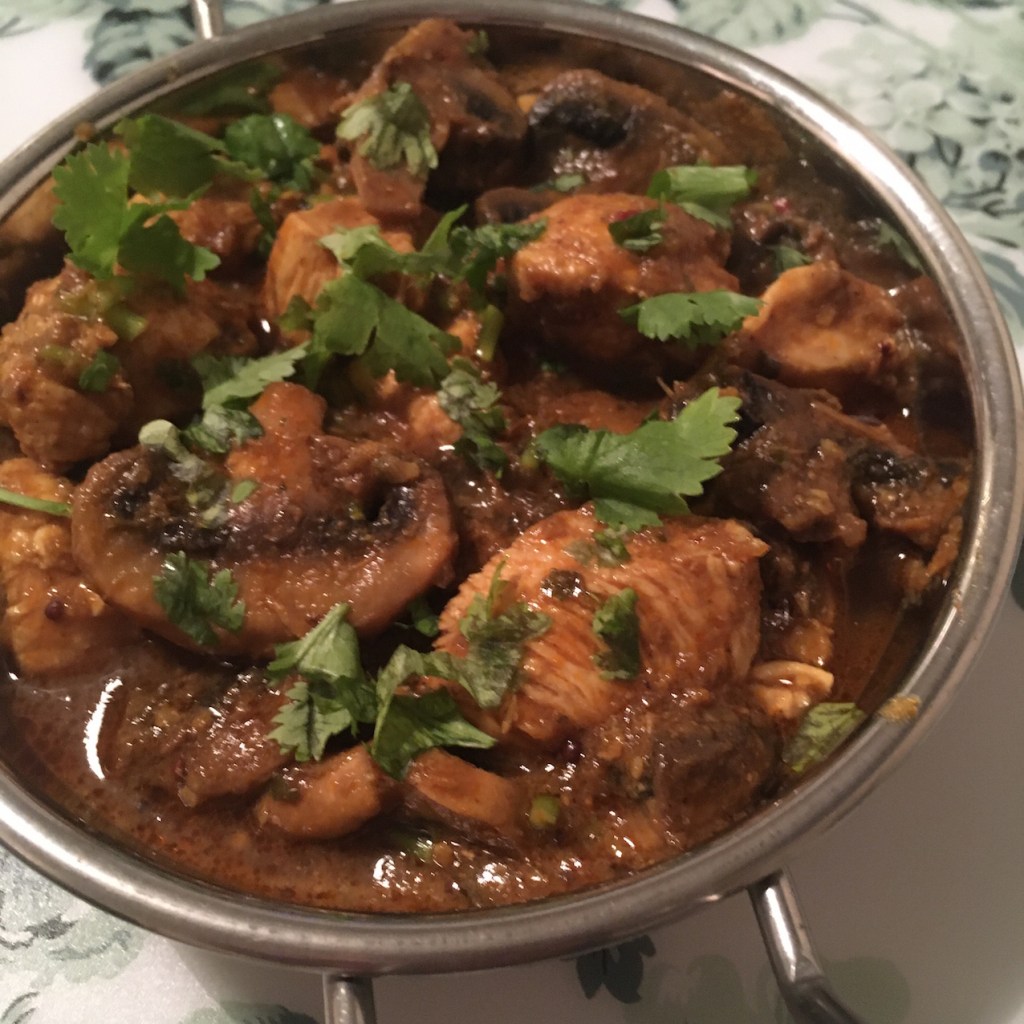
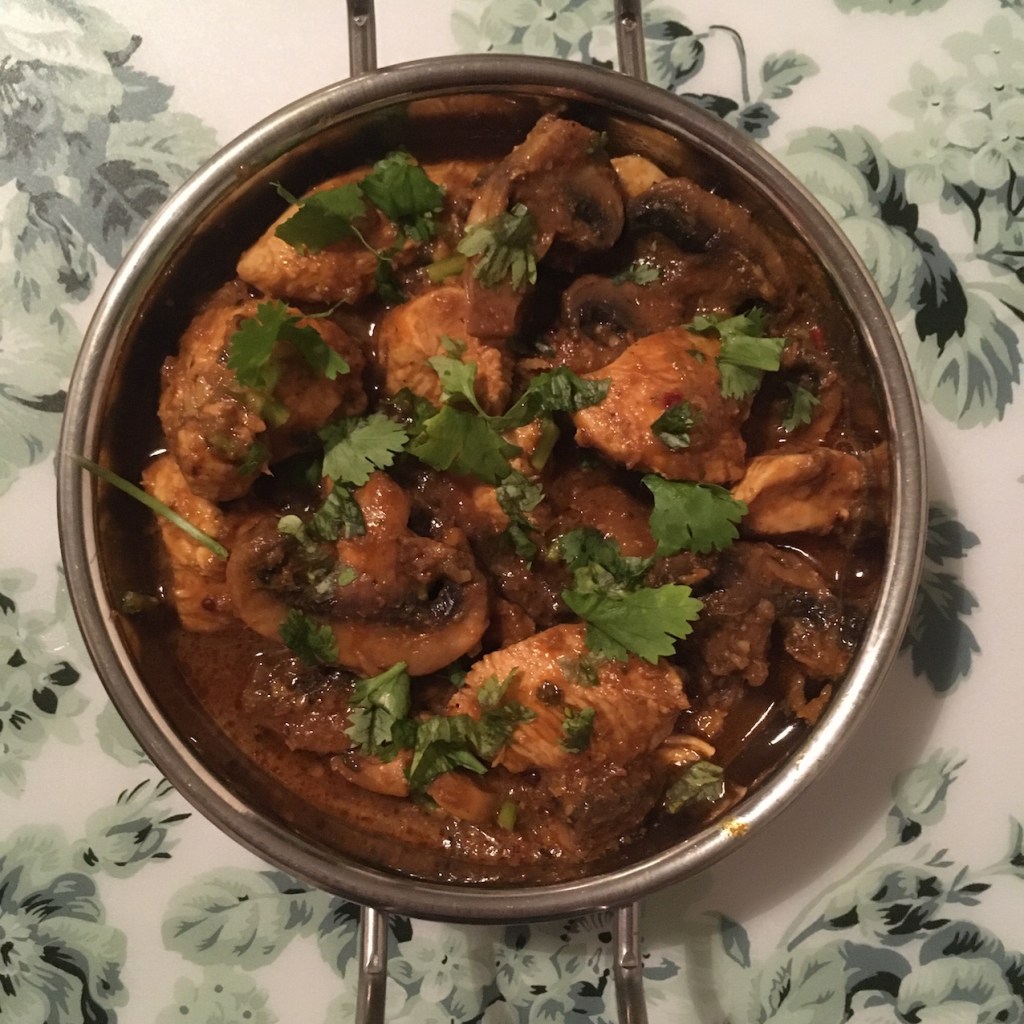
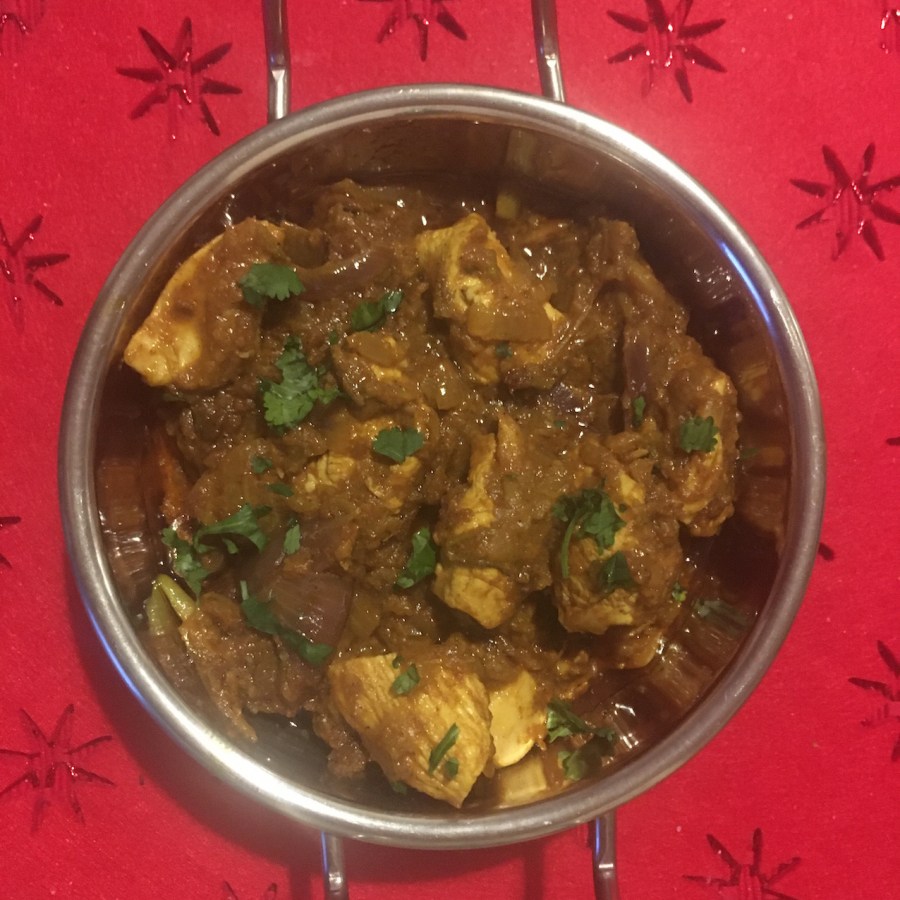
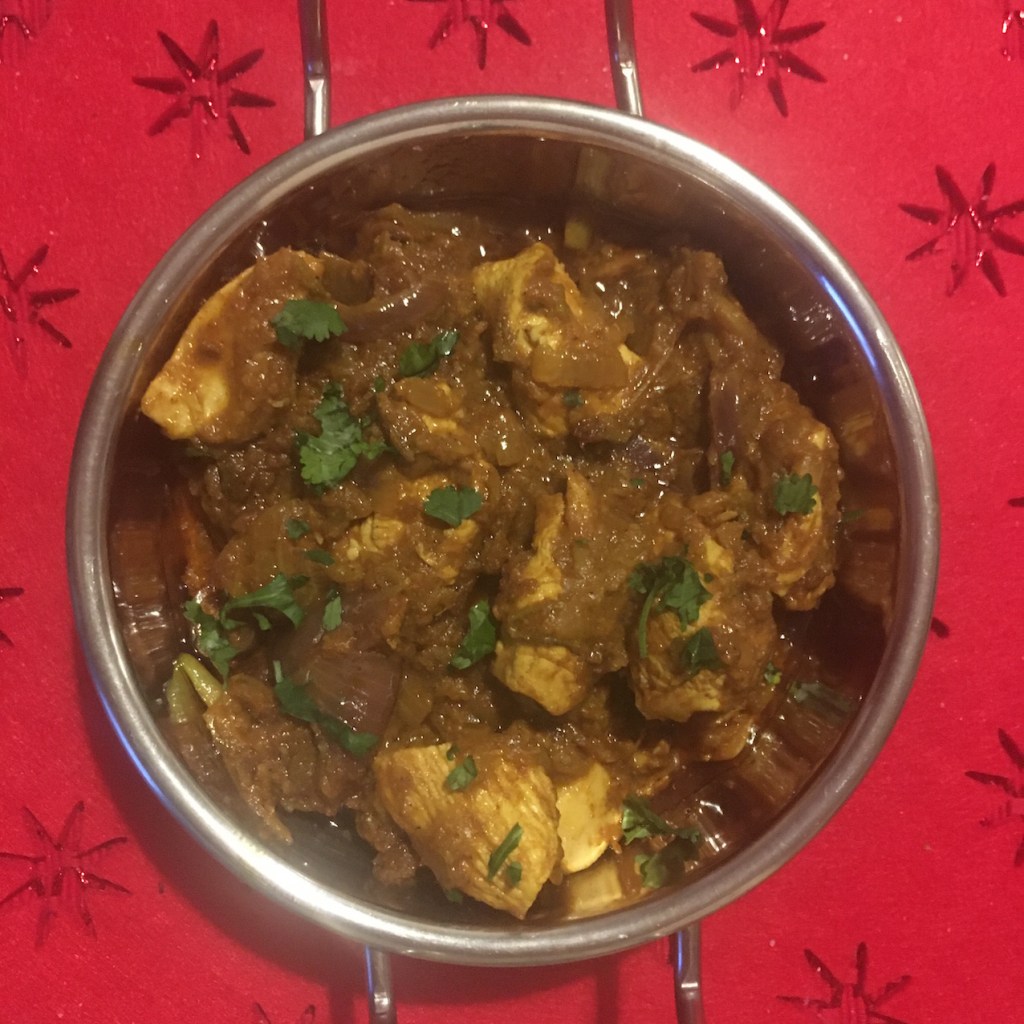
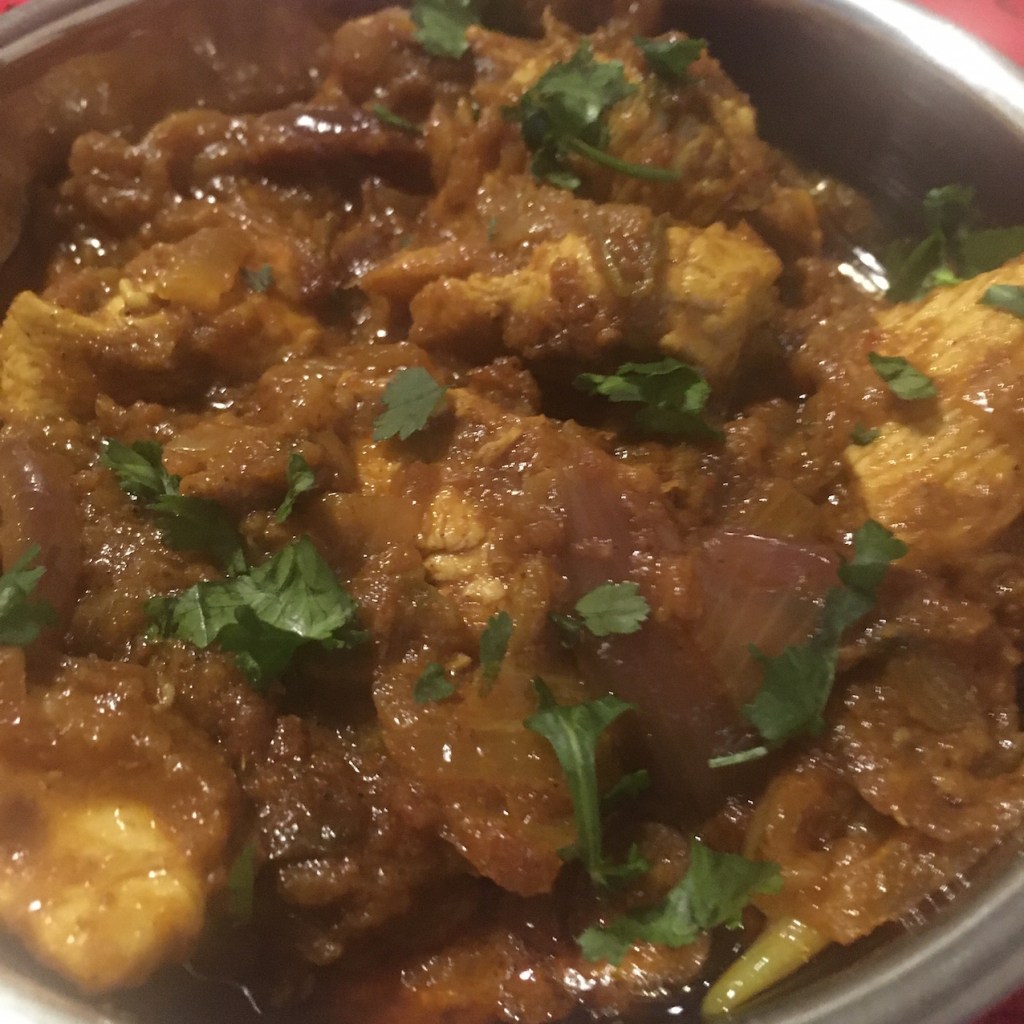
How to cook… Chicken and Mushroom Balti

Serves 4 as a main dish

The joy of balti cooking is that it mixes and matches different ingredients. If you want it then add it to your dish Add mushrooms to the classic Chicken Balti and, hey presto, you have a Chicken and Mushroom Balti.

What you need…
• 2 Tablespoons vegetable oil
• 3 garlic cloves, peeled and sliced
• 3cm piece of ginger, peel and cut into small chunks
• 0.5 onion, sliced
• 1 Tablespoon tomato paste
• 600g Base Curry Sauce
• 1 teaspoon garam masala
• 3 Tablespoons chopped coriander
• 600g chicken, cut into small bite-sized pieces
• 200g mushrooms, thinly sliced
• Salt, to taste

Balti Masala
• 1 Tablespoon coriander seeds
• 1 teaspoon cumin seeds
• 1 teaspoon mustard seeds
• 3 cardamoms
• 2 cloves
• 3 dried red chillies
• 4 bay leaves


–––––
• 0.5 teaspoon sea salt
1 teaspoon turmeric


How to make it…
1. Dry fry the ingredients of the Balti Masala (except the salt and turmeric) in a heated pan until they release their aromas (about 2 minutes). Grind them to a powder. Add the salt and turmeric, and add some water to form a paste. Set aside.
2. Heat the oil to high heat, add the fenugreek seeds and fry for 15 seconds. They should sizzle immediately. You can test the ghee is hot enough by adding one seed.
3. Turn down the heat, add the garlic and ginger and fry for 2 minutes.
4. Add the onion and fry for 1 minute.
5. Add the Balti Masala, the tomato paste and fry for 3 minutes, adding a little water if needed.
6. Add the Base Curry Sauce, garam masala, 2 Tablespoons of coriander, chicken, and mushrooms, and cook until all the chicken pieces are cooked through (about 10 minutes). Stir frequently, add salt to taste and water if needed.
7. Serve straight away, garnished with the rest of the coriander.

CHEF’S TIP
Experiment with other combinations. Add sweetcorn, peppers, extra garlic, whatever you fancy, to the classic Chicken Balti and you have a combination dish.

If you like this you should try our
Sag PaneerChilli PaneerButter ChickenButter PaneerPrawn KormaMedium Chicken CurryChicken MadrasChicken VindalooChicken BhoonaChicken DopiazaAmbot Tik

Heard someone they can eat these easily? It’s a phallacy.

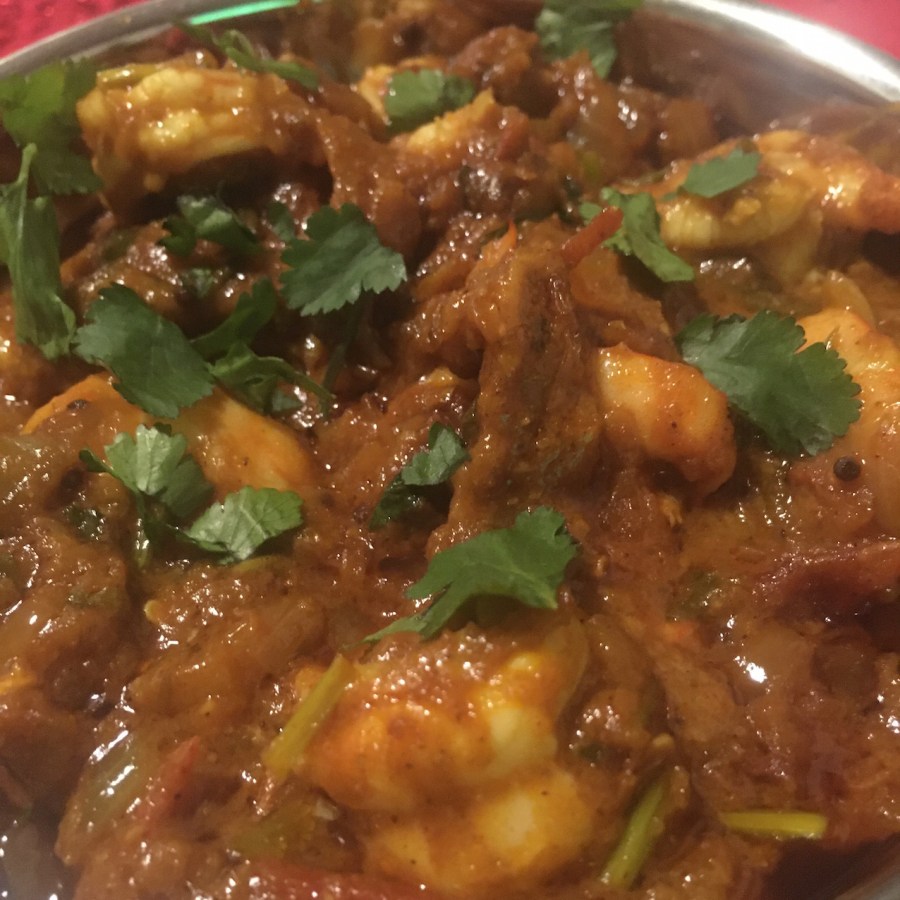
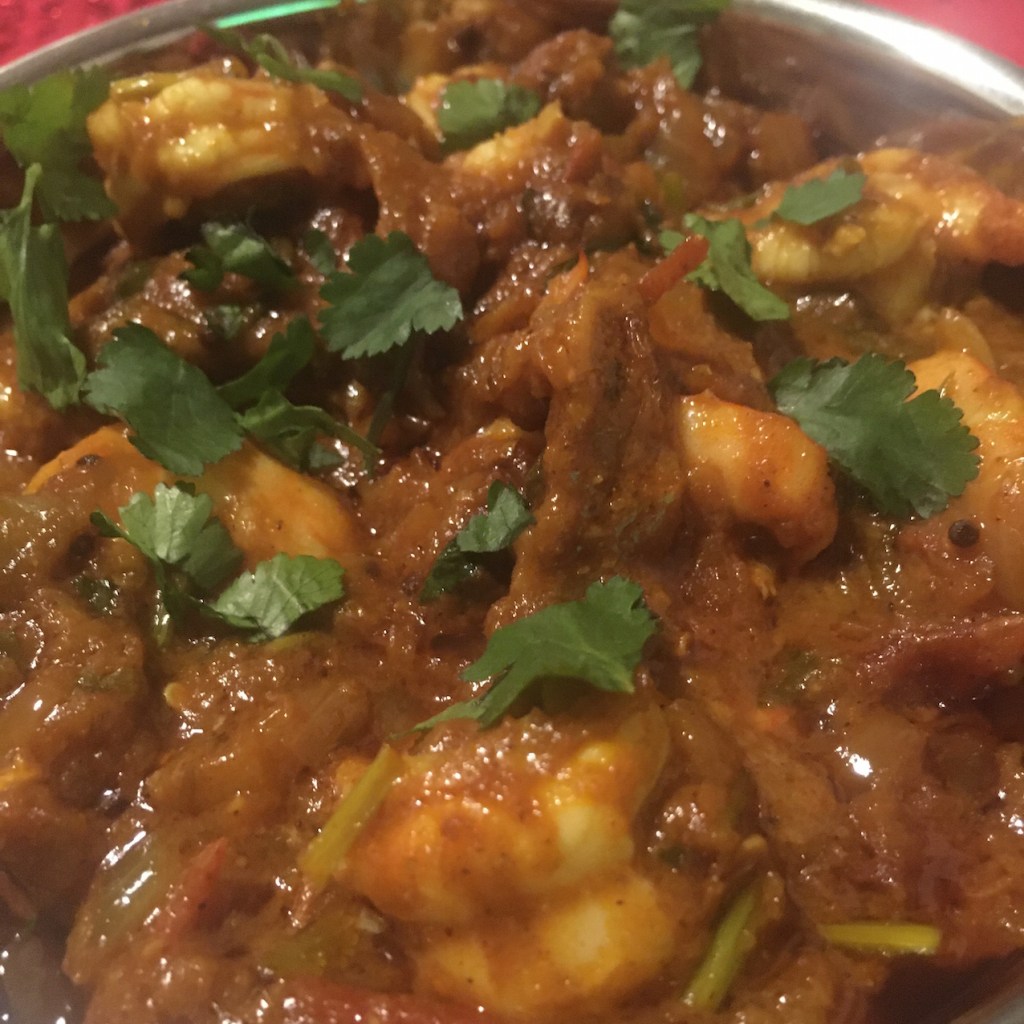
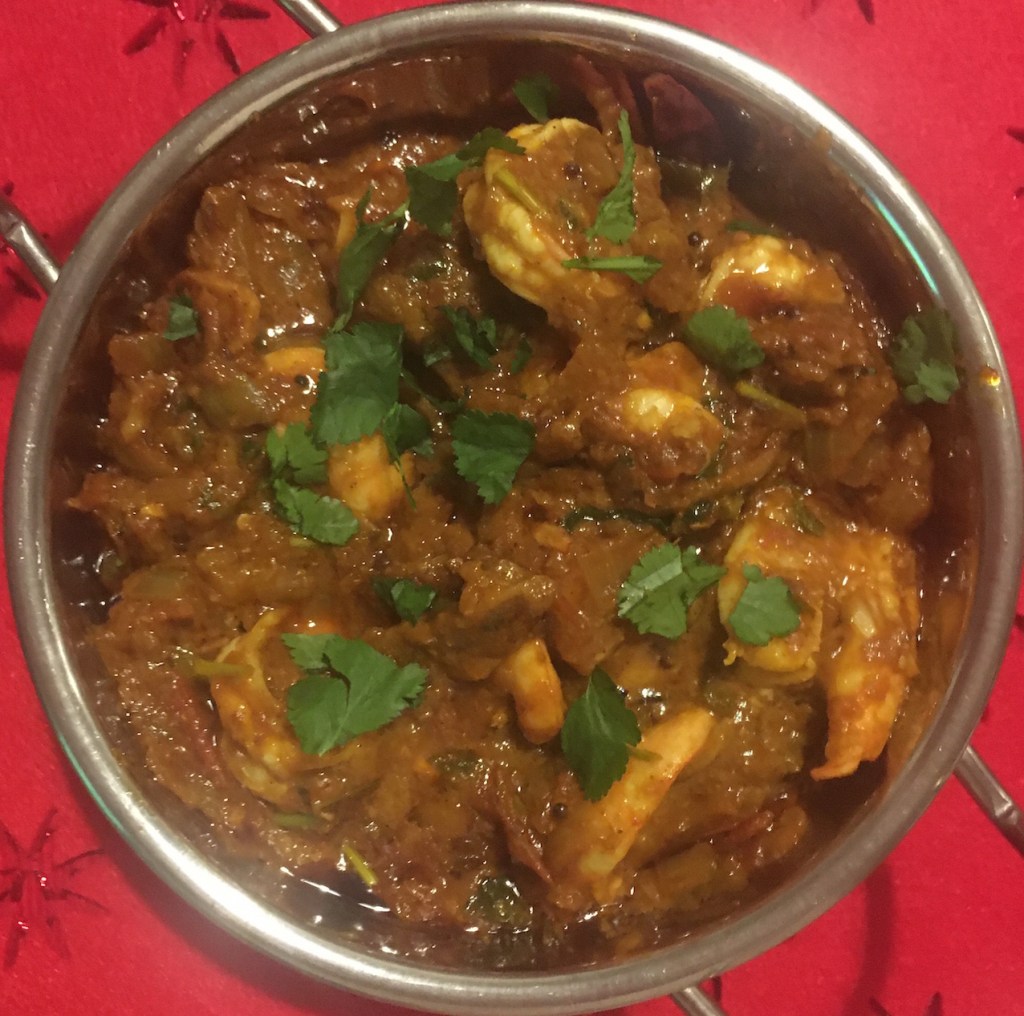
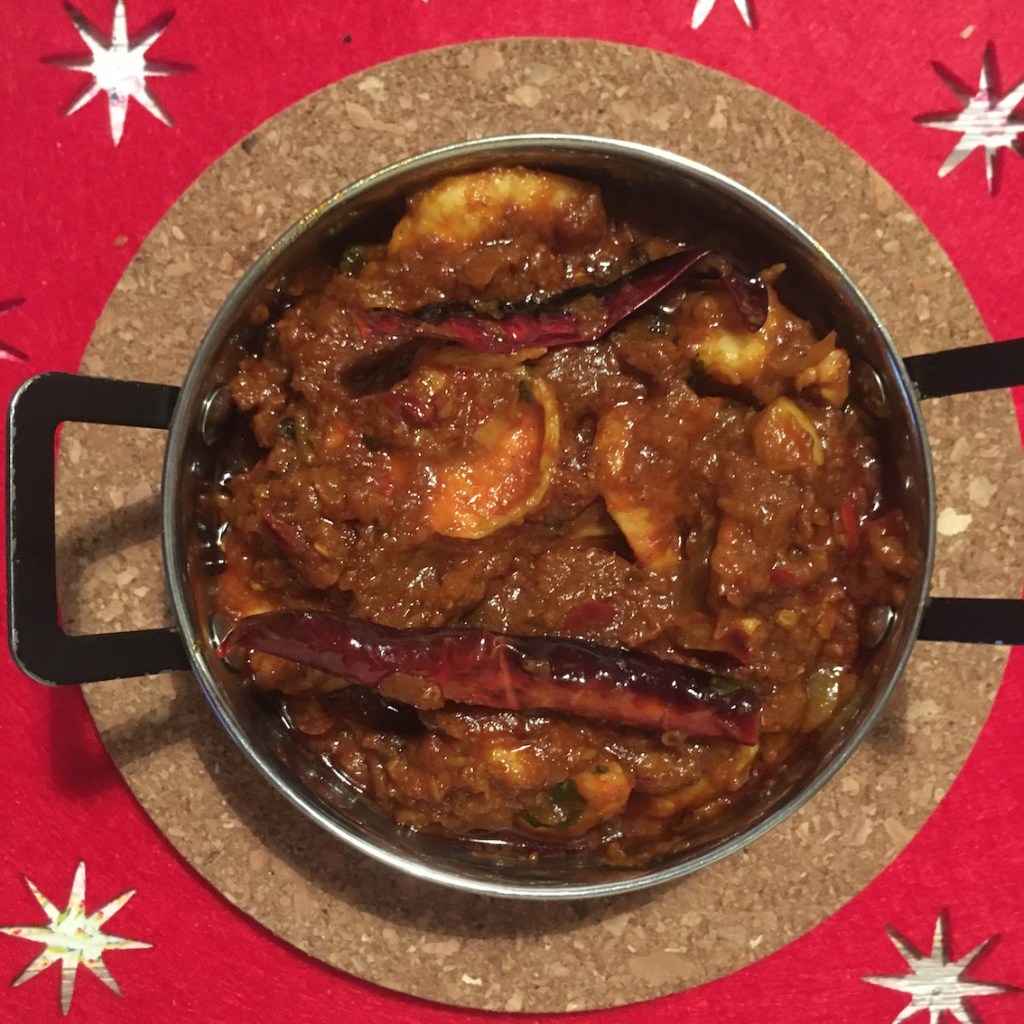
How to cook… Prawn Balti

Serves 4 as a main dish

Prawns are ideal for balti cooking as they cook very quickly for an extra fresh-tasting dish. This makes a medium-strength dish plus that nice salty tasty of the prawns.

What you need…
• 2 Tablespoons vegetable oil
• 3 garlic cloves, peeled and sliced
• 3cm piece of ginger, peel and cut into small chunks
• 0.5 onion, sliced
• 1 Tablespoon tomato paste
• 600g Base Curry Sauce
• 1 teaspoon garam masala
• 3 Tablespoons chopped coriander
• 800g prawns, peeled and deveined
• Salt, to taste

Balti Masala
• 1 Tablespoon coriander seeds
• 1 teaspoon cumin seeds
• 1 teaspoon mustard seeds
• 3 cardamoms
• 2 cloves
• 3 dried red chillies
• 4 bay leaves


––––
• 0.5 teaspoon sea salt
• 1 teaspoon turmeric


How to make it…
1. Dry fry the ingredients of the Balti Masala (except the salt and turmeric) in a heated pan until they release their aromas (about 2 minutes). Grind them to a powder. Add the salt and some water to form a paste. Set aside.
2. Heat the oil to high heat, add the fenugreek seeds and fry for 15 seconds. They should sizzle immediately. You can test the ghee is hot enough by adding one seed.
3. Turn down the heat, add the garlic and ginger and fry for 2 minutes.
4. Add the onion and fry for 1 minute.
5. Add the Balti Masala Mix, the tomato paste and fry for 3 minutes, adding a little water if needed.
6. Add the Base Curry Sauce, garam masala, 2 Tablespoons of coriander, and cook for 5 minutes. Stir frequently, add salt to taste and water if needed.
7. Add the prawns and cook until they are cooked through (about 4–5 minutes).
8. Serve straight away, garnished with the rest of the coriander.

CHEF’S TIP
Go easy on the salt as the prawns are salty already.


If you like this you should try our
Sag PaneerChilli PaneerButter ChickenButter PaneerPrawn KormaMedium Chicken CurryChicken MadrasChicken VindalooChicken BhoonaChicken DopiazaAmbot Tik

Heard someone they can eat these easily? It’s a phallacy.

How to cook… Chicken Balti

Serves 4 as a main dish

This is the classic Chicken Balti, easy to make and, oh, so quick. Cooked quickly it will produce that distinctive fresh Balti taste and  will make a medium-strength dish. As always with all baltis, serve with a nan.

What you need…
• 0.5 teaspoon sea salt
• 2 Tablespoons vegetable oil
• 3 garlic cloves, peeled and sliced
• 3cm piece of ginger, peel and cut into small chunks
• 0.5 onion, sliced
• 1 Tablespoon tomato paste
• 600g Base Curry Sauce
• 1 teaspoon garam masala
• 3 Tablespoons chopped coriander
• 800g chicken, cut into small bite-sized pieces
• Salt, to taste

Balti Masala
• 1 Tablespoon coriander seeds
• 1 teaspoon cumin seeds
• 1 teaspoon mustard seeds
• 3 cardamoms
• 2 cloves
• 3 dried red chillies
• 4 bay leaves


How to make it…
1. Dry fry the ingredients of the Balti Masala (except the salt and turmeric) in a heated pan until they release their aromas (about 2 minutes). Grind them to a powder. Add the salt and turmeric, and some water to form a paste. Set aside.
2. Heat the oil to high heat, add the fenugreek seeds and fry for 15 seconds. They should sizzle immediately. You can test the ghee is hot enough by adding one seed.
3. Turn down the heat, add the garlic and ginger and fry for 2 minutes.
4. Add the onion and fry for 1 minute.
5. Add the Balti Masala, the tomato paste and fry for 3 minutes, adding a little water if needed.
6. Add the Base Curry Sauce, garam masala, 2 Tablespoons of coriander, and chicken, and cook until all the chicken pieces are cooked through (about 10 minutes). Stir frequently, add salt to taste and water if needed.
7. Serve straight away, garnished with the rest of the coriander.

CHEF’S TIP
The nan bread is delicious if served smothered with butter.

If you like this you should try our
Sag PaneerChilli PaneerButter ChickenButter PaneerPrawn KormaMedium Chicken CurryChicken MadrasChicken VindalooChicken BhoonaChicken DopiazaAmbot Tik

Heard someone they can eat these easily? It’s a phallacy.

Curry Chaat with… Peter Jones, the Curried Londoner

Peter Jones is a recipe developer and runs his test kitchen from Greenwich, London. He is author of The Perfect Vindaloo: the ultimate guide to discovering and cooking the perfect Vindaloo curry and publishes a regular newsletter with new recipes.

How would you describe a curry to a Martian?
A curry is the first thing you should eat when visiting Earth. It’s the greatest confluence of the world’s cultures in a single dish. It can be eaten on both hot days and cold days and enjoyed for breakfast lunch or dinner. Oh, and it’s kinda saucy.

When and where did you have your first curry?
I can’t remember my first curry. I grew up in the West Midlands, just down the road from Birmingham, so was pretty much brought up on curry.  I reckon my first curry may have been from a baby bottle! ha ha

What’s the key to a good curry?
In a word: balance. A curry that is only hot, sweet or sour will always taste one-dimensional. However little is used, you also need a little of a flavour’s opposite to make it sing. Oh, and Kashmiri chilli powder – it’s literally my favourite ingredient on Earth (tell the Martians!).

What’s the best curry you’ve ever had?
Tough one. I’m not sure I have an all-time best, but just before the national lockdown I had a Gongura Mutton curry in East Ham that was pretty life-changing. I’ve since discovered Gongura pickle and have been using it in everything from curries, to rice and even as a barbecue rub.  

What’s your go-to curry, your standard order on a quiet Tuesday night?
For me it has to be the Vindaloo. It’s a misunderstood dish as most people believe that it has to be super hot. The best Vindaloos do have chilli in them but also enhance the sour notes (usually with vinegar). It’s that hot-sour combo that I’m addicted to.

If curry was an animal what would it be?
Ha ha.What? I’m going to go with a cuttlefish: they come from mostly warm climates, are eaten all over the world, come in all colours and are often misunderstood (did you know that they are very intelligent?).  

When it comes to the classic pickle tray are you a lime pickle, mango chutney, chopped onion or mint yoghurt kind of guy?
I’m a lime pickle guy married to a lime pickle lady. We have lots of lime pickle in our house!

If you owned a curry restaurant what would you call it?
Novaroon. It means ‘something new’ and was once the name of a takeaway in Stockwell that I used to adore. It changed hands and inevitably reverted to a generic curry-house name unfortunately. I would honour its memory with my restaurant.  

Tell us three restaurants we must visit next time we are in Greenwich?
Greenwich is great for eating out but is mixed when it comes to finding a decent curry. My suggestions are: 1) drop in to see me in North Greenwich, and I’ll cook you a decent curry. 2) Come to see me and we’ll share a takeaway from Corinader in Westcombe Park. 3) Let’s take a short trip to East Ham and try one of the many places there. Paradise is a favourite of mine. I’ve even eaten in its sister restaurant in Hyderabad! 

What curry would you choose for your last meal?
If I were choosing from the menu I’d order a thali (so I could have a full banquet), but I suspect you might think that’s cheating. Otherwise, it’s a Vindaloo for me please!

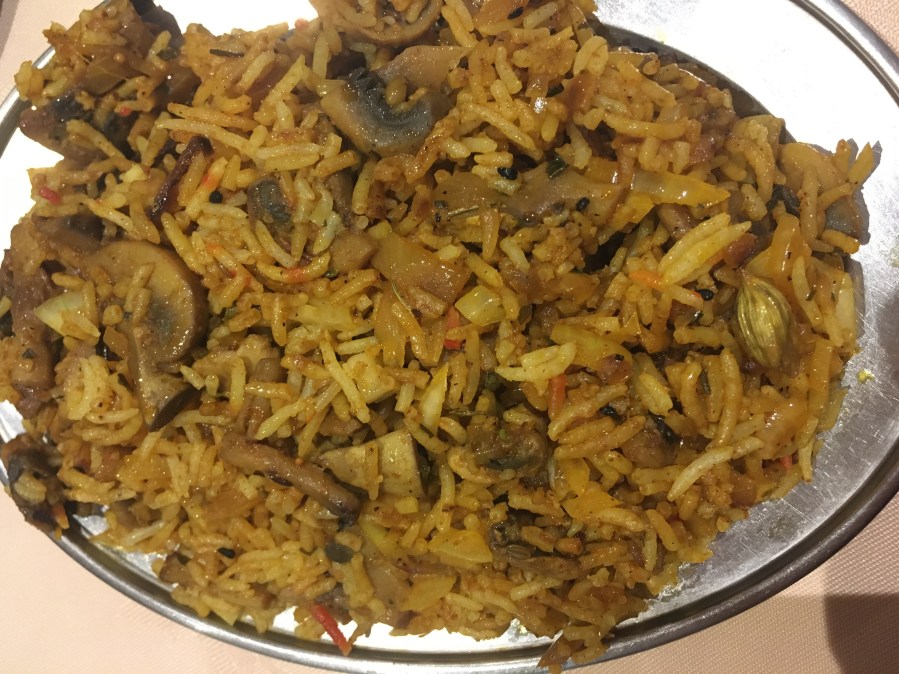
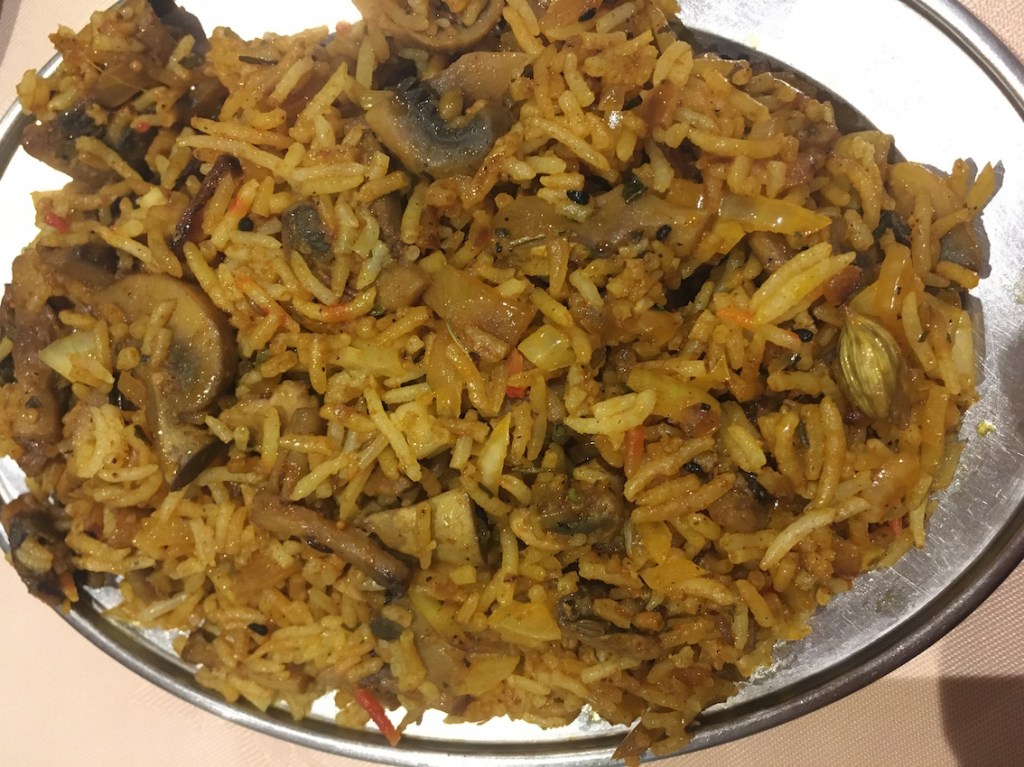
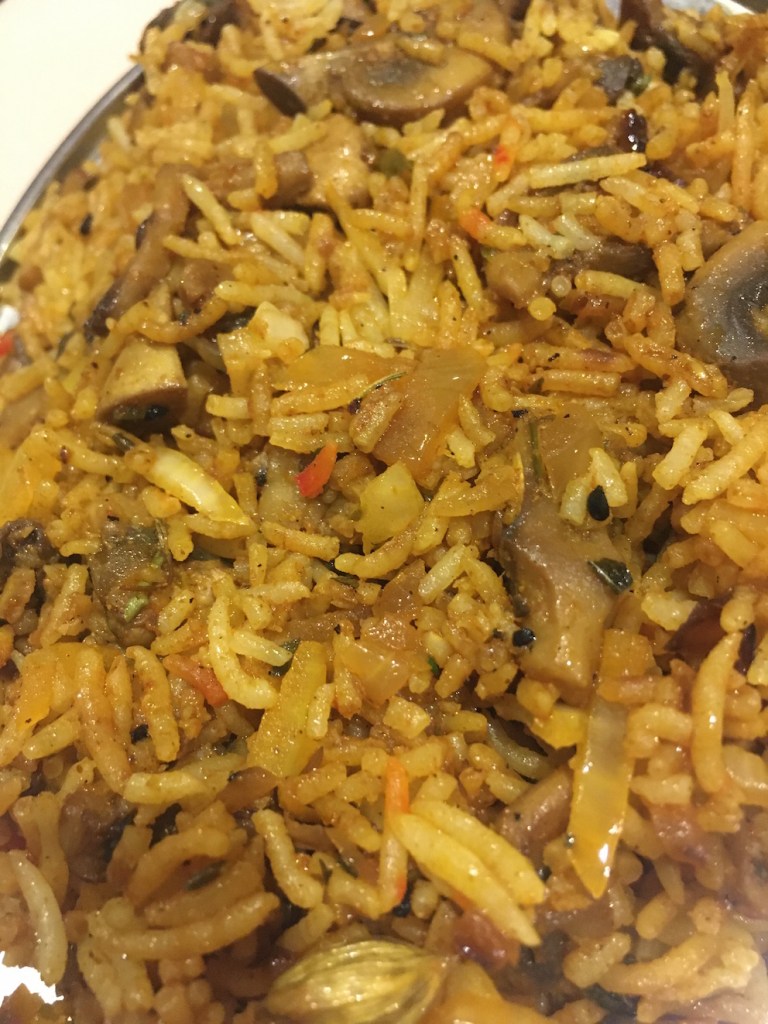
How to cook… Mushroom Pilau

Makes enough for 4

Mushroom Pilau Rice is a great accompaniment for people looking for rice that does more than just soaks up their curry. It’s easy to make and the pinch of turmeric adds a nice touch of colour

What you need…
• Large knob of butter
• 150g mushrooms, thinly sliced
• 2 Tablespoons oil
• 300g basmati rice
• 1 medium-sized onion, sliced
• Pinch of turmeric

Whole Spice Mix
• 3 cm long piece of cinnamon stick
• 1 tsp cumin seeds
• 3 cardamom seeds, cracked but still kept intact
• 2 bay leaves


How to make it
1. Wash the rice to remove the starch, then leave to soak in water for 30 minutes. Drain in a colander.
2. Heat the butter in a pan and gently fry the mushrooms until they are soft and darken in colour (about 4–5 minutes). Set aside.
3. Heat the oil in a pan and fry the onion until it starts to brown (about 3-5 minutes). Remove and set aside a few of the darker pieces to use as garnish.
4. Add in the Whole Spice Mix until the spices release their aromas (about 30 seconds). Make sure they do not burn.
5. Add 300ml water to the pan, add the pinch of turmeric, cover the pan and bring to the boil. * Be extremely careful when adding the water to the pan with the hot oil.
6. Add the rice and stir. Simmer until  the rice is half-cooked and the water has almost evaporated (about 4-5 minutes).
7. Gently fluff up the rice with a fork, cover with lid and allow it to steam in the pan on the lowest heat possible until fully cooked (a few minutes). Be careful not to let it burn.
8. Mix in the mushrooms and serve.

CHEF’S TIP
If you are using large mushrooms you may need to cut the slices in half as the pieces should not be too large.


Mushroom Pilau is is a tasty and colourful accompaniment.

If you like this you should try our
Sag PaneerChilli PaneerButter ChickenButter PaneerPrawn KormaMedium Chicken CurryChicken MadrasChicken VindalooChicken BhoonaChicken Dopiaza

Don’t worry. Just wrap up your troubles.

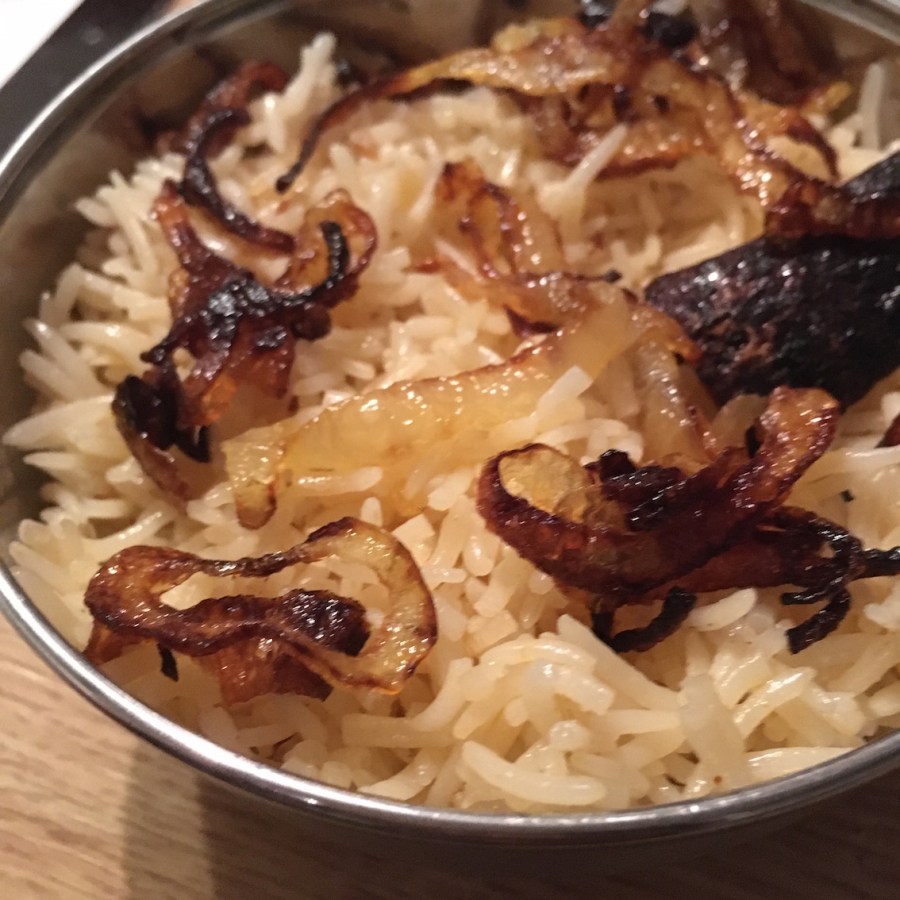
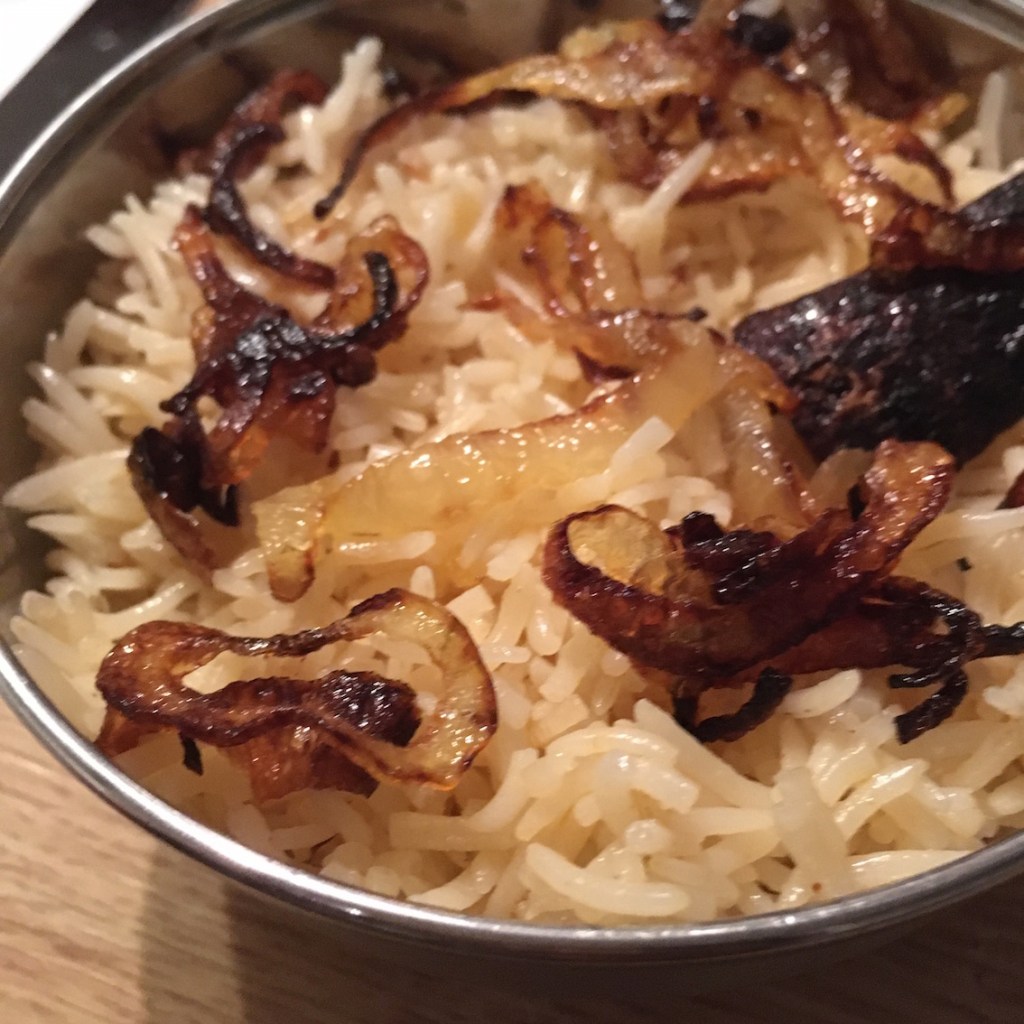
How to cook… Pilau Rice

Serves 4

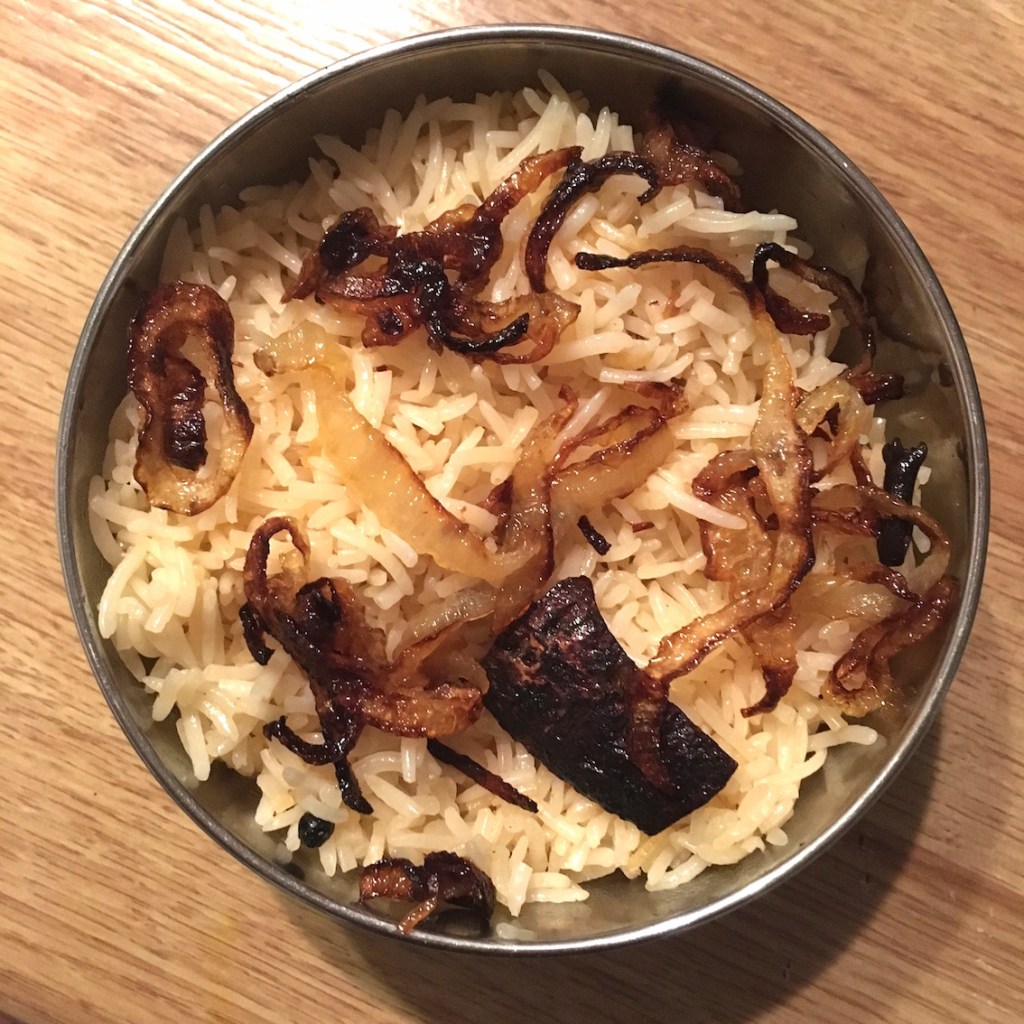
Pilau Rice is go-to order for most people as an accompaniment for their curry. It’s easy to make restaurant-style rice by adding some onions and spices to the rice. It’s nice topped off with some browned, fried onions.

What you need
• 2 Tablespoons oil
• 300g basmati rice
• 1 medium-sized onion, sliced

Whole Spice Mix
• 3 cm long piece of cinnamon stick
• 1 tsp cumin seeds
• 3 cardamom seeds, cracked but still kept intact
• 2 bay leaves


How you make it
1. Wash the rice to remove the starch, then leave to soak in water for 30 minutes. Drain in a colander.
2. Heat the oil in a pan and fry the onion until it starts to brown (about 3-5 minutes). Remove and set aside a few of the darker pieces to use as garnish.
3. Add in the Whole Spice Mix until the spices release their aromas (about 30 seconds). Make sure they do not burn.
4. Add 300ml water to the pan, cover the pan and bring to the boil. * Be extremely careful when adding the water to the pan with the hot oil.
5. Add the rice and stir. Simmer until  the rice is half-cooked and the water has almost evaporated (about 4-5 minutes).
6. Gently fluff up the rice with a fork, cover with lid and allow it to steam in the pan on the lowest heat possible until fully cooked (a few minutes). Be careful not to let it burn.
7. Garnish with the fried onion and serve.

CHEF’S TIP
You can remove the whole spices if you want but it’s leaving them in adds to the appearance of the rice.

If you like this you should try our
Medium Chicken CurryChicken MadrasChicken VindalooChicken BhoonaChicken Feet Curry (Africa)

Don’t hurry this dish. It’s not a rice to the finish.

How to cook… Prawn Phall

Serves 4 as a main dish

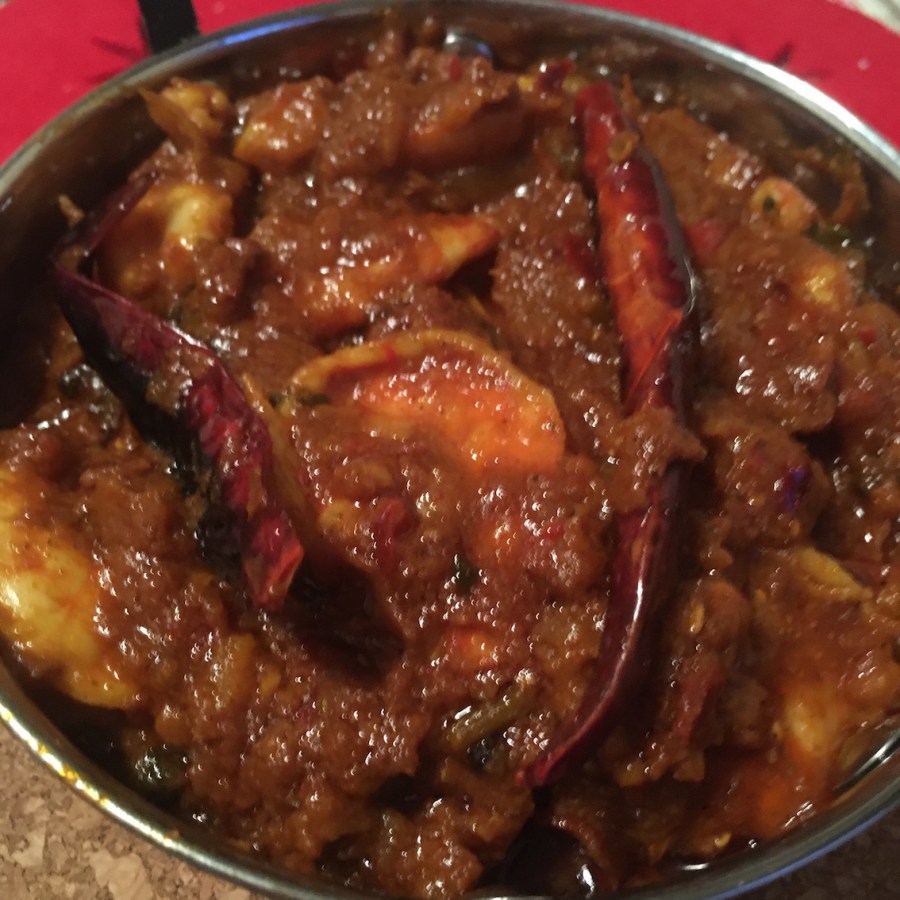
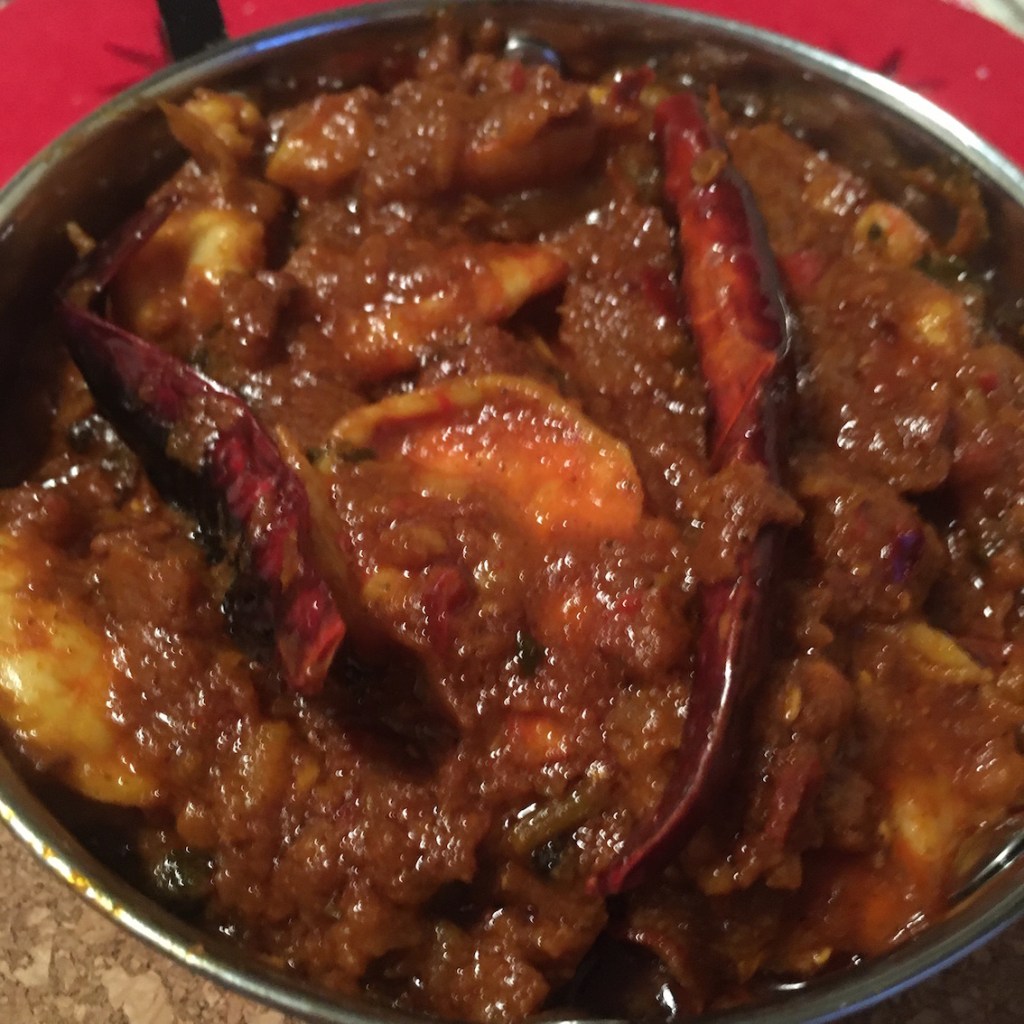
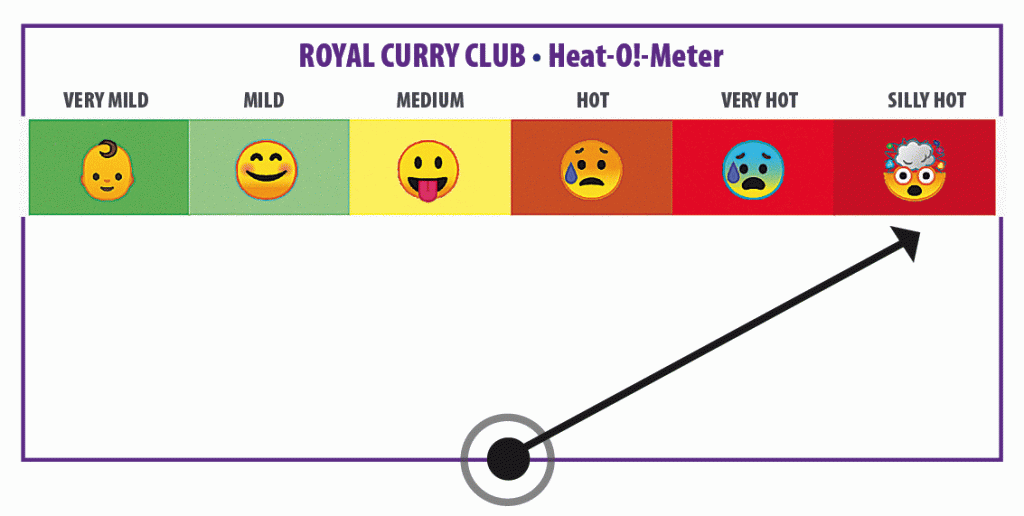
The Phall is the hottest curry you’ll find in most restaurants and many do not even put it on their menu. Prawn Phall is great because the shellfish really soaks up the hot juices. Well, you wanted hot didn’t you?

What you need…
• Small knob of butter
• 800g prawns, shelled and deveined
• 2 Tablespoons ghee
• 1 Tablespoon black peppercorns
• 3 dried red chillies
• 1 teaspoon garlic paste
• 600ml Base Curry Sauce
• 2 Tablespoons tomato ketchup
• 1 Tablespoon garam masala
• Salt to taste

Spice Mix
• 1 Tablespoon mild curry powder
• 2 Tablespoons chopped chilli pickle
• 4 teaspoons chilli powder


How to make it…
1. Heat the butter to a medium heat. While it is heating up mix the Spice Mix with the vinegar and enough water to form a sloppy paste.
2. Add the prawns to the butter and stir fry until they are pink. This should take about 2 minutes. Remove the prawns from the pan and set aside.
3. Heat the ghee to a high heat. While it is heating up mix the Spice Mix with enough water to form a sloppy paste.
4. Add the peppercorns and chillies and fry for 15 seconds. They should sizzle immediately. You can test the ghee is hot enough by adding one peppercorn.
5. Add the garlic paste and cook for 1 minute on a lower heat. You may have to remove the pan from the heat initially to stop the paste burning. (If it burns then throw it away and start again.)
6. Add the Spice Mix and cook for 2 minutes. It should now be thick and gloopy.
7. Add the Base Curry Sauce and the tomato and cook for 2 minutes.
8. Add the garam masala, salt and cook for 5 minutes.
9. Add the prawns and continue cooking until they are warmed though and fully cooked (about 3–4 minutes)..

CHEF’S TIP
Avoid water when eating a phall. Try a lassi instead as it’ll cool your mouth better.

If you like this you should try our
Sag PaneerChilli PaneerButter ChickenButter PaneerPrawn KormaMedium Chicken CurryChicken MadrasChicken VindalooChicken BhoonaChicken DopiazaAmbot Tik

Heard someone they can eat these easily? It’s a phallacy.

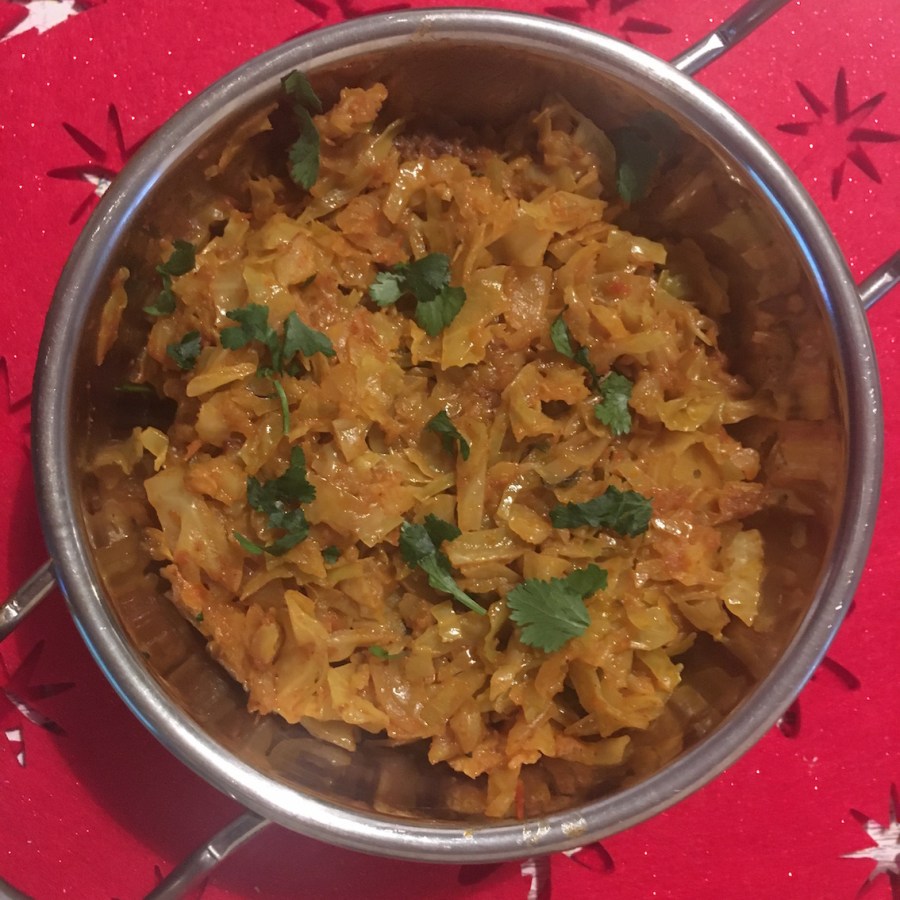
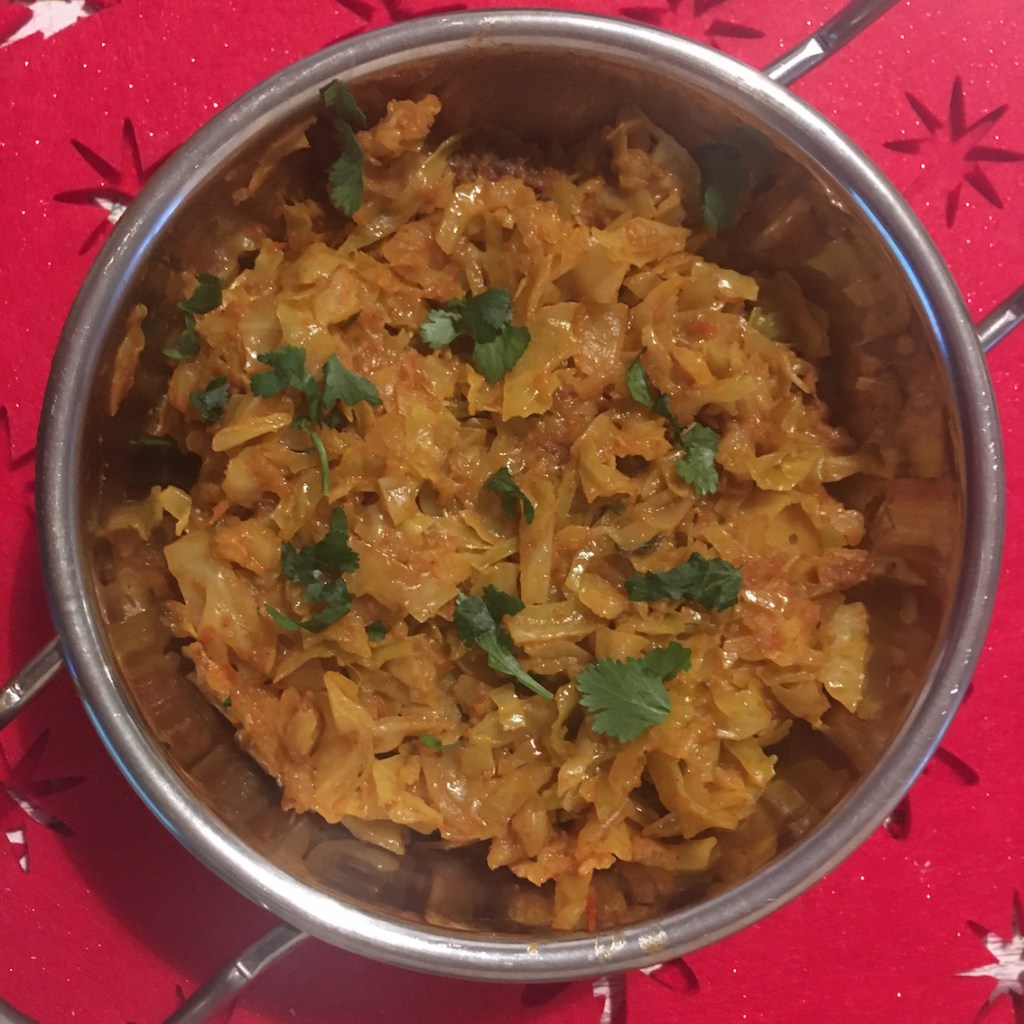
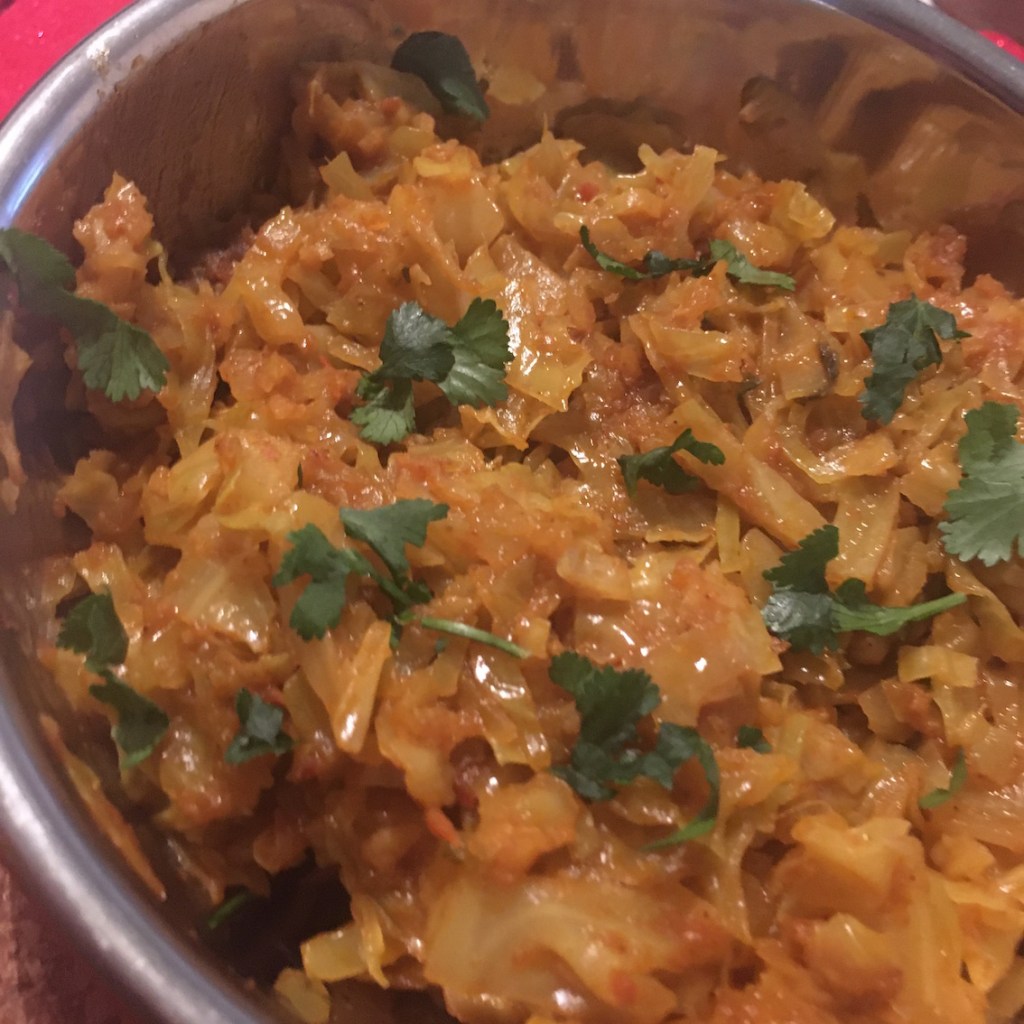
How to make… Cabbage Curry

Serves 4 as a side dish

Although not the first ingredient that springs to mind when making, cabbage works well with spices. This dryish Cabbage Curry, slow-cooked with potatoes, is a recipe from Mauritius. It makes an excellent side dish.


What you need
• 1 Tablespoon oil
• 1 teaspoon garlic paste
• 1 teaspoon ginger paste
• 2 teaspoon curry powder
• 1 teaspoon chilli flakes
• 0.5 teaspoon coriander powder
• 0.5 cabbage, shredded
• 1 large potato, peeled and chopped into chunks of about 3–4cm in size
• 100ml water
• Salt to taste
• 1 Tablespoon tomato paste
• A few coriander leaves, torn, to garnish

How you make it
1. Heat the oil to a medium-hot heat and fry the garlic and ginger pastes for 1 minute.
2. Add the curry powder, chilli flakes and coriander powder and fry for 3 minutes. Add a tiny splash of water if need to avoid it sticking.
3. Add the cabbage and fry for a few moments then add the water and potato. Cook, covered, for 35 minutes.
4. Add the salt and tomato paste, mix well, and cook covered until the water has all evaporated and the potato is soft (about 5-10 minutes).
5. Garnish with the coriander leaves and serve.

CHEF’S TIP
This Cabbage Curry is best served with rotis.

If you like this you should try our
Medium Chicken CurryChicken MadrasChicken VindalooChicken BhoonaChicken Feet Curry (Africa)

You can try many curries but none of them will be a patch on this.

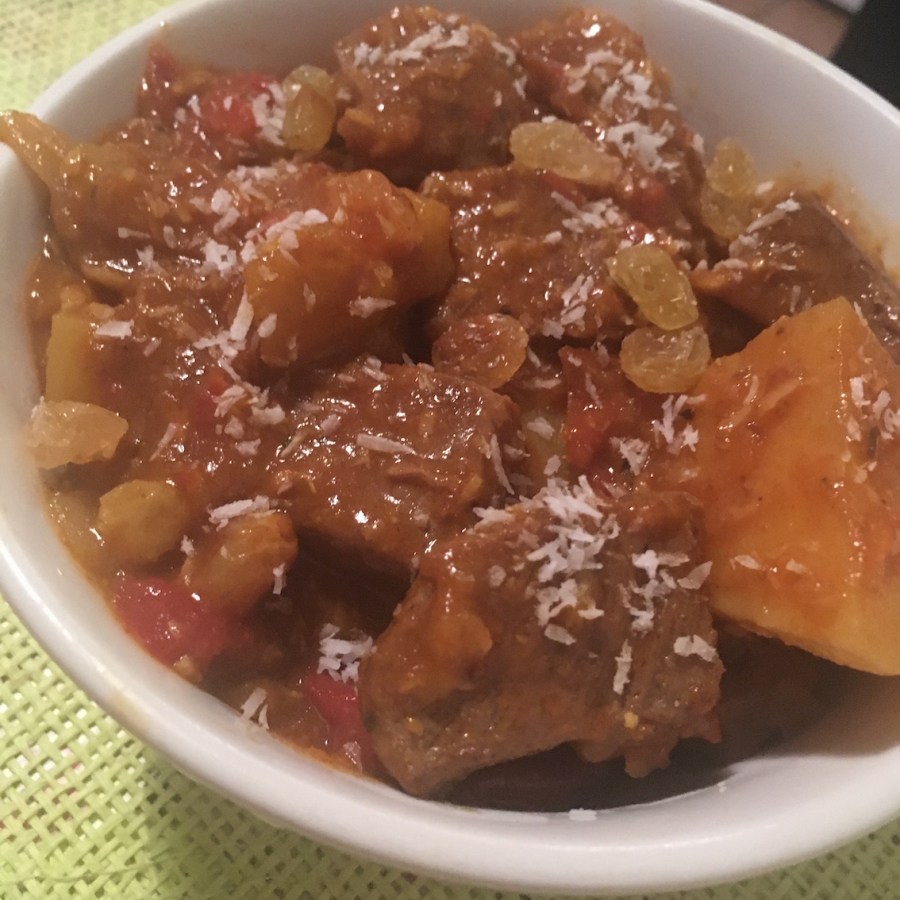
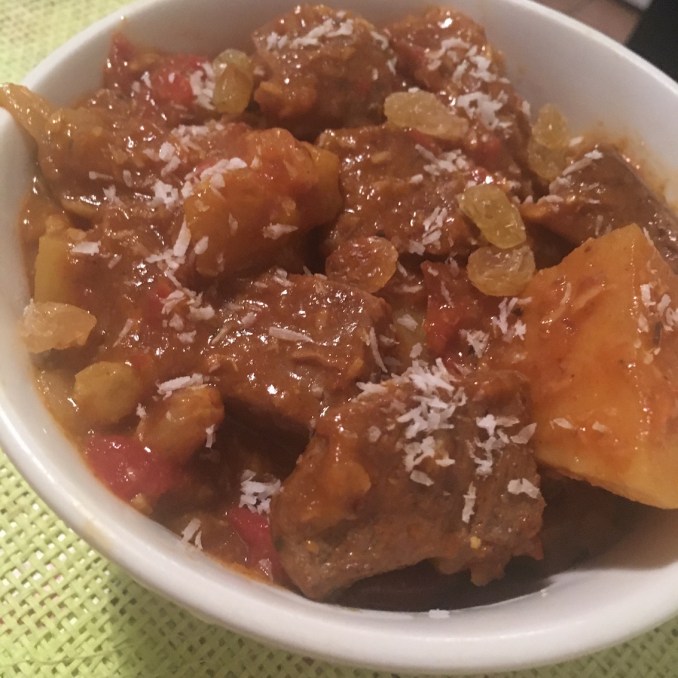
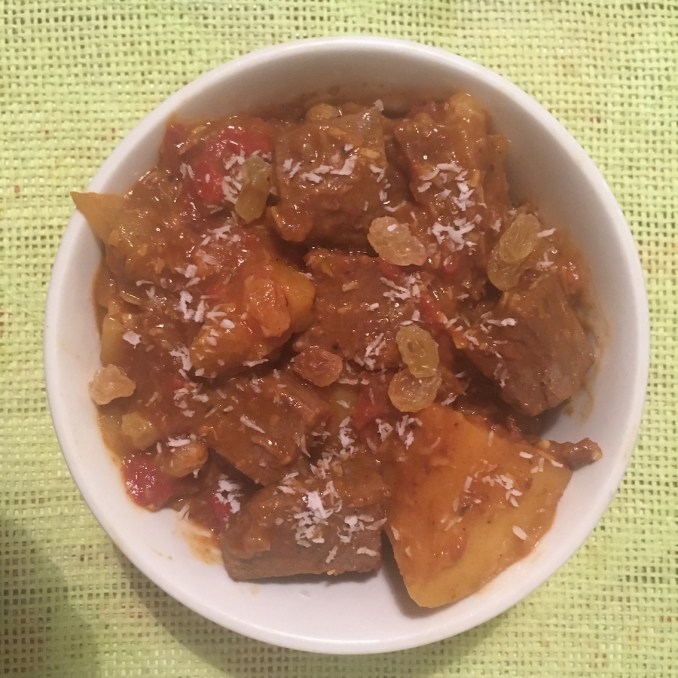
How to cook… Grandma’s Beef Curry

Serves 4 as a main dish

This is a classic 1960s-style ‘curry’ just like British grandmas used to make. The first recipe for “Indian Currey” appeared in English cookbooks in the 18th century and the Hindoostane Coffee House, considered to be the nation’s first curry restaurant, opened in London in 1810. But it’s unlikely the average British households had many spices in their cupboard till many years after that. When they did bravely venture into the world of Indian cooking it’s likely to have been a generic curry powder that found its way to a place next to the more common staples. Adventurous grandmas would have simply added a couple of spoonfuls of this spice mix to a beef stew along with other exotic (at the time) ingredients such as coconut, sultanas and chutney for sweetness. Hey presto! Grandma’s Beef Curry. Of course, beef is not found in too many parts of India, but that would have escaped many of these cooks. Just adding the curry powder was enough at this stage.
What you need…
• 600g stewing beef, cut into bite-sized pieces
• 2 Tablespoons flour
• 1 Tablespoon oil
• 1 large knob of butter
• 1 cooking apple (or 2 Granny Smith apples), peeled and cored, and cut into chunks of about 1.5cm
• 2 onions, chopped
• 2 tablespoons cornflour, mixed with water to make a thin paste
• 2 Tablespoons curry powder
• 2 tomatoes, chopped
• 400ml beef stock
• 1 Tablespoon brown sauce
• Salt to taste
• Pepper to taste
• 2 medium-sized potatoes, peeled and cut into chunks of about 4cm
• 1 Tablespoon desiccated coconut
• 2 Tablespoons sultanas
• 1 Tablespoon sweet chutney (optional)


How to make it
1. Heat the oil to a medium-high heat in a pan. While it is heating coat the beef in flour. Once the pan is ready add the beef and cook until all the pieces are sealed (about 4–5 minutes). Remove the beef from the pan and set aside.
2. Turn down the heat and add the butter. Once it’s melted add the onion and apple and cook gently until everything has softened (about 8 minutes).
3. Add the cornflour mix and curry powder and keep stirring for 3 minutes. Add a splash of water to stop it sticking if needed.
4. Add the beef (with any juices), tomatoes, stock, brown sauce, salt, pepper and potatoes and mix well. Cover the pan and cook for on a low heat for 1 hour, stirring occasionally.
5. Add the coconut, sultanas and chutney, mix well and continue cooking, uncovered for 10 minutes. The beef should be soft and the ‘curry’ thickened.
6. Add a sprinkle of coconut and a few sultanas to garnish and serve.

CHEF’S TIP
This is what many people in Britain would have experienced as their first taste of a curry. Don’t temped to add more spices.
Grandma’s Beef Curry would have been seen as exotic in many British households in the 1960s.

If you like this you should try our
Ambot TikChilli ChickenChilli PaneerButter ChickenMedium Chicken CurryChicken MadrasChicken Vindaloo Restaurant-style)Chicken BhoonaChicken Recheade

Check out 5 Best Goa Curries

What do you sing after getting served this dish. “Grandma, I love you!”

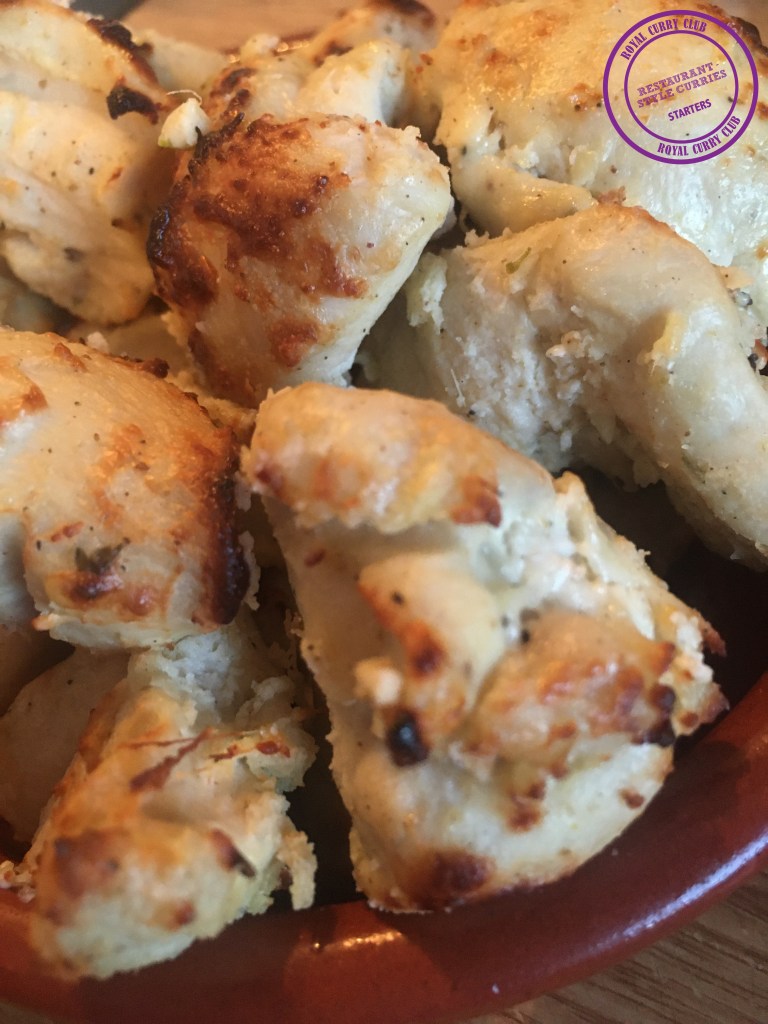
How to cook… Malai Tikka

Serves 4 as a starter

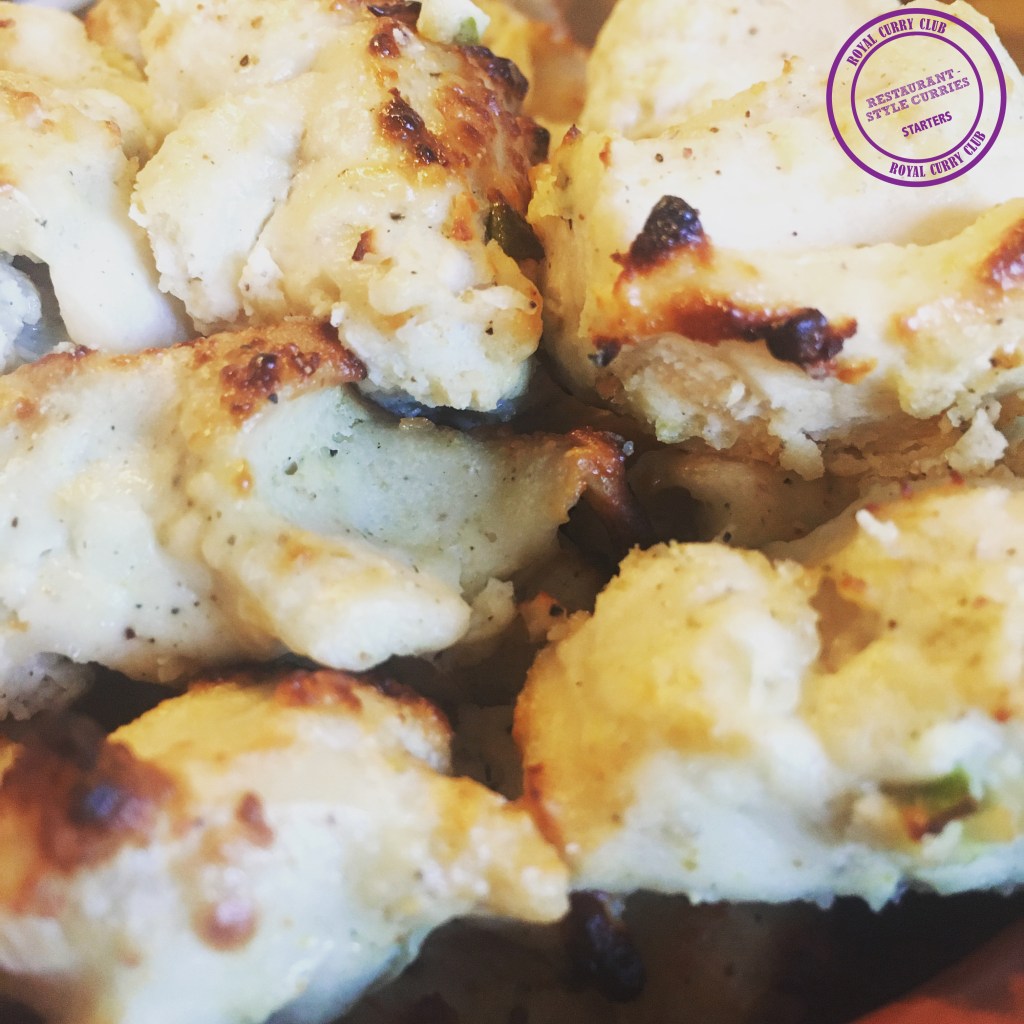
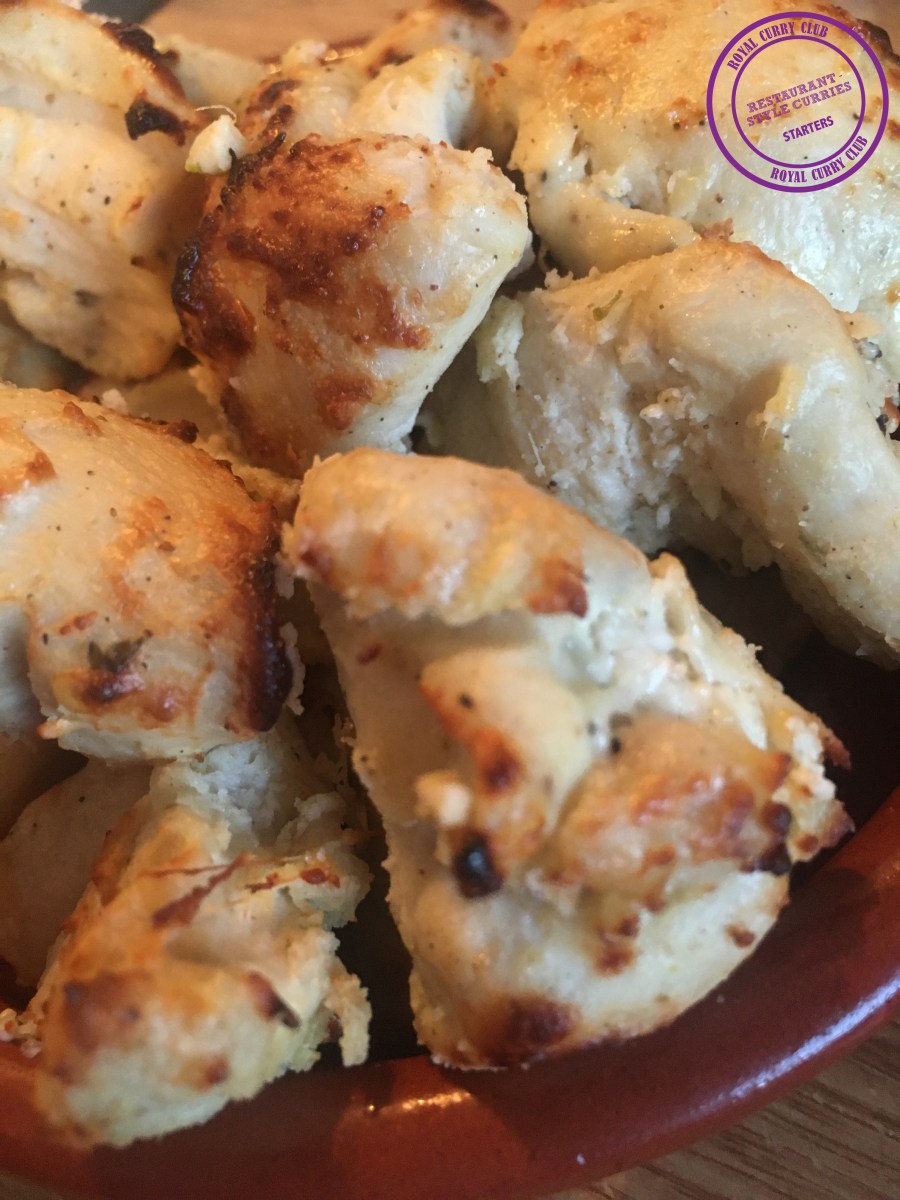
Because the red-coloured Chicken Tikka is famous the world over its lesser-known cousin Malai Tikka often gets overlooked. But this paler tikka, marinated in cottage cheese, cream and handful of spices, is perfect for milder tastes while still providing that trademark tandoori taste. It makes a great starter to get the evening underway when you have ordered a hot, spicy main curry.

What you need
• 400g chicken, cut into bite-sized pieces
• 3 Tablespoons lemon juice

Marinade
• 100g cream cheese
• 200g cream
• 1 teaspoon garlic powder
• 1 teaspoon ginger paste
• 1 green chilli, finely chopped
• 1 Tablespoon coriander, chopped
• 0.25 cardamom powder
• 0.25 clove powder

How you make it
1. Squeeze the lemon over the chicken, rub it in well and leave for 15 minutes. This will degrease the chicken and also helps the chicken absorb the marinade.
2. Shake off the excess lemon and coat the pieces in the marinade. Leave for at least 15 minutes but preferably 12 hours.
3. Preheat your oven to 170 ºC. Place the pieces on a baking tray, ensuring all the pieces are kept well apart and cook for 15 minutes, turning once. Check one of the largest pieces to ensure it’s cooked. If not return to the oven.
4. Serve with pickles, chutneys and salads.

CHEF’S TIP
To achieve the blackened edges you get in the tandoor turn up the grill to a high heat while the chicken is in the over and cook in the grill for the last 2 minutes.

If you like this you should try our
Medium Chicken CurryChicken MadrasChicken VindalooChicken BhoonaChicken Feet Curry (Africa)

This is one of my favourite starters. Would malai to you?