How to cook… Jeera Chicken

Serves 4 as a starter
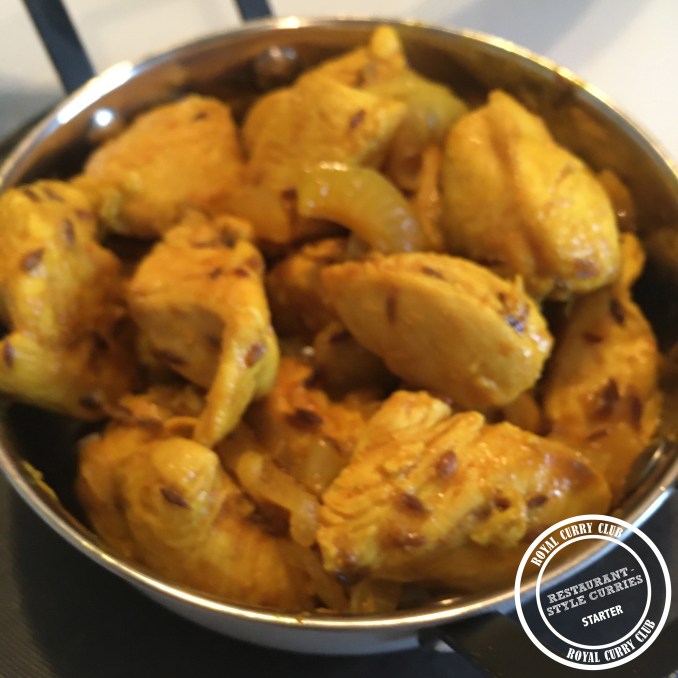
Jeera Chicken (chicken cooked with cumin) is a simple and quick dish to cook so it makes an ideal starter or snack. It’s a dry dish, cooked in only its own juices and a small amount of oil and water and has a lovely golden colour from the turmeric. It’s delicious when served with chutneys and a bit of salad.

What you need…
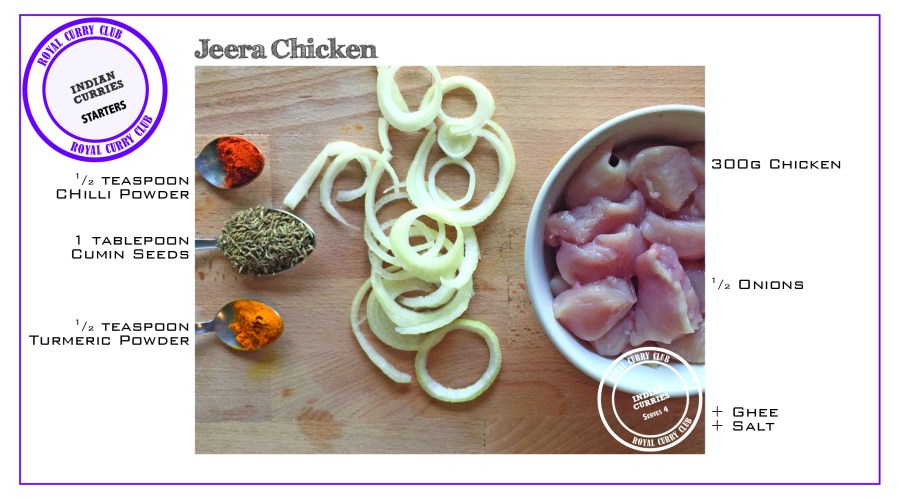
• 1 Tablespoon ghee
• 1 Tablespoon cumin seeds
• 300g chicken, cut into small bite-size chunks (the chunks should be a bit smaller than the ones you use for main dishes)
• 0.5 onion sliced
• 1 Tablespoon water
• salt to taste

Spice Mix
• 0.5 teaspoon turmeric powder
• 0.5 teaspoon chilli powder

How to make it…
1. Heat the ghee to a high heat. While it is heating up mix the Spice Mix with enough water to form a sloppy paste.
2. Add the cumin seeds to the pan and fry for 15 seconds. They should sizzle immediately. You can test the ghee is hot enough by adding one seed.
3. Add the Spice Mix and cook for 2 minutes. It should now be thick and gloopy.
4. Add the chicken and stir fry for five minutes, ensuring all the pieces are nicely coated in the spices. Keep stirring as it will be very dry. Add the water if needed but keep it as dry as you can.
5. Add the onion and salt and continue stir frying until the chicken is fully cooked.
6. Serve with chutneys and salad.

CHEF’S TIP
Jeera Chicken also makes an excellent main dish for people who like dry dishes. Simply double the quantities shown above..
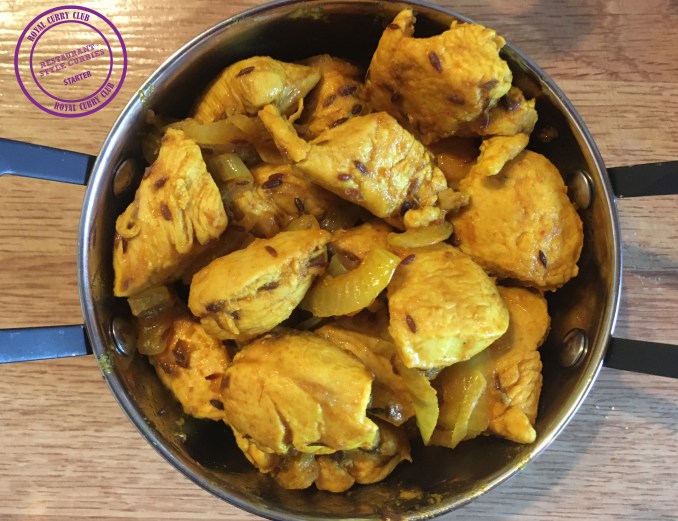
Lighly spiced, Jeera Chicken is a quick and simple dish to make.

If you like this you should try our…
Medium Chicken Curry • Chicken Madras • Chicken Vindaloo • Chicken Bhoona
This guy who comes into our local restaurant is always being rude. One day the waiter had had enough and tipped a bowl of curry over his head. He never saw that cumin.

How to cook… Dal Makhani

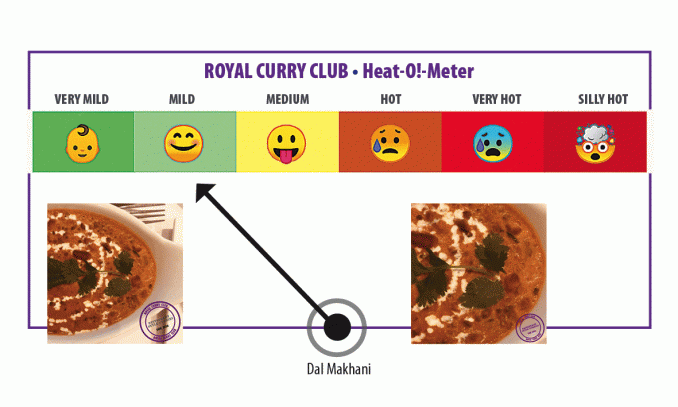
Serves 4 as a side dish

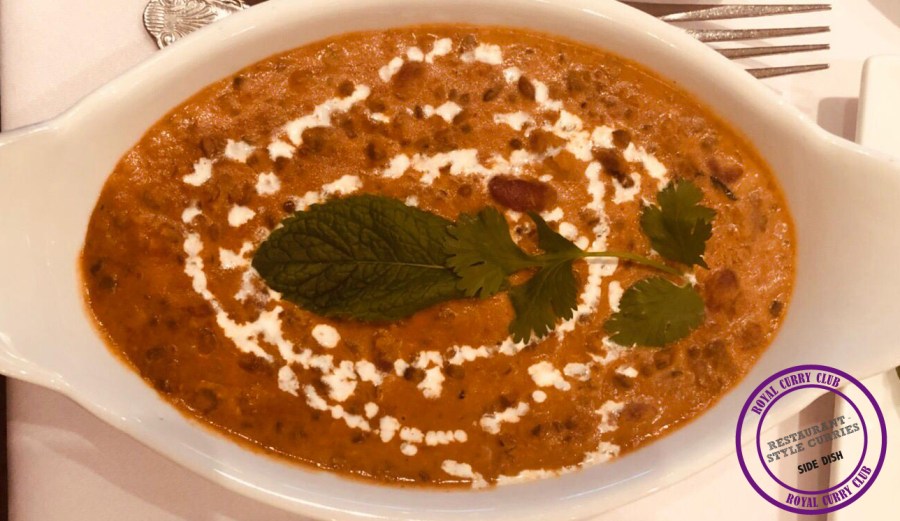
Dal Makani is a superbly rich dish, packed so full of energy that it’s been dubbed the marching food of the troops heading into battles. Preparation and patience are the key to this dish as the lentils have to be soaked for hours and then cooked until soft. But you’ll be rewarded with a luxurious dish of spices, ghee, cream and butter.

What you need…
• 150g whole urad dhal (black lentils)
• 50g rajma (red kidney beans)
• 50g chana dhal
• 0.5 teaspoon salt
• 2 Tablespoons ghee
• 1 teaspoon cumin seeds
• 0.5 teaspoon fenugreek seed
• 1 teaspoon garlic paste
• 1 teaspoon ginger paste
• 100g tomato puree
• 30g cream

Spice Mix
• 0.5 teaspoon garam masala
• 1 teaspoon chilli powder

How to make it…
1. Wash all the lentils (urad, rajma and chana dhal) in water. You will need to rinse through them a few times until the milkiness clears. Now soak them for at least six hours or preferably overnight.
2. Boil the lentils in fresh water with the salt. Simmer on low heat until lentils are well cooked and soft. This will take three to four hours, although you could use a pressure cooker to speed up the process.
3. Drain off the excess water and mesh the lentils lightly. If they are not soft enough you will need to cook them for longer.
4. Mix the Spice Mix with enough water to create a sloppy paste.
5. Heat the ghee in a pan until hot. Add the cumin seeds and fenugreek seeds and stir fry for 15 seconds. They should sizzle immediately. You can test the ghee is hot enough by adding one seed.
6. Add garlic and ginger and fry for 1 minute on a lower heat. You may have to remove the pan from the heat initially to stop it burning. (If it burns then throw it away and start again.)
7. Add Spice Mix and tomato puree and stir for 1 minute.
8. Add the cooked dal, 1 Tablespoon of butter and the cream (keep a tiny bit back for the garnish) mix well and warm though. The dal should be the consistency of a thick but pourable soup. Add hot water to achieve this consistency if needed.
9. Serve with a swirl of cream as garnish and the rest of the butter in the middle (this will quickly melt).
• Recipe and photos courtesy of Gurkha’s Inn, Greenwich.

CHEF’S TIP
Dal Makhani is delicious spooned over white rice or mopped up with a nan bread.
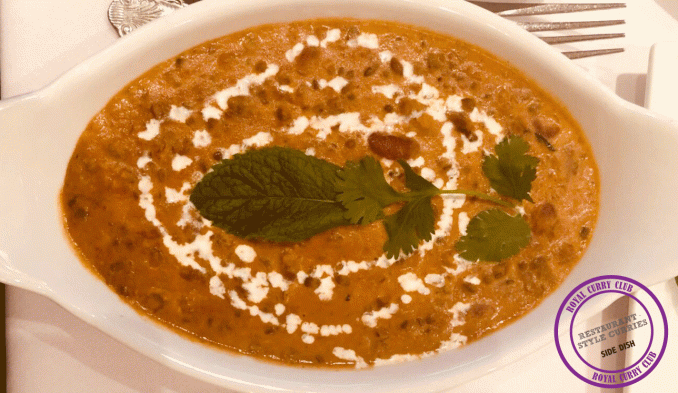
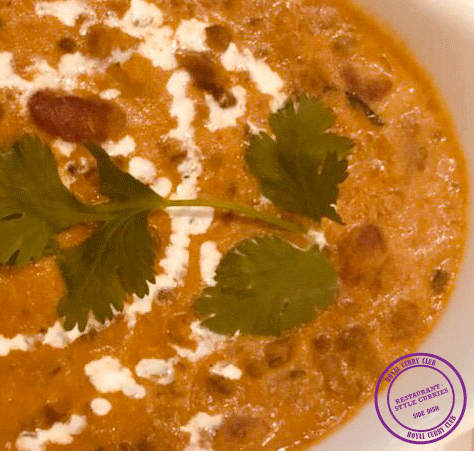
Dal Makhani, creamy and delicious.

If you like this you should try our…
Lamb Madras • Chilli Paneer • Sag Paneer • Muttar Paneer • Prawn Madras • Prawn Rogan • Prawn Vindaloo • Prawn Dopiaza • Medium Chicken Curry • Chicken Madras • Chicken Vindaloo • Chicken Bhoona • Butter Chicken • Chicken Dopiaza • Mushroom Bhajee
“Did you just ring me last night,” the waiter asked. “No, sorry, I pocket dalled you.

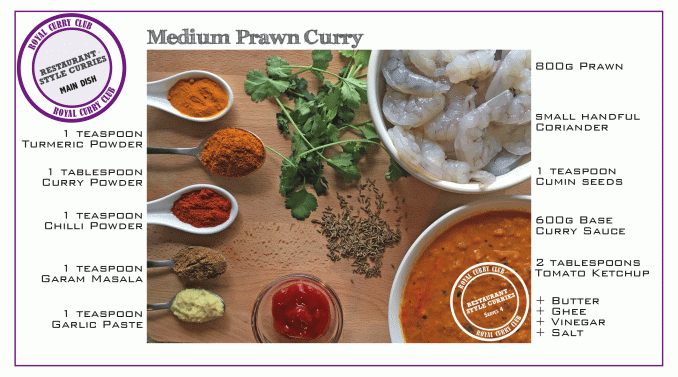
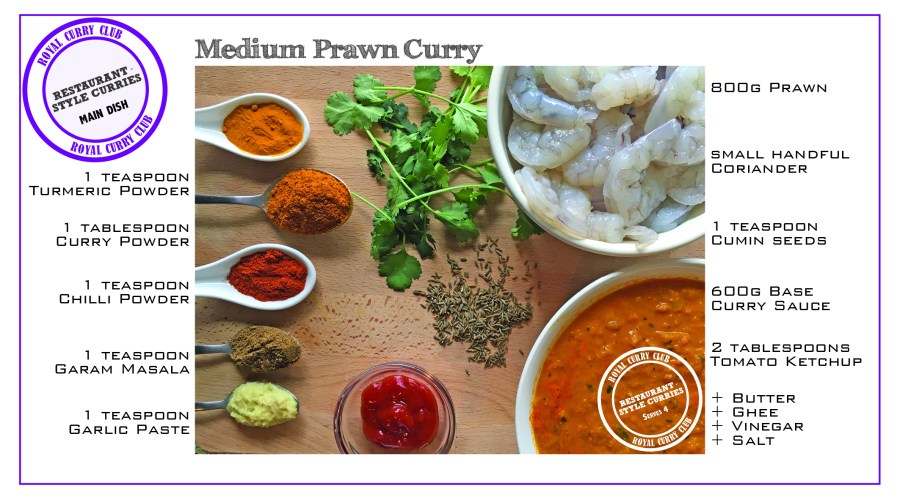
How to cook… Medium Prawn Curry

Serves 4 as a main dish

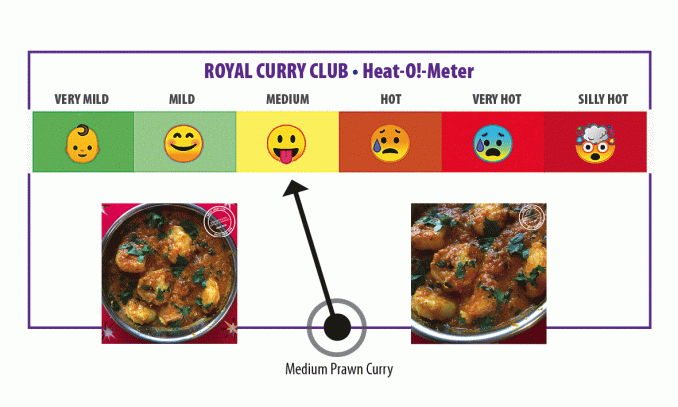
Shellfish lovers just can’t resist an Indian restaurant’s Prawn Curry. Take a good serving of your Base Curry Sauce, add some plump prawns, a bit of garlic and a sprinkle of spice for a great medium-strength curry. Garnish with fresh coriander.

What you need…
• small knob of butter
• 800g prawns, shelled and deveined
• 2 Tablespoons ghee
• 1 teaspoon cumin seeds
• 1 teaspoon garlic paste
• 600ml Base Curry Sauce
• 2 Tablespoons tomato ketchup
• small handful fresh coriander (chop up the stems to add to the curry and set aside the leaves for garnish)
• 1 teaspoon garam masala
• salt to taste

Spice Mix 1
• 1 Tablespoon mild curry powder
• 1 teaspoon turmeric powder
• 1 teaspoon chilli powder
• 1 teaspoon vinegar

How to make it…
1. Heat the butter to a medium heat. While it is heating up mix the Spice Mix with the vinegar and enough water to form a sloppy paste.
2. Add the prawns to the butter and stir fry until they are pink. This should take about 2 minutes. Remove the prawns from the pan and set aside.
3. Add the ghee to the pan and het to a high heat. Add the cumin seeds and fry for 10 seconds. They should sizzle immediately. You can test the ghee is hot enough by adding one seed.
4. Add the garlic paste and cook for 1 minute on a lower heat. You may have to remove the pan from the heat initially to stop the paste burning. (If it burns then throw it away and start again.)
5. Add the Spice Mix paste and cook for 2 minutes. It should now be thick and gloopy.
6. Add the Base Curry Sauce and the tomato ketchup and cook for 2 minutes.
7. Add the coriander stems, garam masala and salt, and cook until for 5 minutes.
8. Add the prawns and stir fry until the prawns are cooked.
9. Serve, garnished with the coriander leaves.

CHEF’S TIP
Always use fresh prawns instead of frozen when you can.
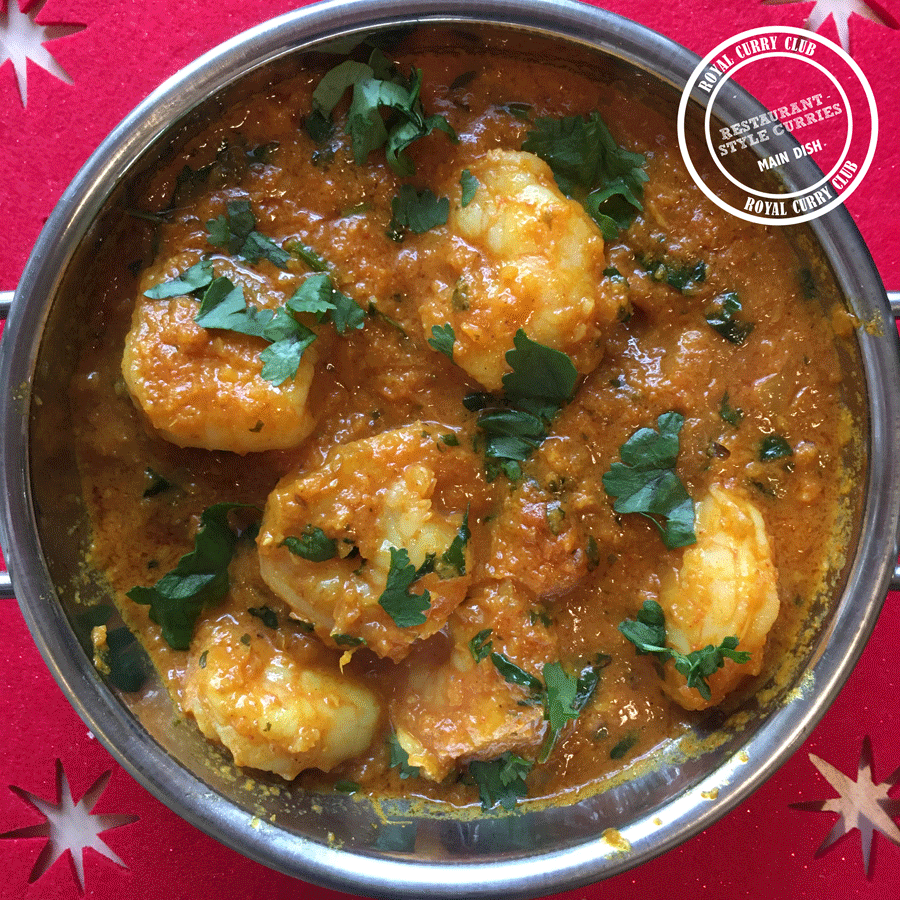
Prawn Curry, the classic choice for shellfish lovers.

If you like this you should try our…
Prawn Madras • Prawn Rogan • Prawn Vindaloo • Medium Chicken Curry • Chicken Madras • Chicken Vindaloo • Chicken Bhoona • Butter Chicken • Chicken Dopiaza
Never share your prawn curry. Just be shellfish.

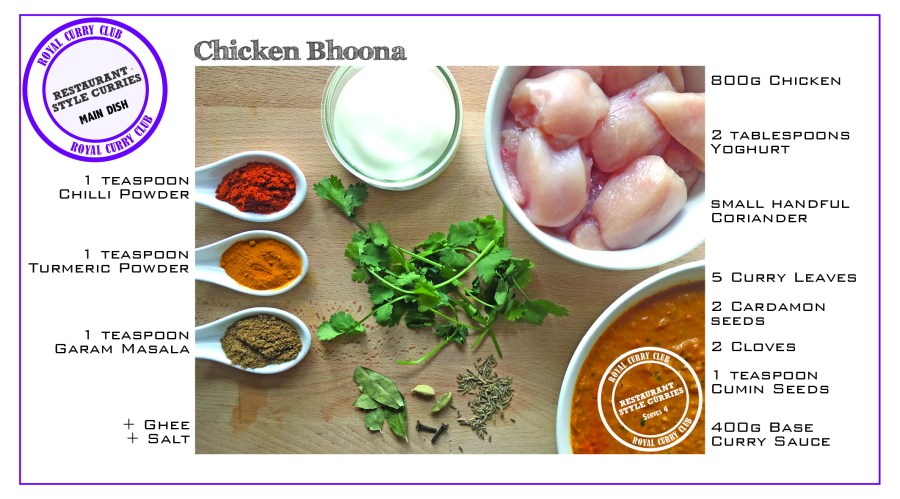
How to cook… Chicken Bhoona

Serves 4 as a main dish

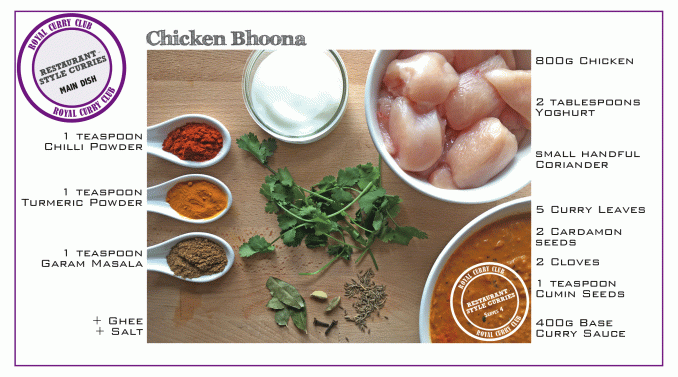
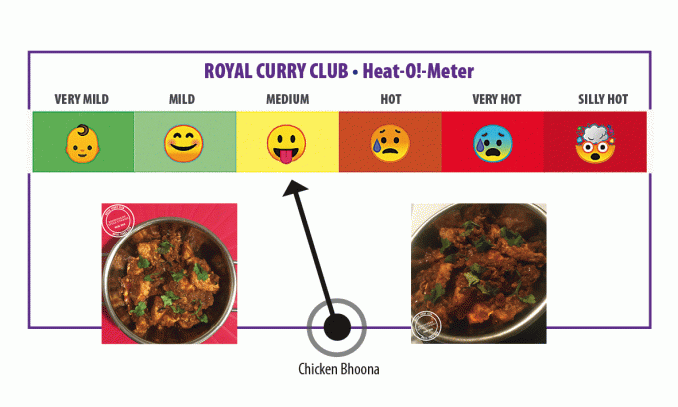
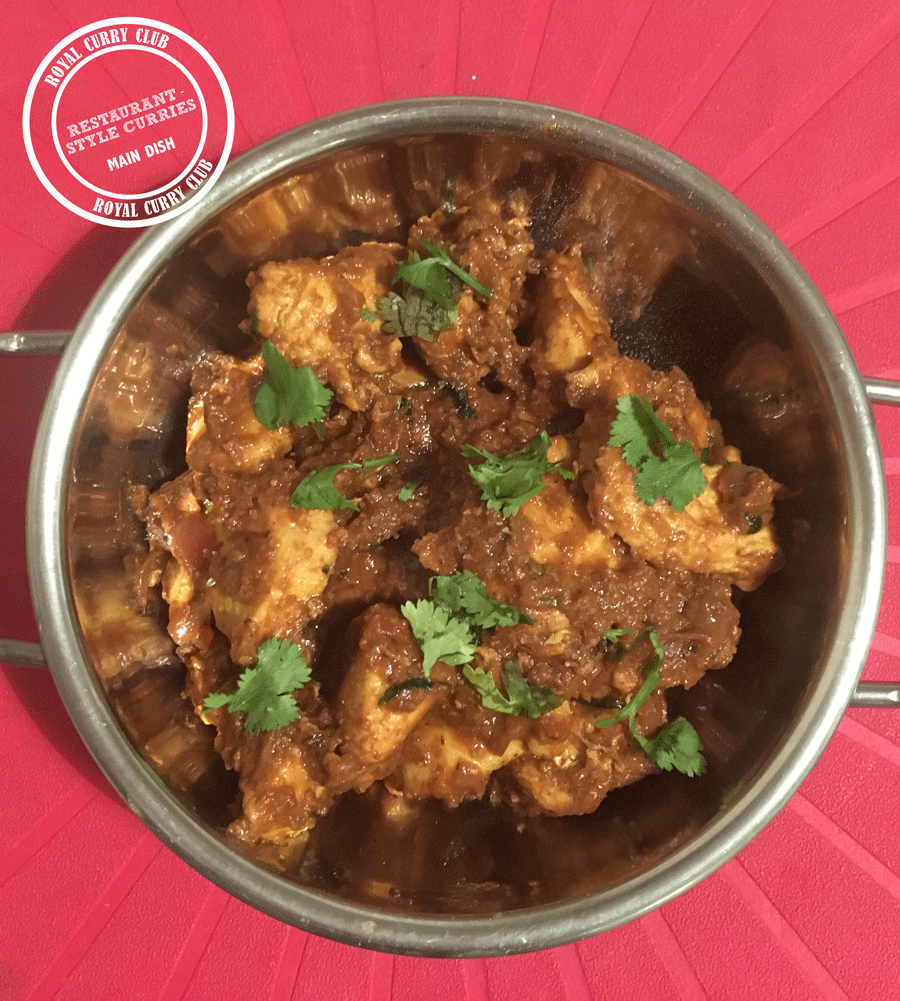
Bhoona is a dryish dish, with the chicken coated in the sauce rather than swimming in it. This is achieved by using less Base Curry Sauce and by cooking the sauce in batches to reduce and thicken it. The use of the whole spices produces an earthy and aromatic dish.

What you need…
• 2 Tablespoons ghee
• pinch turmeric powder
• 400ml Base Curry Sauce
• small handful fresh coriander (chop up the stems to add to the curry and set aside the leaves for garnish)
• 800g chicken, cut into bite-sized pieces
• 2 Tablespoons yoghurt
• salt to taste

Spice Mix 1
• 1 teaspoon turmeric powder
• 1 teaspoon chilli powder
• 1 teaspoon garam masala

Spice Mix 2
• 1 teaspoon cumin seeds
• 2 cardamon seeds, cracked open but not crushed
• 2 cloves
• 5 curry leaves

How to make it…
1. Heat 1 Tablespoon ghee to a medium heat and add a pinch of turmeric.
2. Now add the chicken and stir fry until all the chunks are sealed. This should take 2–3 minutes. Remove the chicken and set aside.
3. Heat the rest of the ghee to a high heat. Add the Spice Mix 2 and fry for 10 seconds. They should sizzle immediately. You can test the ghee is hot enough by adding one seed.
4. Now add a quarter of the Base Curry Sauce and stir fry until it thickens. This should take 3–5 minutes. Add another quarter of the sauce and repeat. When you add the last of the sauce also add Spice Mix 1, the coriander stems and salt. Stir fry until it thickens.
5. Add the chicken and mix well to ensure all the pieces of chicken are nicely coated in the sauce. Cook for 5 minutes.
6. Add the yoghurt and salt, mix well and stir fry until the chicken is cooked. Ensure the chicken pieces are coated in the sauce not swimming in it.
7. Serve, garnished with the coriander leaves.

CHEF’S TIP
If you don’t like whole spices in your finished curry you can put them in a little spice bag before dropping them in the ghee. You then remove the bag just before serving. If using the spice bag cook the spices in the ghee for an extra 5-10 seconds to ensure the flavours are released into the ghee.
Chicken Bhoona, the dry and aromatic dish, is an ideal and simple after-work curry.

If you like this you should try our…
Medium Chicken Curry • Chicken Madras • Chicken Vindaloo • Butter Chicken • Chicken Rogan • Chicken Tikka Masala • Chicken Dopiaza • Chicken Dhansak

This is the favourite of rock music fans, who love to belt out, “Bhoona to be Free”.

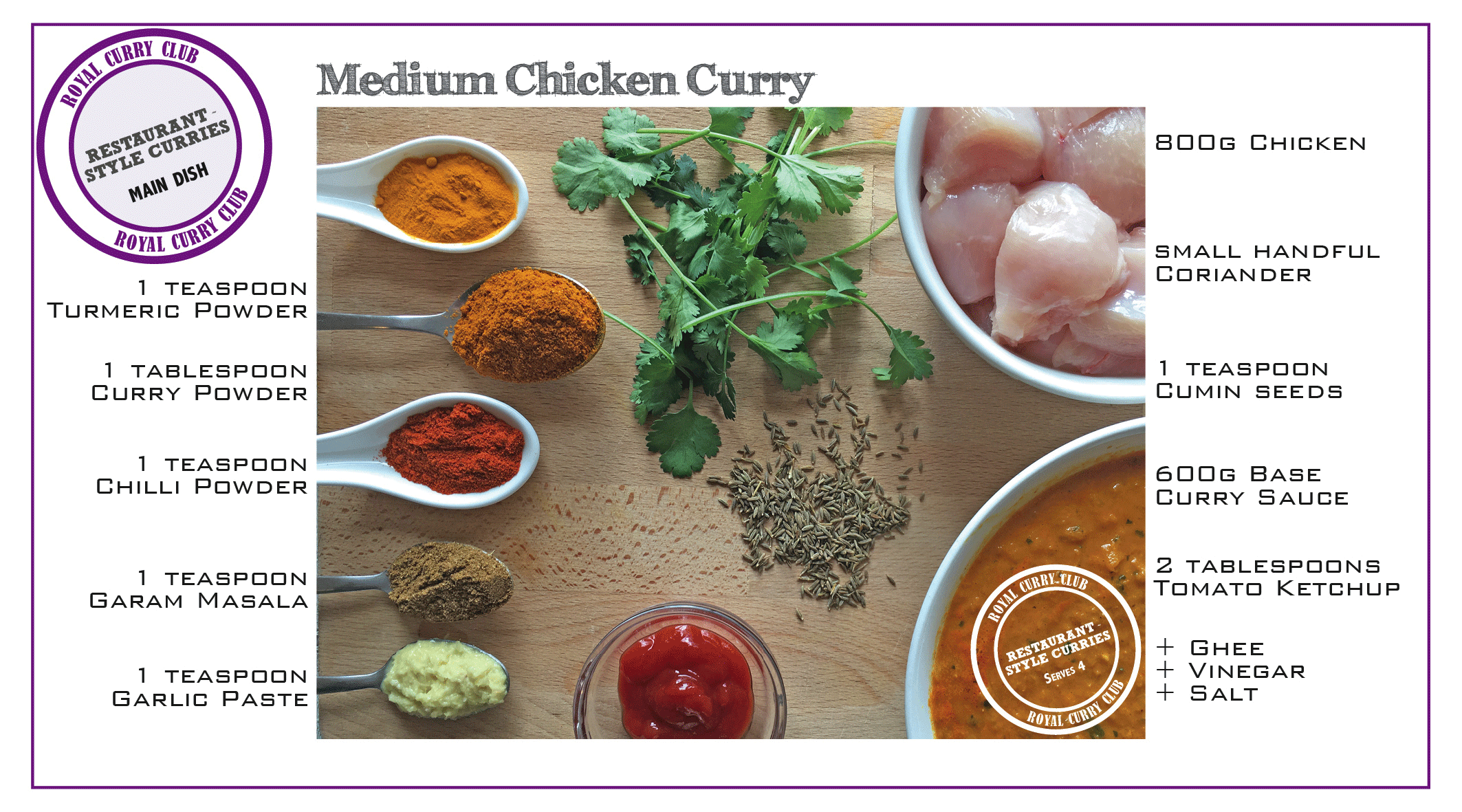
How to cook… Medium Chicken Curry

Serves 4 as a main dish

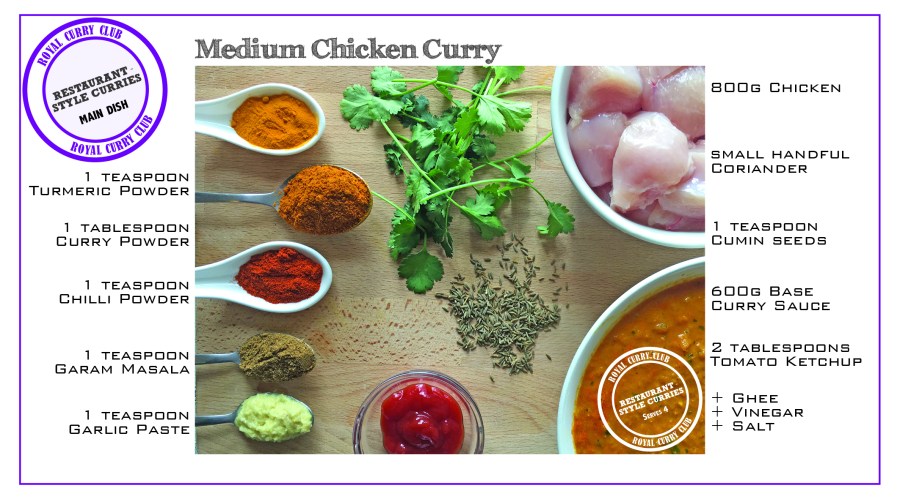
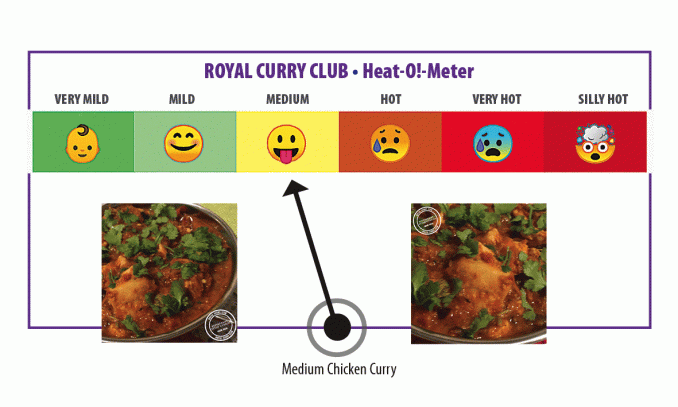
The staple of every Indian restaurant: the classic Chicken Curry. Take a good serving of your Base Curry Sauce, add some chicken, a bit of garlic and a sprinkle of spice for a great medium-strength curry. Garnish with fresh coriander.

What you need…
• 2 Tablespoons ghee
• 1 teaspoon cumin seeds
• 1 teaspoon garlic paste
• 600ml Base Curry Sauce
• 2 Tablespoons tomato ketchup
• small handful fresh coriander (chop up the stems to add to the curry and set aside the leaves for garnish)
• 800g chicken, cut into bite-sized pieces
• 1 teaspoon garam masala
• salt to taste

Spice Mix 1
• 1 Tablespoon mild curry powder
• 1 teaspoon turmeric powder
• 1 teaspoon chilli powder
• 1 teaspoon vinegar

How to make it…
1. Heat the ghee to a high heat. While it is heating up mix the Spice Mix with the vinegar and enough water to form a sloppy paste.
2. Add the cumin seeds and fry for 10 seconds. They should sizzle immediately. You can test the ghee is hot enough by adding one seed.
3. Add the garlic paste and cook for 1 minute on a lower heat. You may have to remove the pan from the heat initially to stop the paste burning. (If it burns then throw it away and start again.)
4. Add the Spice Mix and cook for 2 minutes. It should now be thick and gloopy.
5. Add the Base Curry Sauce and the tomato and cook for 2 minutes.
6. Add the chicken, mix well and cook for five minutes.
7. Add the garam masala, salt and coriander stems and continue cooking until the chicken is fully cooked.
8. Serve, garnished with the coriander leaves.

CHEF’S TIP
There’s loads of flavour in the stems of the coriander, so add them to the sauce when cooking and keep the leaves for garnish. To release the aroma from the leaves bruise them by gently rubbing them between your thumb and forefinger.
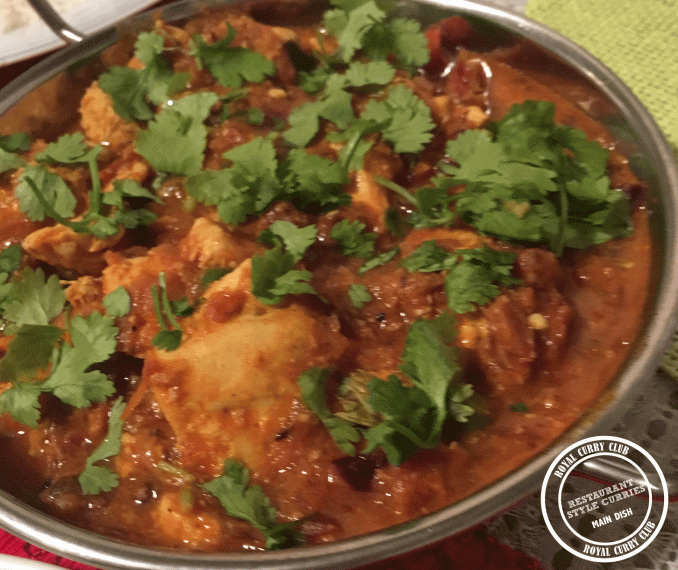
Chicken Curry, the staple dish of all Indian restaurants.

If you like this you should try our…
Chicken Madras • Chicken Vindaloo • Chicken Bhoona • Chicken Rogan • Chicken Tikka Masala • Prawn Rogan

Spice lovers are like Russians. They are always in a curry.

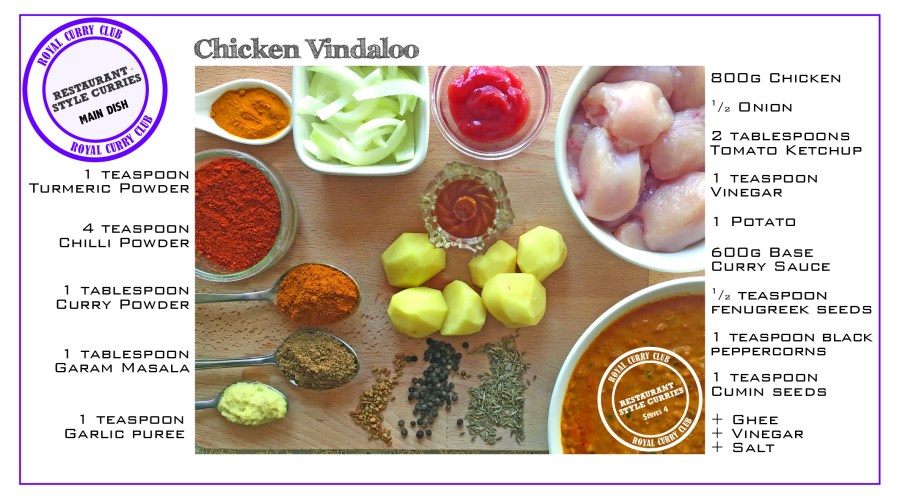
How to cook… Chicken Vindaloo

Serves 4 as main dish

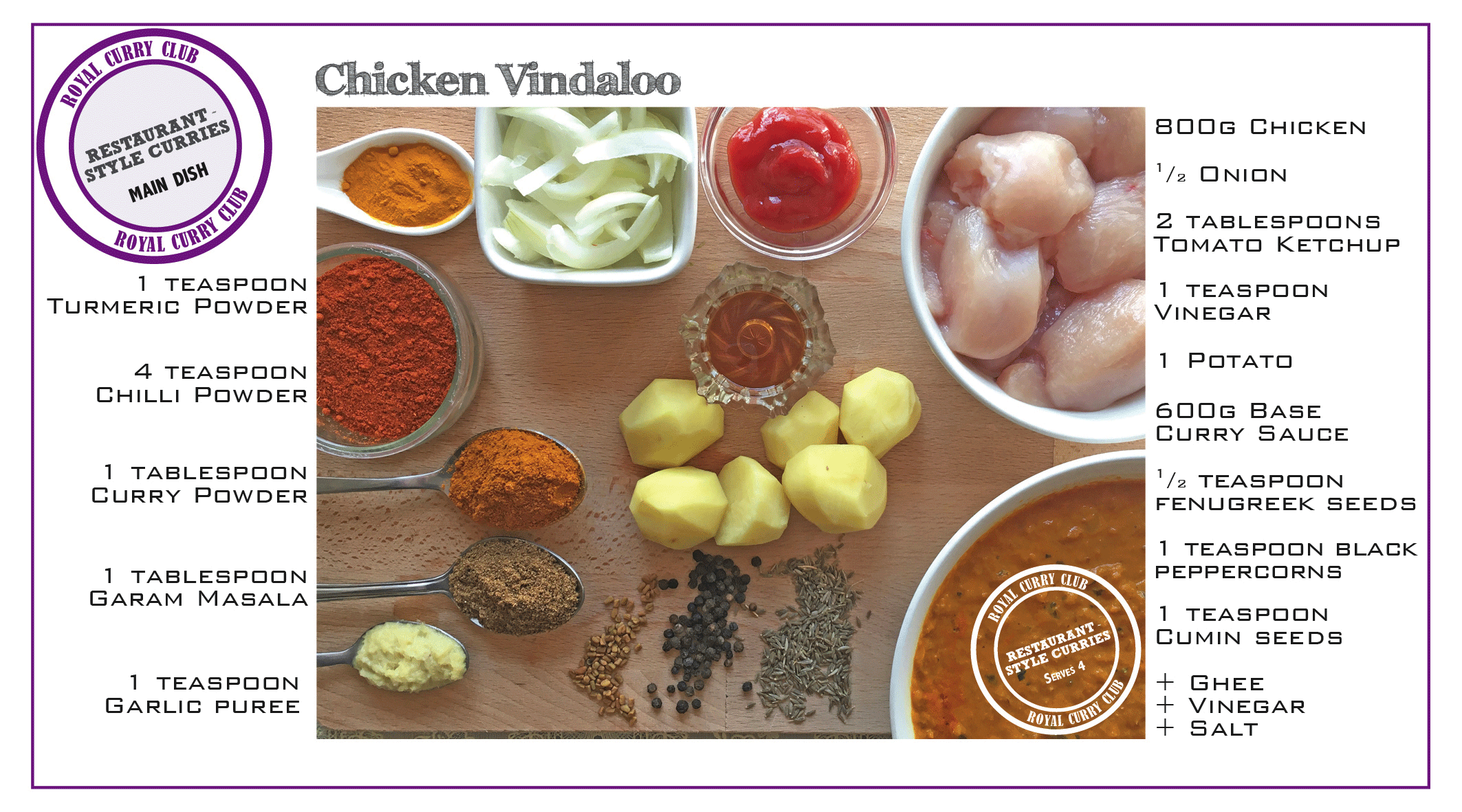
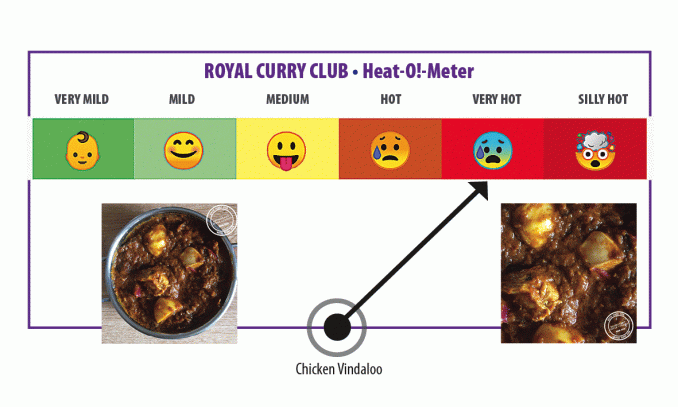
The Vindaloo is for curry lovers who are after some serious heat. Originally a pork and vinegar dish from the tiny state of Goa, restaurants took the name to represent a super spicy curry. The restaurant-style Vindaloo has heat from the peppercorns and chilli powder, sourness from the vinegar and includes its trademark chunks of potato. You’ll need to make our Base Curry Sauce first to cook this dish.

What you need…
• 1 large potato cut in chunks of 5cm in size (you should have 6-8 of them)
• 2 Tablespoons ghee
• 1 teaspoon garlic paste
• 600ml Base Curry Sauce
• 2 Tablespoons tomato ketchup
• 800g chicken, cut into bite-sized pieces
• 1 Tablespoon garam masala
• salt to taste
• 0.5 onion sliced
• 1 Tablespoon vinegar

Spice Mix 1
• 1 Tablespoon mild curry powder
• 1 teaspoon turmeric powder
• 4 teaspoons chilli powder
• 1 teaspoon vinegar

Spice Mix 2
• 1 teaspoon cumin seeds
• 0.5 teaspoon fenugreek seeds
• 1 teaspoon peppercorns

How to make it…
1. Boil the potato chunks in water and pinch of salt until cooked. While it is boilingĀ­ mix the Spice Mix 1 with 1 tablespoon vinegar and enough water to form a sloppy paste.
2. Heat the ghee to a high heat. Add the Spice Mix 2 and fry for 10 seconds. The spices should sizzle immediately. You can test the ghee is hot enough by adding one cumin seed.
3. Add the garlic paste and cook for 1 minute on a lower heat. You may have to remove the pan from the heat initially to stop the paste burning. (If it burns throw it away and start again.)
4. Add the Spice Mix 2 and cook for 2 minutes. It should now be thick and gloopy.
5. Add the Base Curry Sauce and tomato ketchup and cook for 2 minutes.
Add the chicken, mix well and cook for five minutes.
6. Add the garam masala, salt and mix well. Cook for 2 more minutes.
7. Add the onion and the tablespoon of vinegar and continue cooking until the chicken is fully cooked.
8. Finally, add the cooked potato pieces, mix in well and serve.

CHEF’S TIP
You might want to order a cold beer or icy mango lassi to wash down a hot dish like a Vindaloo.
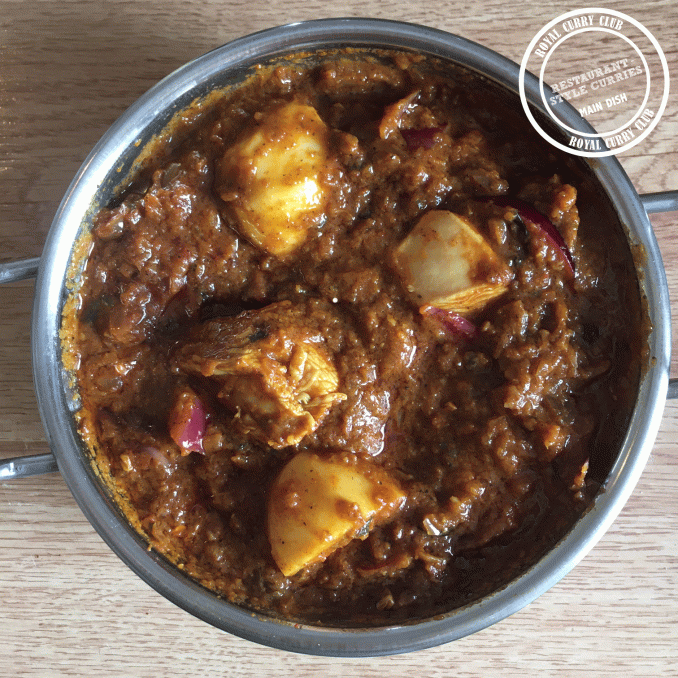
Chicken Vindaloo, the hot and sour favourite for heat lovers.

If you like this you should try our…
Prawn Vindaloo • Lamb Vindaloo • Medium Chicken Curry • Chicken Madras • Chicken Bhoona

Check out 5 Best Goa Curries

A customer in an Indian restaurant just can’t make up his mind what to order. Eventually the staff are getting impatient.
ā€œShall I have the Butter Chicken or the Vindaloo,ā€ he asks for the umpteenth time. ā€œAnd the rice or the naan?ā€
ā€œSir,ā€ replies the waiter. ā€œWe have many dishes and we can advise you, of course. But the final choice of what you want to eat is en-Thali up to you.ā€

How to cook… Chicken Madras

Serves 4 as a main dish

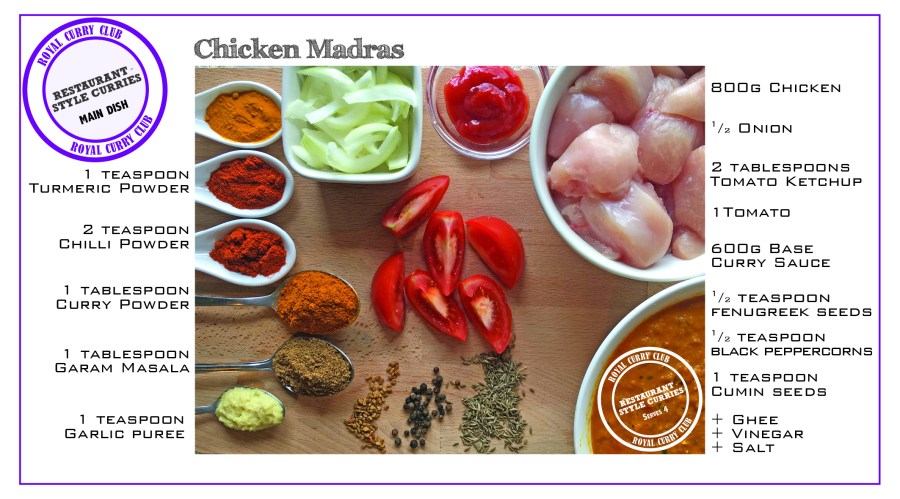
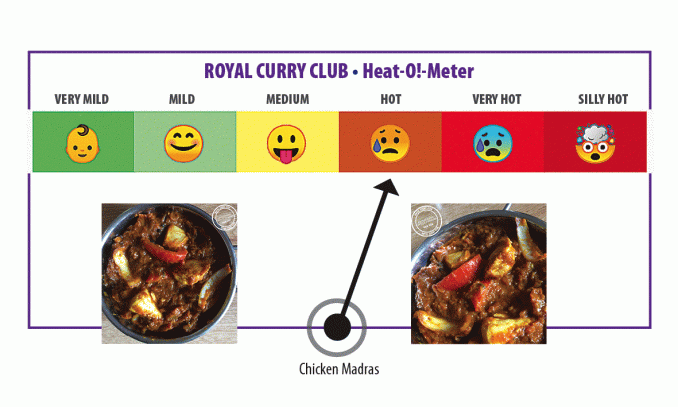
Madras is the go-to choice for heat fans and chicken tops the list. Named after south India’s hot, sweltering city (now called Chennai) a Madras offers a great heat kick without going too crazy. Heat lovers would say it dishes up the perfect balance of spice and heat – just add Base Curry Sauce, some extra spices plus a little onion and tomato.

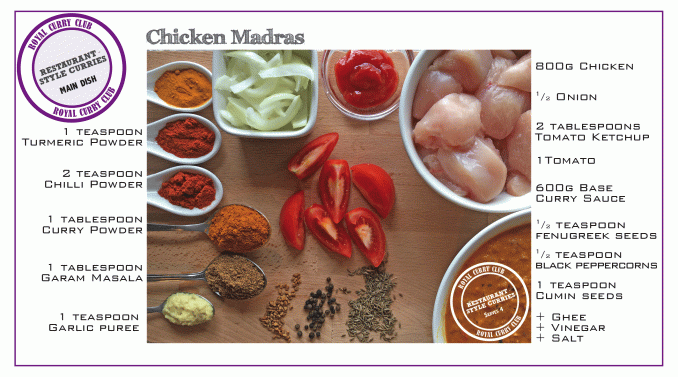
What you need…
• 2 Tablespoons ghee
• 1 teaspoon garlic paste
• 600ml Base Curry Sauce
• 2 Tablespoons tomato ketchup
• 800g chicken, cut into bite-sized pieces
• 1 Tablespoon garam masala
• salt to taste
• 0.5 onion sliced
• 1 tomato, cut into segments
• lemon juice (optional)

Spice Mix 1
• 1 Tablespoon mild curry powder
• 1 teaspoon turmeric powder
• 2 teaspoons chilli powder
• 1 teaspoon vinegar

Spice Mix 2
• 1 teaspoon cumin seeds
• 0.5 teaspoon fenugreek seeds
• 0.5 teaspoon peppercorns

How to make it…
1. Heat the ghee to a high heat. While it is heating up mix the Spice Mix 1 with the vinegar and enough water to form a sloppy paste.
2. Add the Spice Mix 2 to the ghee and fry for 10 seconds. The spices should sizzle immediately. You can test it is hot enough by adding one cumin seed.
3. Add the garlic paste and cook for 1 minute on a lower heat. You may have to remove the pan from the heat initially to stop the paste burning. (If it burns then throw it away and start again.)
4. Add the Spice Mix 1 and stir fry for 2 minutes. The mixture should now be thick and gloopy.
5. Add the Base Curry Sauce and tomato ketchup and cook for 2 minutes.
6. Add the chicken, mix everything well and cook for 5 minutes.
7. Add the garam masala and salt and mix well. Cook for 2 minutes.
8. Add the onion and tomato. Continue cooking until the chicken is fully cooked.
9. A Madras tastes great with a squeeze of lemon on top just before serving.

CHEF’S TIP
The onion and tomato segments should be cooked just enough that they are soft but still intact.
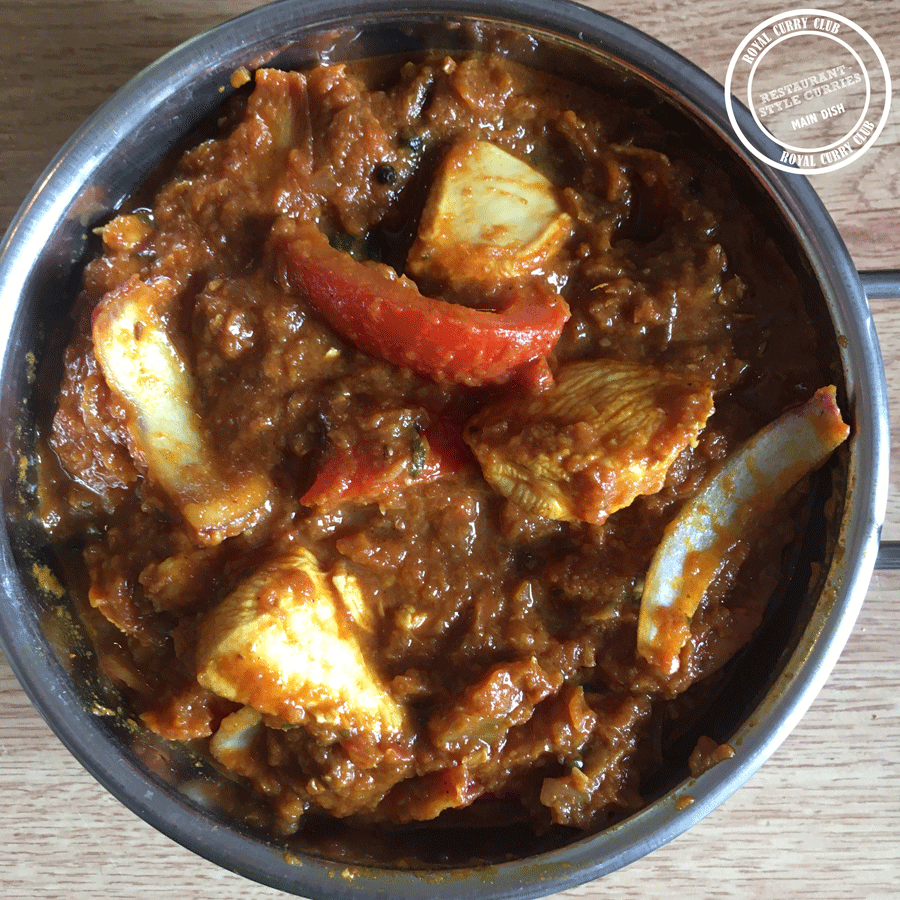
With its great heat kick Chicken Madras is one of the most popular curries in Indian restaurants.

If you like this you should try our…
Prawn Vindaloo • Lamb Vindaloo • Medium Chicken Curry • Chicken Vindaloo • Chicken Bhoona • Butter Chicken • Chicken Rogan
A man visits his local library and asks for a Chicken Madras. “This is a library,” says the librarian. “Oh, sorry,” whispers the man, “can I have a Chicken Madras.”

How to cook… Base Curry Sauce

Makes about 600–800ml sauce (enough for 4-6 curries)

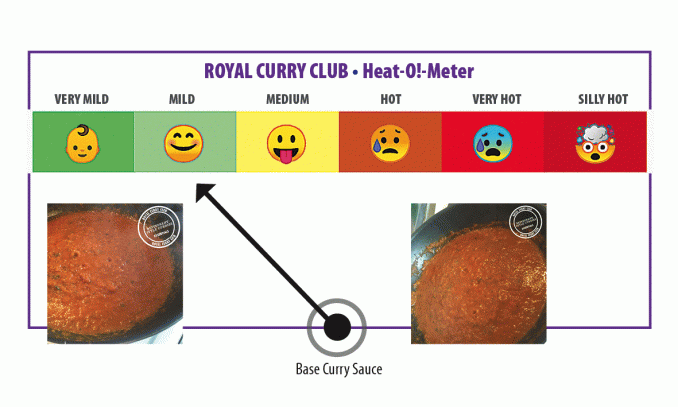
The Base Curry Sauce is your key to making most of your favourite restaurant-style curries, including Madras, Vindaloo, Tikka Masala, Dopiaza, Dhansak and Bombay Potato. Restaurant chefs make a huge pot of it every night and when the orders start coming in they turn to the pot and with a few additions – a bit of spice here, some onion, some pepper, a bit more spice there – your favourite curries are created. Think of the Base Curry Sauce, also called Base Curry Gravy or Basic Curry Sauce, as the essential building block to all those delicious curries.

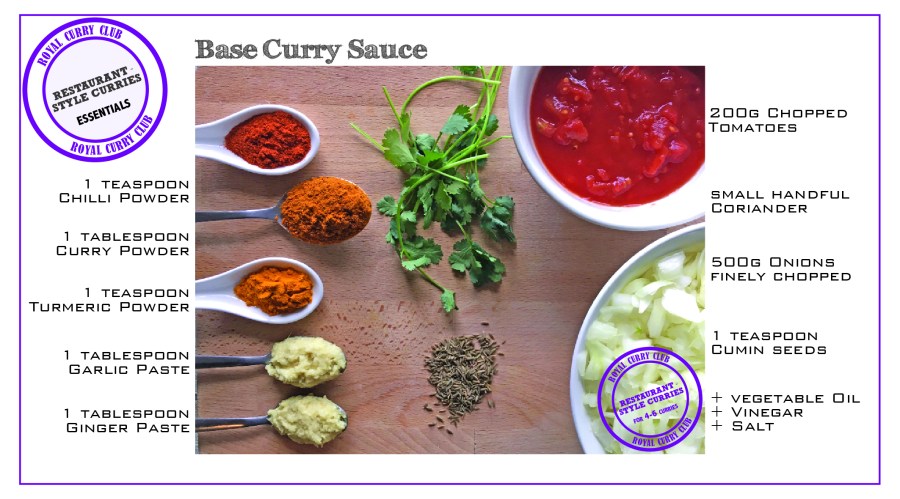
What you need…
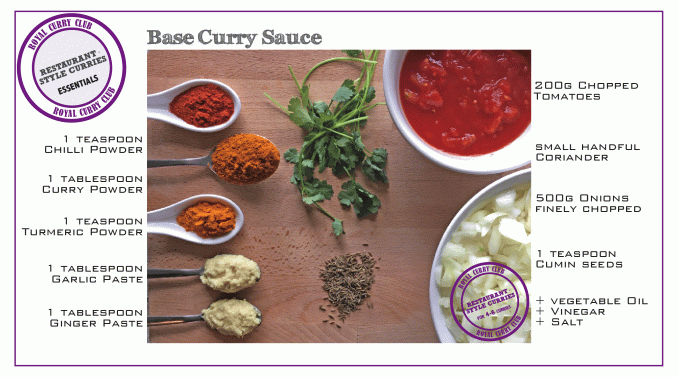
• 6 Tablespoons vegetable oil
• 1 teaspoon cumin seeds
• 1 Tablespoon garlic paste
• 1 Tablespoon ginger paste
• 500g onions, finely chopped (about 2 large onions)
• 200g chopped tomatoes (fresh or tinned)
• 1 small handful chopped coriander
• 1 teaspoon salt
• Water, as required

Spice Mix
• 1 Tablespoon mild curry powder
• 1 teaspoon turmeric powder
• 1 teaspoon chilli powder
• 1 teaspoon vinegar

How to make it…
1. Heat the oil in a pan to a very high heat. While it is heating up add the vinegar and little water to the Spice Mix to create a sloppy paste.
2. Add the cumin seeds to the vegetable oil and fry for 10–15 seconds. They should sizzle immediately. You can test if the oil is hot enough by adding one seed. If they burn throw the cumin seeds and oil away and start again.
3. Turn down the heat and remove the pan from the ring to allow the oil to cool a bit. Then add the garlic and ginger and fry for two minutes on the lower heat.
4. Add the Spice Mix and stir fry until all the moisture has evaporated and the mixture is thick and gloopy (about 3 minutes).
5. Add the onion, some water and cover the pan. Stir occasionally. Cook until the onion is soft but not caramelised (about 10 minutes).
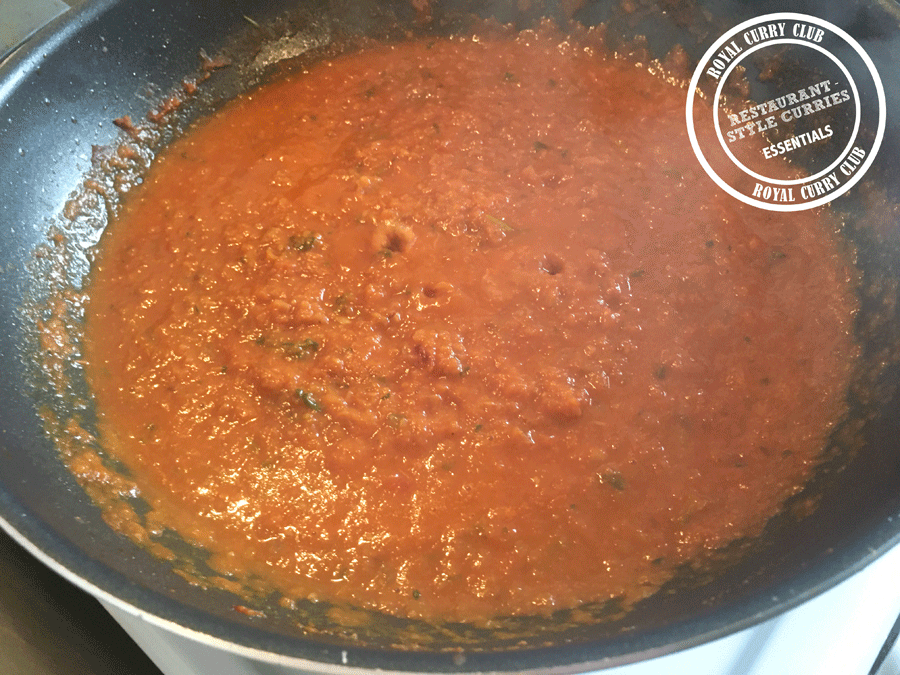
6. Add the tomato and coriander and stir well. Use a hand blender to mash the mixture into a creamy puree. It should be the consistency of apple sauce.
7. Add the salt and cook for another 10 minutes. Add enough water to keep the sauce the correct consistency.


CHEF’S TIP
Rather than making the Base Curry Sauce (or Base Curry Gravy) every time you want a curry, cook up a big batch and freeze it in individual pots. With a pot of Base Curry Sauce at your fingertips your favourite curries can take just minutes to make.
Base Curry Sauce is the key to all your favourite Restaurant-Style curries.

If you like this you should try our…
Medium Chicken Curry • Chicken Madras • Chicken Vindaloo • Chicken Bhoona • Chicken Rogan • Chicken Dhansak
The restaurant owner never bought software. He just used open source.

Curry Guide…Whisky and Curry

Fancy a change from beer with your curry? The spices in whisky make it an ideal drink to accompany your favourite spice dish. Try the smoky blend Johnnie Walker Black or the super peaty Islay single malt Laphroaig with Chicken Tikka Masala for instance.

serveimage-3Whisky and curry go together remarkably well. The spicy notes – cinnamon, nutmeg, ginger, pepper, cloves among others – are central to the aroma and taste of many whiskies while a host of the other tastes you associate with your favourite curry can be found too. In whisky you’ll also find creamy smoothness (Korma dishes), smokiness (Tandoori), sweetness (Dhansak), vanilla (Kulfi), nuttiness (Pasanda), zestiness (Achari) aniseed (Goan fish dishes), as well as saltiness, fruitiness and slight oiliness.

There’s a lot of snobbery associated with whisky (as with wine) but just as you don’t choose your favourite beer with an elaborate performance of swirling, staring and sniffing nor do you have to do so with whisky either. See the boxes for some ideas of Indian dishes and whiskies but don’t be afraid to experiment and see what works for you. A few select whiskies and a selection of dishes from your favourite takeaway can make for a great night at home with friends.

Classic dishes and popular whiskies 

• Butter chicken, with its creamy, tomato base works well with the vanilla smoothness of America’s favourite, Jack Daniel’s. No Coke!

• The strong and powerful smokiness of popular blend Johnnie Walker Black is needed to compete with the extra hot spiciness of Lamb Madras.

• Famous Grouse combines spiciness with sweetness (from its fruit tastes) something that fans of a Prawn Dhansak will recognise and enjoy.

• Biryanis are dry but highly aromatic and need a light and sweet whisky that will not fight the subtle aromas of whole spices used in the dish. Go for a Bell’s.

• Kormas or Pasandas, with their creamy and nutty tastes, both work well with the easy, smoothness of Ireland’s triple-distilled Jameson. Any idea why it’s a favourite for Irish coffees?


Advanced tasting menu

Starter: Onion bhaji and Glenkinchie 10 Year Old. A classic, simple starter of sliced onion and gram flour that deserves a gentle accompaniment and this Edinburgh whisky is light but has a touch of spice and ginger.

Lamb: Lamb Tikka and Caol Ila (pronounced Cal-le-la). The tandoor-cooked lamb needs something as strong and smoky as the single malt Caol Ila (it’s the lead whisky in Johnnie Walker Black) with its hint of pepper and spice.

Chicken: Achari Chicken and Tullamore Dew. This Irish blend offers spicy and lemon flavours, ideal if you like your chicken cooked in tangy pickles.

Vegetable: Mutter Paneer with Wild Turkey. The smoothness of the cheese needs a smooth whisky and this famous Kentucky Bourbon provides that, but also adds hints of spices including cinnamon.


The Spice Card offers savings on curries, including on takeaways at many venues. You can get your Spice Card here.

3D card image

Curry Guide… Saffron

pexels-photo-357743

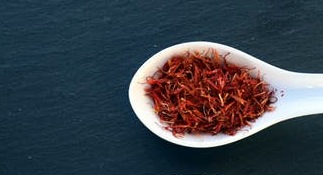
Saffron is a highly prized spice used for seasoning and flavouring, especially in Indian and Middle Eastern food. The delicate stigmas (or threads) are plucked from the saffron crocus and dried before use. Due to this intensive process to harvest just a few stigmas and the fact that it grows in only a few countries around the world, the cost of saffron is very high. So high, in fact, that the question “what spice is more expensive than gold?” has become a staple of nearly everyone who has leaned against a bar with a beer.

Oh, how we all love to exclaim: “saffron!” very loudly as if we have found the secret to the universe. It’s a ritual that’s made all the more fun because it’s not actually true (gold costs more than Ā£32,000 per kg as compared to about Ā£2,500 per kg of saffron)*

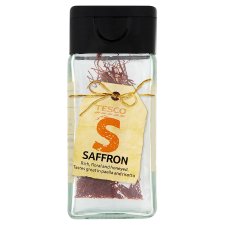
Saffron users are also going to need quite a bit of storage space to match its “weight in gold”. With a standard gold bar, as used by the bullion traders and banks, weighing 12.4kg you’re going to need a whopping 24,800 of these 0.5g packs that are sold by Tesco supermarket (at Ā£2.50 each that would set you back Ā£62,000)*.

IDShot_225x225.jpg

But you’re certainly not going to need anything like that to spice up your food. Just a couple of strands is enough to add a beautiful flavour and aroma to your pilau rices, biryanis and kormas. The best way to use saffron is to put a couple of strands in a small amount of warm water or milk and press gently with the back of a spoon. This will release all the wonders of the spice, which can then be added to your dish.

The high cost of saffron means it is unlikely to be used in many restaurants. They will instead use the cheaper safflower, turmeric or colouring agents to try to mimic the properties of saffron.

Saffron is also know as zaffron or kesar (Hindi) and the largest producer of it is Iran, followed by Greece (where it was first cultivated), Morocco and Kashmir. Saffron has also been used for medicinal purposes and as a dye for clothes, its stigmas creating a colour which would have conferred status on the wearer due to its high cost.

* At 10 January 2019.

Photos: Pexels and Tesco.Ā