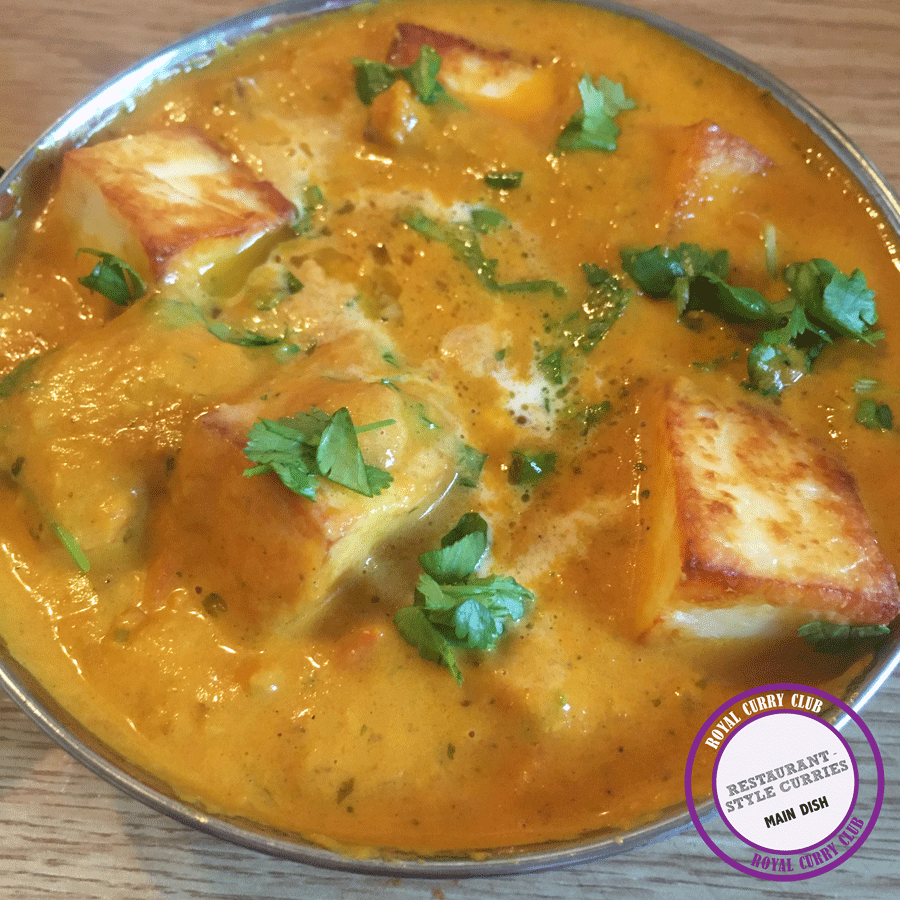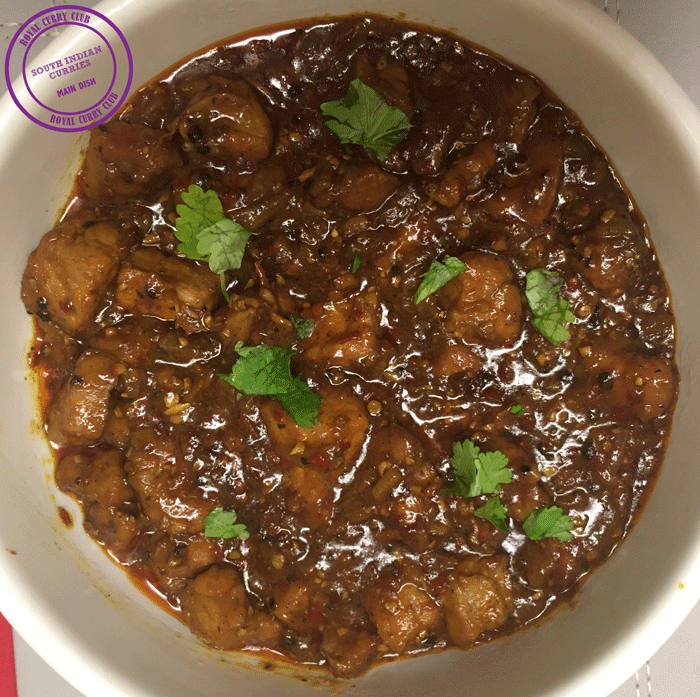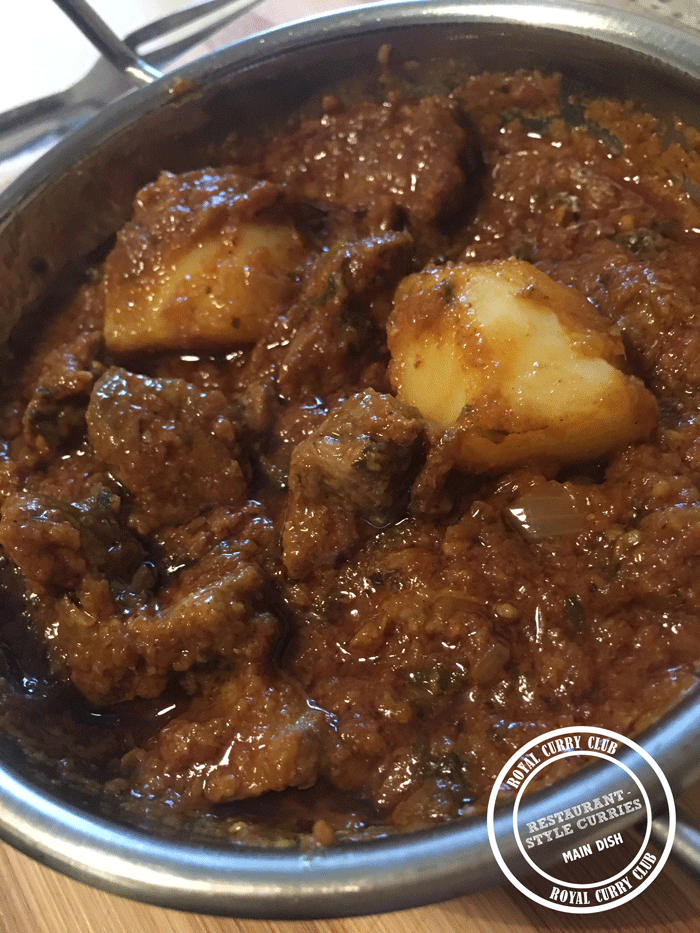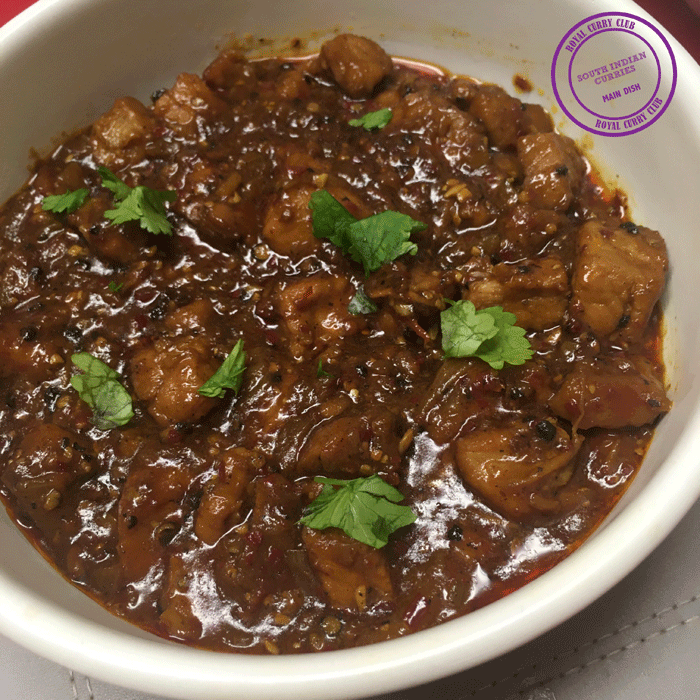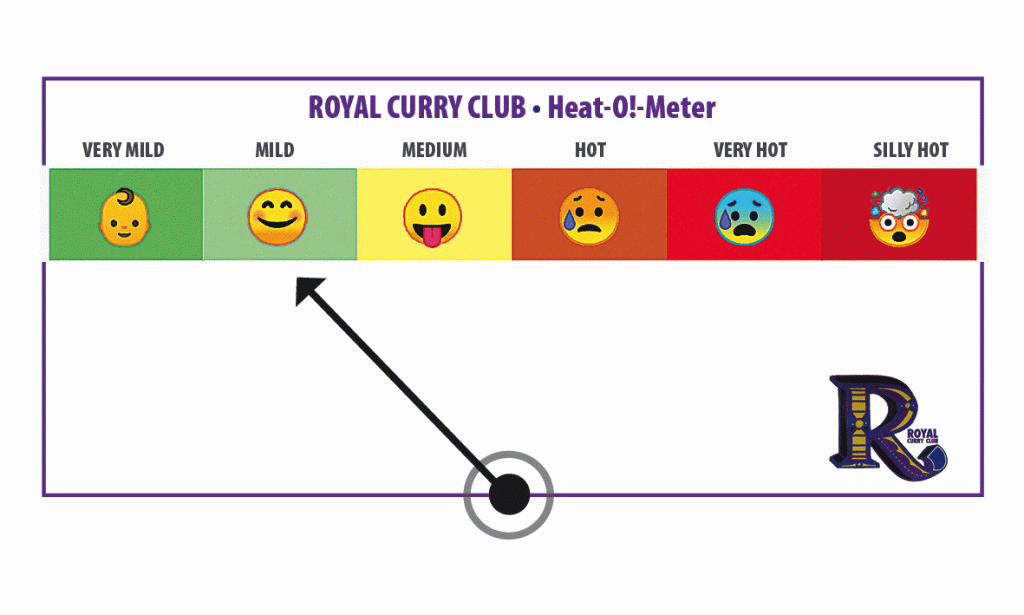
How to cook… Marchwangan Korma

Serves 4 as a main dish
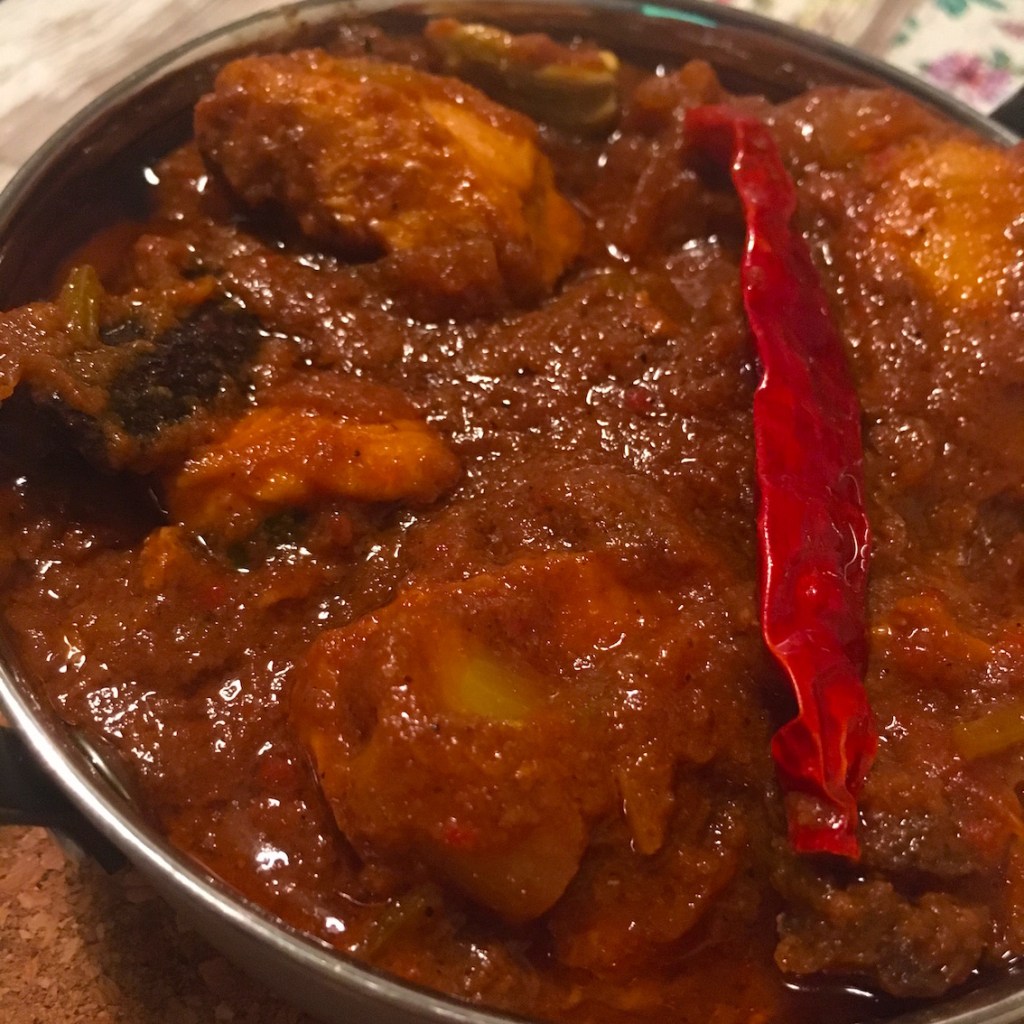
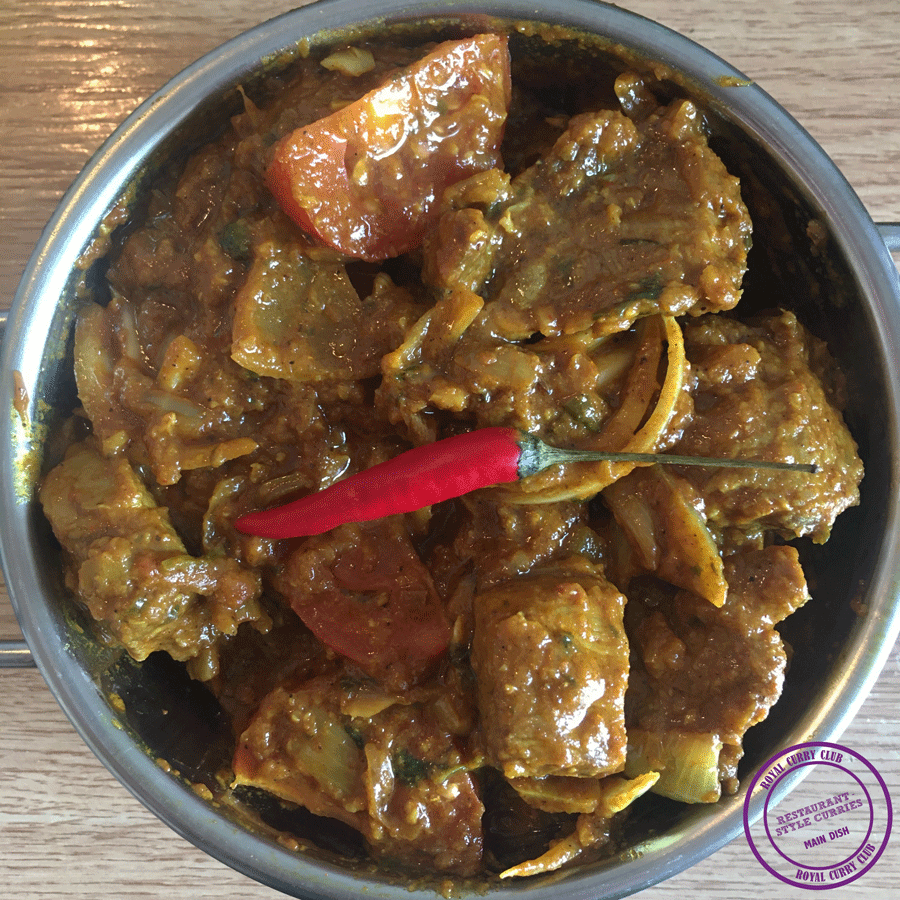
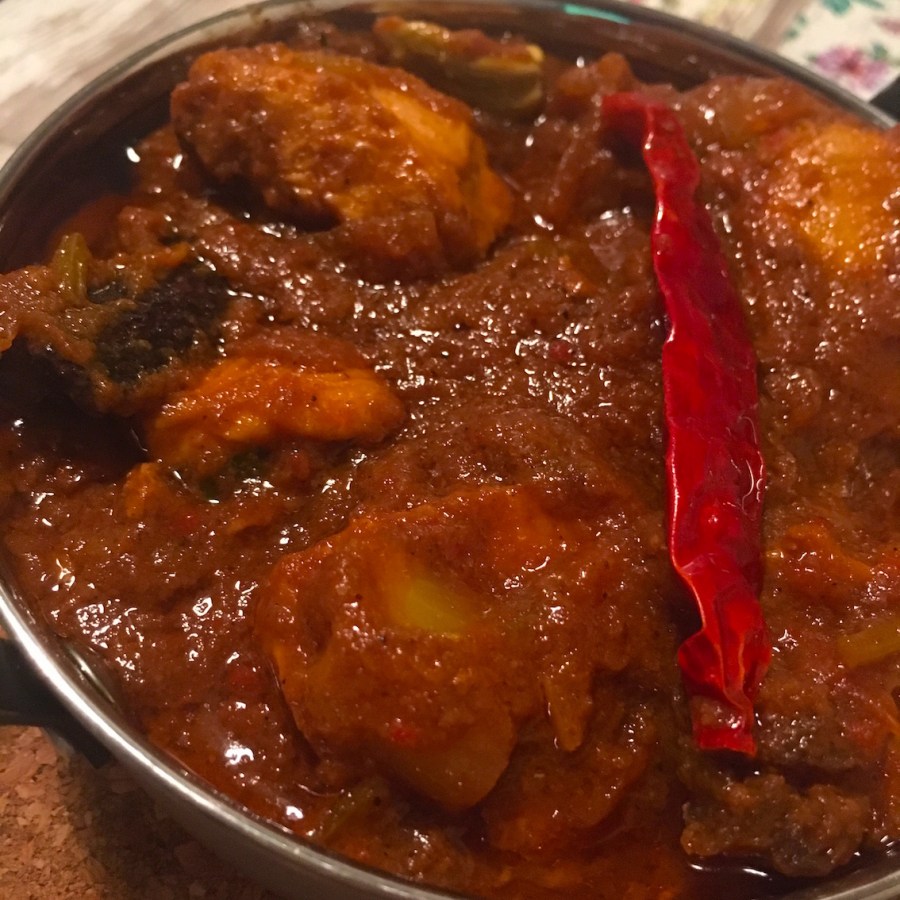
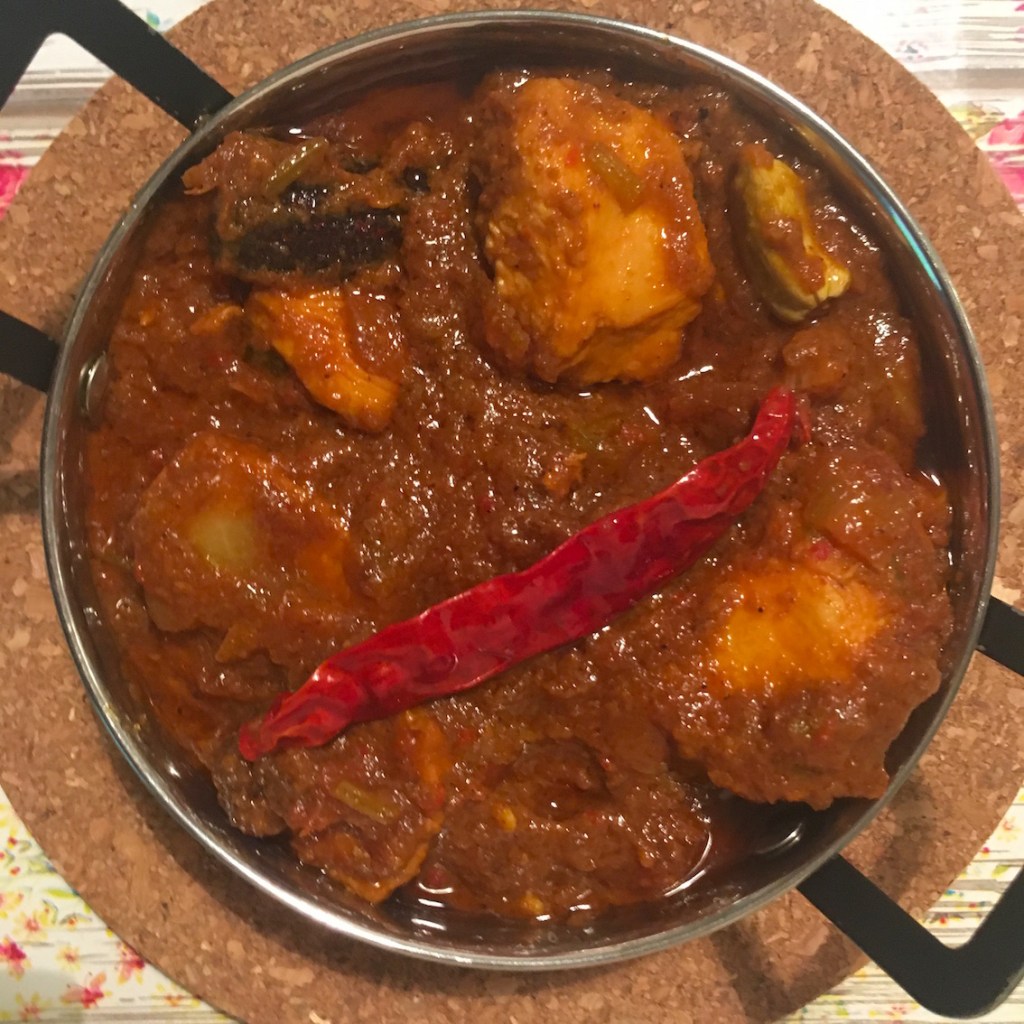
Korma is either loved (it is one of the favourite restaurant curries) or derided by those who prefer hotter curries. But korma is not just a mild, creamy dish but a style of cooking that means “to braise”, with origins in central Asia. Traditionally this oily, hot Kashmiri korma (yes, they can be hot!) is traditionally cooked with on-the-bone lamb or mutton but chicken works well and requires a lot less cooking time. Pandit Kashmiris (Brahmins) don’t eat onion so Marchwangan Korma is sometimes cooked without it.

What you need…
• 4 Tablespoons ghee
• 800g of chicken, cut into large chunks
• 4 green cardamons, cracked but not crushed
• 6 cloves
• 6cm piece of cinnamon stick
• 2 garlic cloves, sliced
• 1 large red onion, finely chopped
• 1 teaspoon cumin powder
• 1 teaspoon coriander powder
• 2 teaspoons chilli powder
• Salt to taste

Red Marinade
• 1 cooked beetroot, chopped, and 4 Tablespoons of the juice
• 8 red chillies, chopped
• 2 Tablespoons tomato purée
• 1 teaspoon paprika

How to make it
1. Mix the ingredients for the marinade and blend to a fine paste with a little water. Add the chicken and leave to marinade for at least 2 hours but preferably 24 hours.
2. Heat half the ghee in a pan to a high heat and quickly seal the chicken (about 3 minutes). Remove the chicken from the pan and set aside.
3. Add the rest of the ghee to a high heat and fry the cardamons, cloves and cinnamon stick for 15 seconds. They should sizzle immediately.
4. Turn down the heat, add the garlic cloves and fry for 1 minute.
5. Add the onion and fry until it starts to brown (about 6–7 minutes).
6. Add the cumin, coriander and chilli powder and fry for 2 minutes.
7. Add the Red Marinade and cook for 2 minutes.
8. Turn down the heat to very lower, add the chicken and salt, cover and cook until the chicken is all cooked through (about 15–20 minutes).
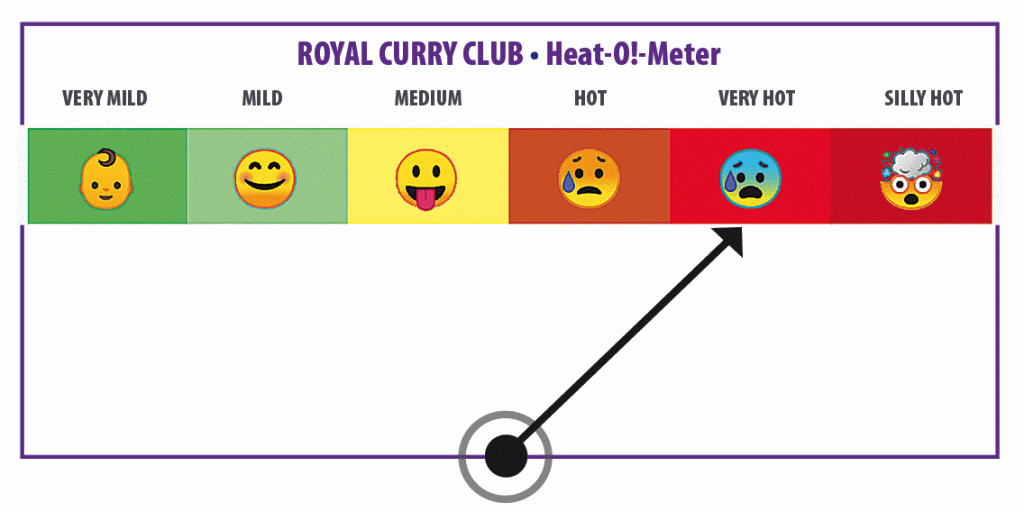
CHEF’S TIP
To cook without onion replace with 100ml red wine when you add the Marinade.
If you like this you should try our
Sag PaneerChilli PaneerButter ChickenButter PaneerPrawn KormaMedium Chicken CurryChicken MadrasChicken VindalooChicken BhoonaChicken DopiazaAmbot Tik

This curry is red, that much is true, it is so hot, it’ll make you go whooa!

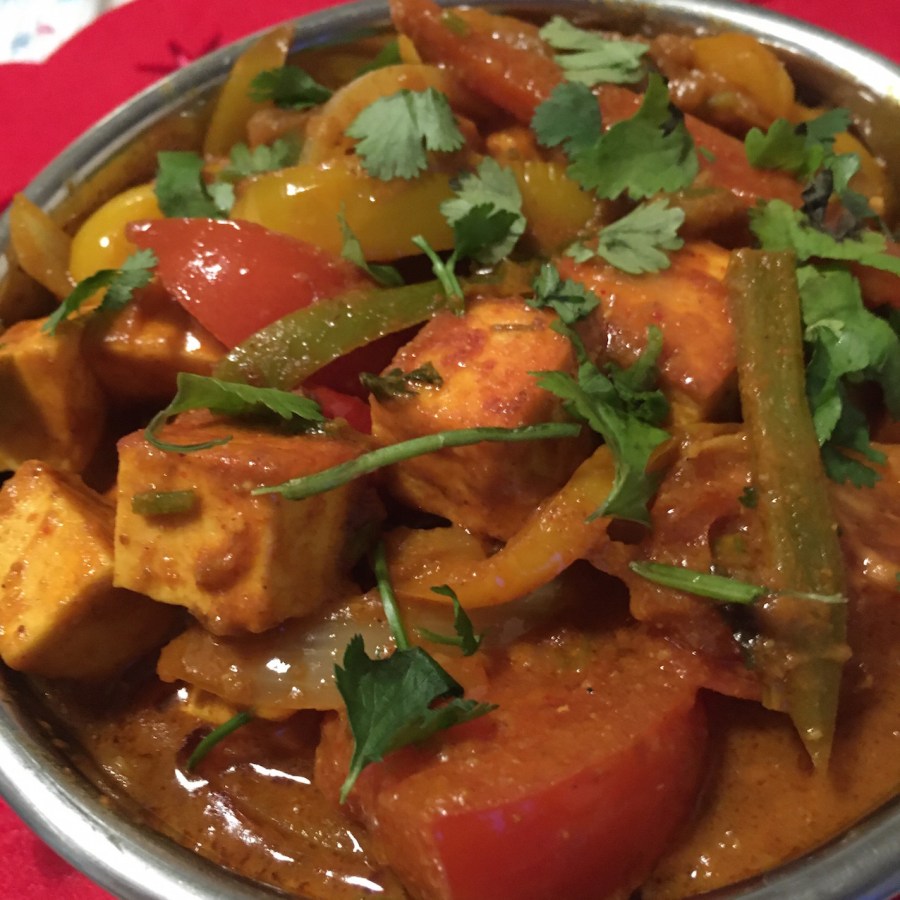
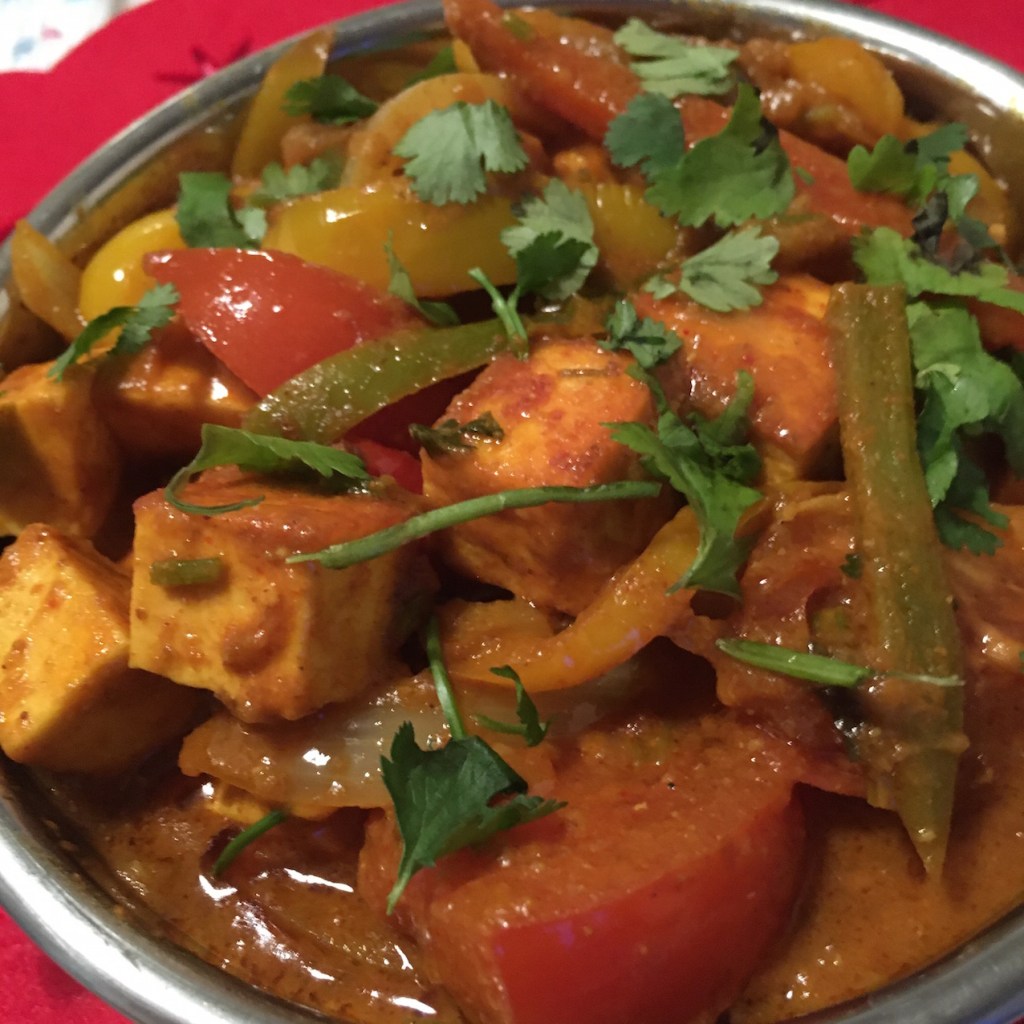
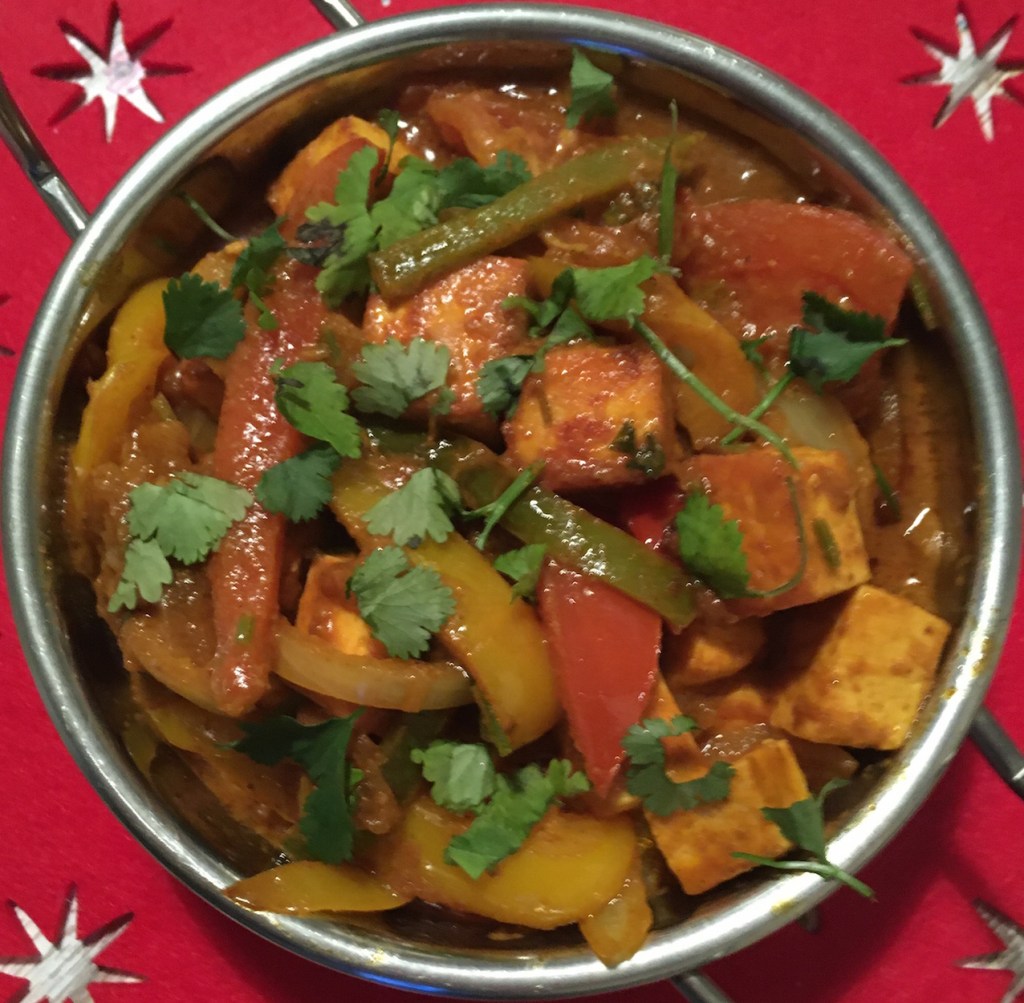
How to cook… Paneer Jalfrezi

Serves 4 as a main dish

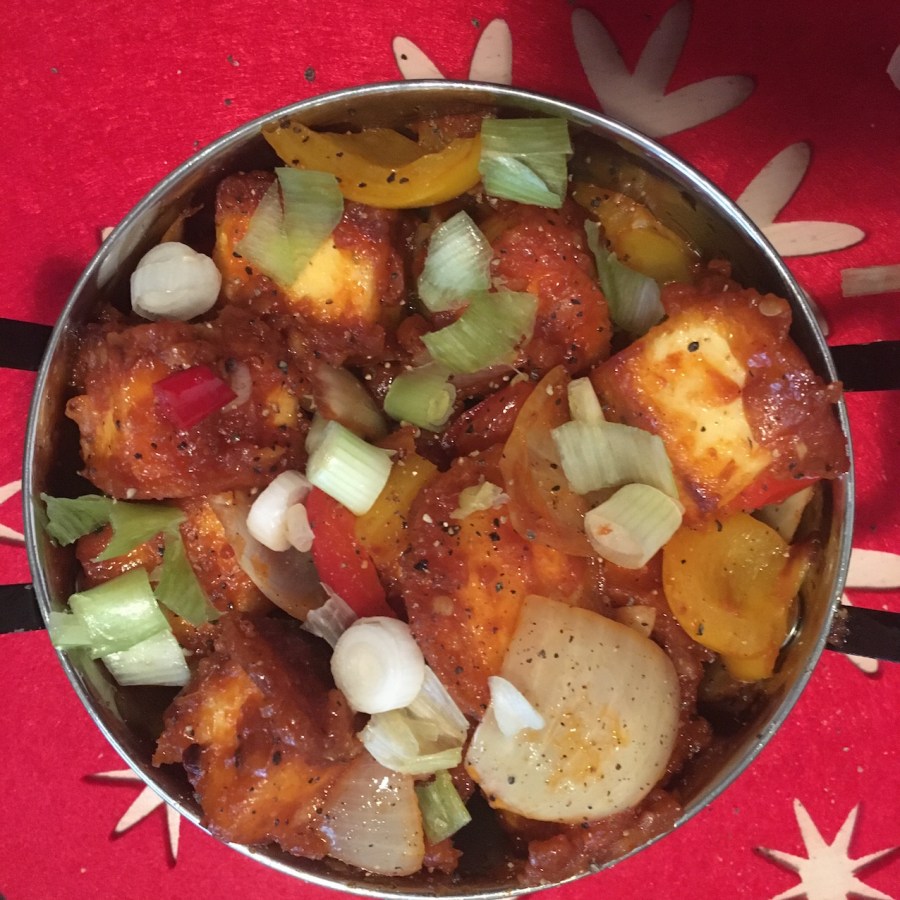
While Chicken is the favourite version of this popular dish Paneer Jalfrezi is a must try. Cooked with Base Curry Sauce and mixed with different coloured peppers, onions, tomatoes and chillies to create a lovely range of tastes and colours for this favourite restaurant curry

What you need…
• 1 Tablespoon oil
• 1 Tablespoon ghee
• 5 garlic cloves, sliced
• 4 cm chunk of ginger, cut into 2cm matchsticks
• 0.5 red pepper, cut into thin slices
• 0.5 yellow (or green) pepper, cut into thin slices
• 4 green chillies, chopped
• 600g Base Curry Sauce
• 800g paneer, cut into bite-sized pieces
• Small handful fresh coriander (chop up the stems and some of the leaves to add to the curry but set aside a few of leaves for garnish)
• 1 onion, sliced
• 2 tomatoes, cut into segments
• Salt to taste

Spice Mix
• 1 Tablespoon mild curry powder
• 1 teaspoon chilli powder
• 1 teaspoon cumin powder
• 0.5 teaspoon turmeric powder
• 1 teaspoon vinegar


How to make it
1. Heat the oil in pan to a low-medium heat. Add the paneer cubes and fry until they brown. This should take about 3–4 minute. Remove from the pan and set aside.
2. Heat the ghee to a medium heat. While it is heating up mix the Spice Mix with the vinegar and enough water to form a sloppy paste.
3. Add the garlic and ginger and cook for 2 minutes.
4. Turn up the heat and add the peppers and chillies and cook for 2 minutes. You will soften the peppers and slightly char it (to mimic the tandoor taste).
4. Turn the heat down and add the Base Curry Sauce and Spice Mix and cook for 2 minutes.
5. Add the chicken and cook for 5 minutes.
6. Add the coriander, onion, tomatoes and salt, and cook for 3 minutes. The pepper, onion and tomato should be just soft but not mushy.
7. Add the paneer and cook for 2 minutes.
8.
Serve, garnished with the coriander leaves.

CHEF’S TIP
You can use shop bought paneer for the crumbliest paneer make your own.

If you like this you should try our
Sag PaneerChilli PaneerButter ChickenButter PaneerPrawn KormaMedium Chicken CurryChicken MadrasChicken VindalooChicken BhoonaChicken Dopiaza

Which cheeses can fly? Birds of prey.

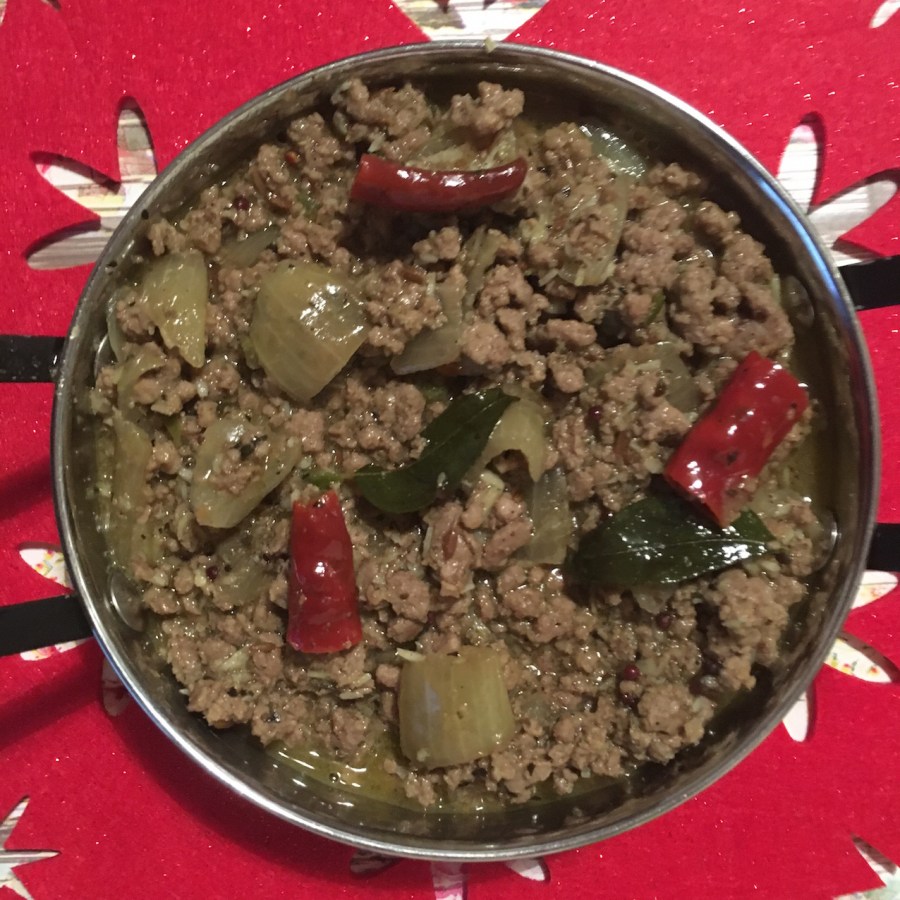
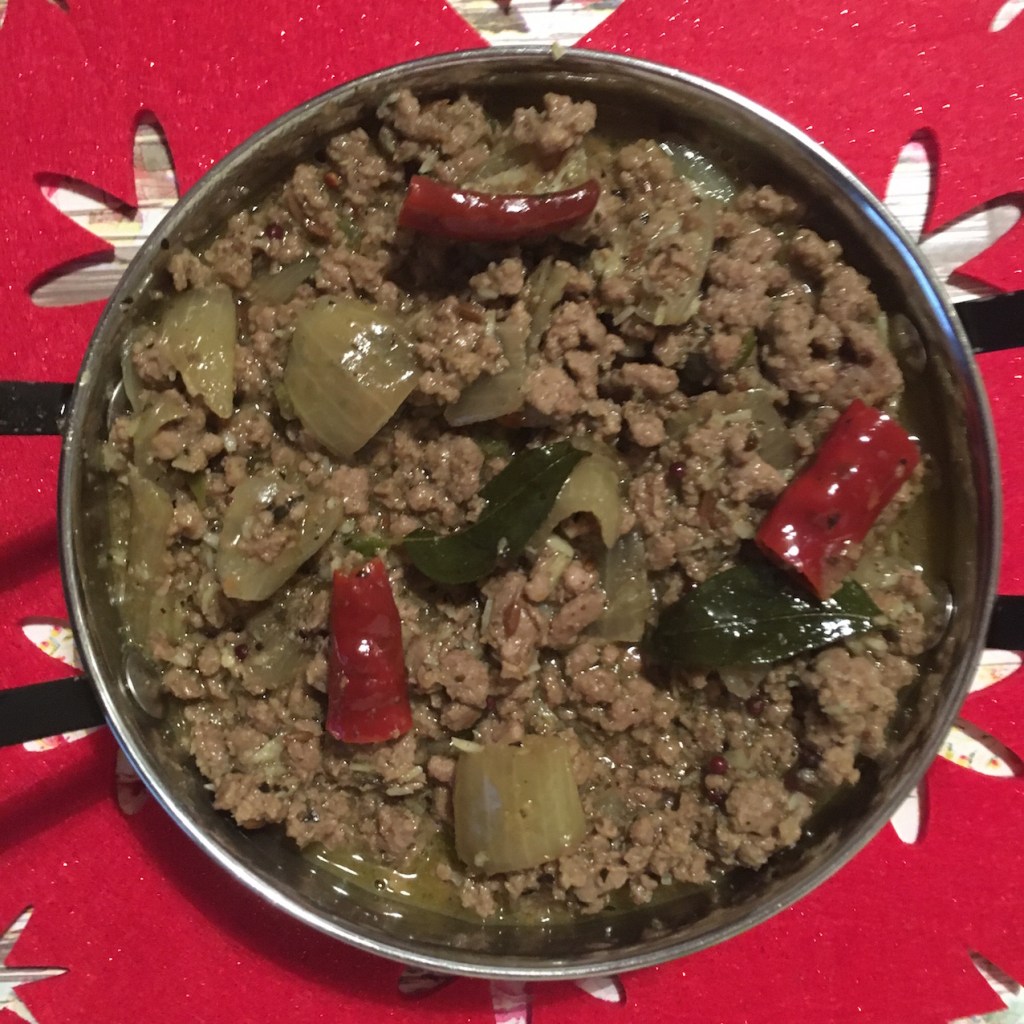
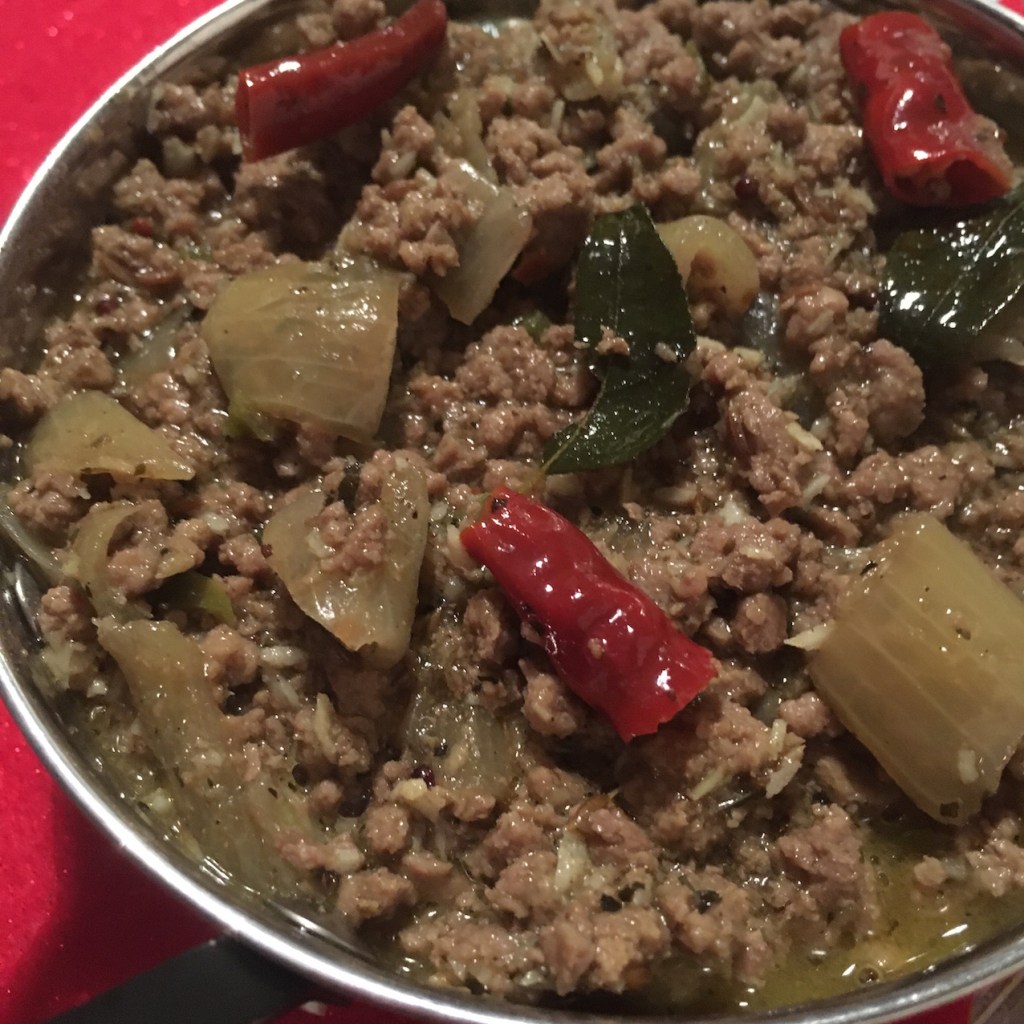
How to cook… Keema with Coconut

Serves 4 as a main dish

A simple dish for mushroom lovers who love a bit of spice in their side dishes. Just add the mushrooms to a little Base Curry Sauce, add plenty of garlic and chilli for this dryish dish.

What you need…
• 2 Tablespoons oil or ghee
• 1 teaspoon garlic paste
• 1 teaspoon ginger paste
• 600g lamb mince
• 1 teaspoon cumin seeds
• 1 teaspoon mustard seeds
• 4 dried red chillies, chopped into large pieces
• 1 onion, peeled and roughly chopped
• 5 curry leaves
• 0.5 teaspoon turmeric powder
• 1 teaspoon garam masala
• 2 Tablespoons coconut cream
• Salt to taste

Green Paste
• 20 mint leaves
• 3 green chillies, chopped
• 1 Tablespoon desiccated coconut

How to make it
1. Grind the ingredients from the Green Paste into a fine paste. Set aside.
2. Heat 1 Tablespoon oil in a pan to a medium heat and fry the garlic and ginger pastes for 1 minute.
3. Add the mince and fry until it is all browned (about 10 minutes). Remove the mince and set it aside.
4. Add the rest of the oil to a high heat and fry the cumin seeds, mustard seeds and red chillies for 15 seconds. It should sizzle immediately. You can test it is hot enough by dropping in one seed.
5. Turn down the heat to medium, add the onion and fry until it softens (about 5 minutes).
6. Add the curry leaves, turmeric and garam masala with a little water and fry for 3 minutes.
7. Add the Green Paste and cook for 3 minutes.
8. Add the mince and cook for 25 minutes.
9. Add the coconut cream and salt, mix well, remove from the heat and leave to rest for 3–4 minutes before serving.

CHEF’S TIP
You can replace the desiccated coconut with a chunk of fresh coconut for a fresher taste.
Keema with Coconut is popular dish from the South Indian state of Kerala.

If you like this you should try our
Ambot TikChilli ChickenChilli PaneerButter ChickenMedium Chicken CurryChicken MadrasChicken Vindaloo Restaurant-style)Chicken BhoonaChicken Recheade

Check out 5 Best Goa Curries

What will you find in the middle of a coconut? The letter ‘o’.

5 Best Indian Street Foods

Take a stroll away from the smart restaurants and you can often find some of the best food you’ll ever eat. Street food is the only food some people ever eat in India. They street vendors are effectively their restaurants to them. Some have one or two rickety chairs and tables; for others you have to grab and go. Ask and of the vendors why their food is so good and they’ll tell you: “we don’t need rules and regulations. If our food is not healthy and tasty we will lose our customers. They are the only rules we need. Next time you are in India skip the tablecloths and fancy waiters and yourself down the streets for some proper treats. Until then why not try these five favourites at home…

Here are Five Best Indian Street Foods


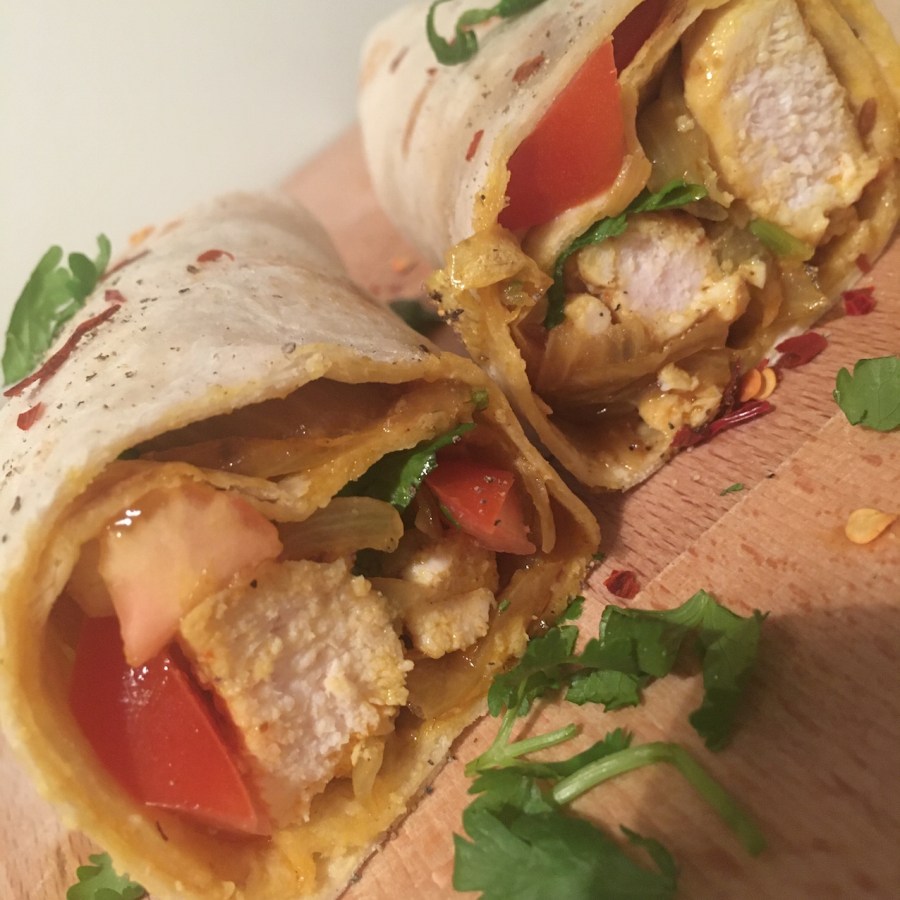
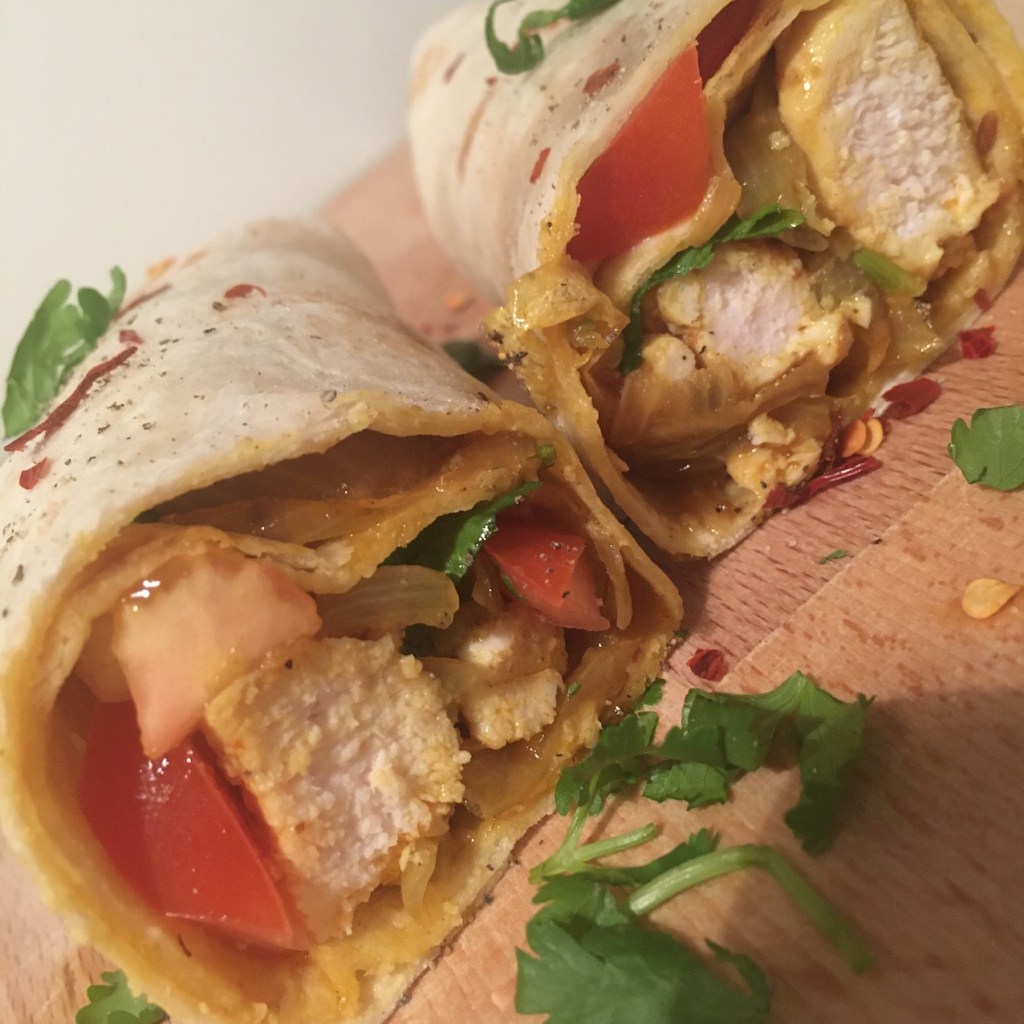
1. Kathi Roll (Calcutta)

The famous Kathi Rolls are from the streets of Calcutta in West Bengal but they are now famous all over the world. The rolls are ideal for commuters eating on the go and would traditionally have included meat, fried onion and spices in a paratha. Today Kathi Roll has become a catch-up phrase for any spicy wrap, so you are likely to find it will all sorts of fillings.

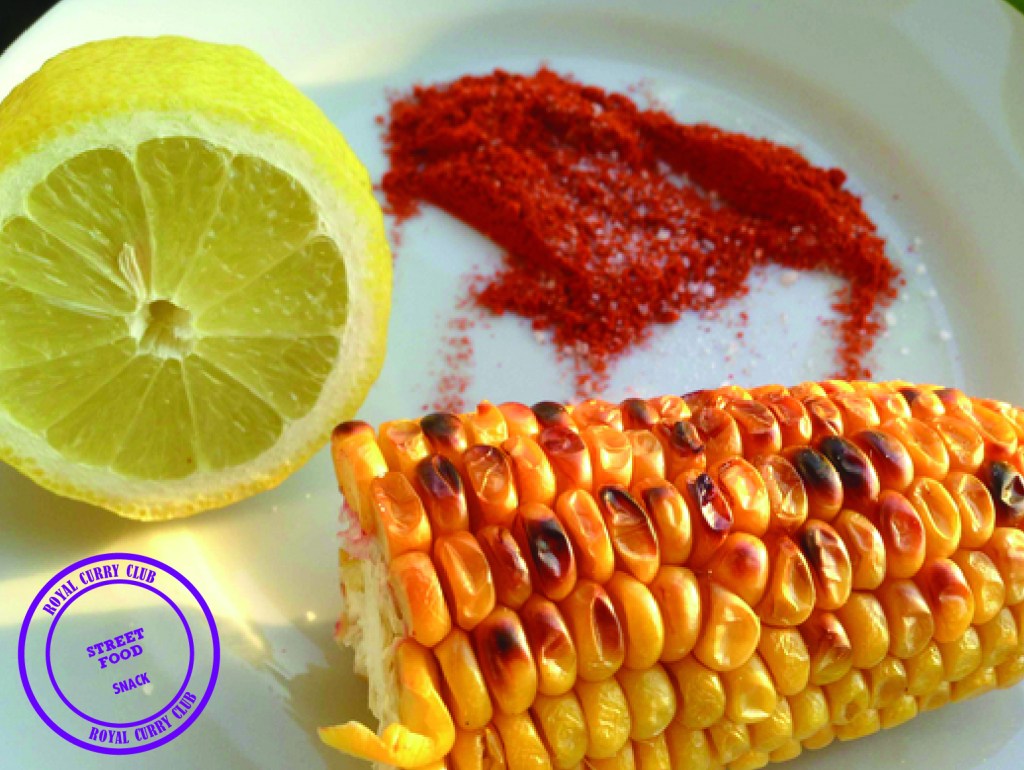
2. Roasted corn (Goa)

Roasted Corn is a simple street snack you’ll find all over the sub-continent and it’s delicious rubbed with grainy salt and spice. For that delicious roasted taste the vendors briefly finish cooking the corn in the coals, leaving the leaves on the corn to protect it. You can cook on the barbecue at home or try to replicate the taste under the grill. On the street it’s eaten with your hands, of course.

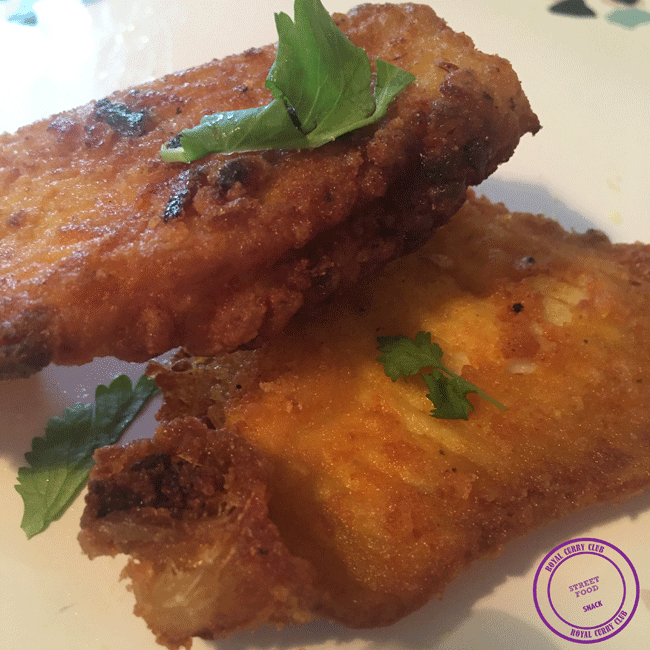
3. Tali Machli (Maharashtra)

Tali Machli (Spicy Fried Fish) is a popular street food snack eaten all over India but is especially popular in coastal Maharashtra. It’s lightly spiced so you don’t need a sauce, which makes it ideal for eating on the move, but it’s also delicious with your favourite chutney or pickle.

4. Bunny Chow (Durban)

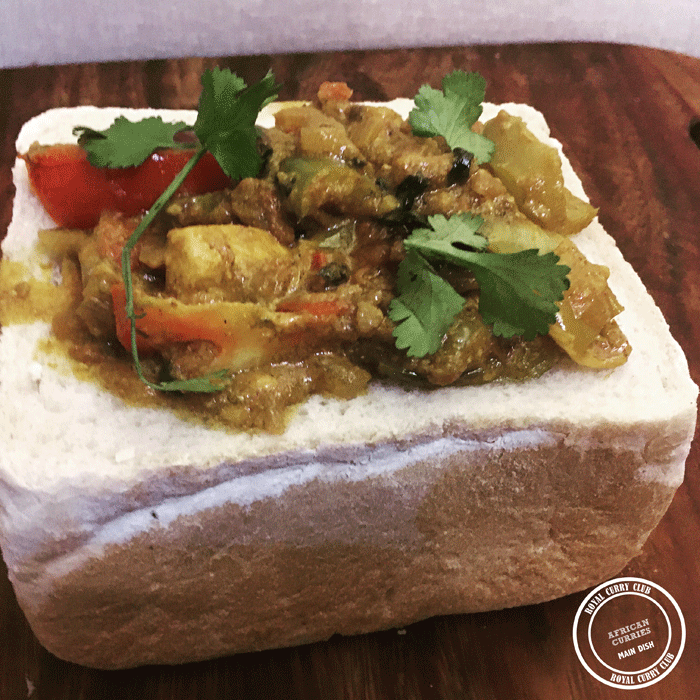
Ok, you won’t find this in India but you street food lovers must try this! It’s simple, it’s rustic and it’s tasty… it’s a Bunny Chow! You’ll find someone selling them on every street corner in Durban, South Africa. Ideal for that steamy tropical climate, yet also great comfort food for cold winters. Cut off the bottom of a loaf, scoop out the white stuff leaving a crust shell. Fill with hot chicken curry (don’t forget the sauce now), settle down and use the bread you scooped out to mop up and eat your curry. No cutlery permitted. Durbanite and Bunny Chow lover Richard says bunnies are best eaten sitting cross-legged while staring at the Indian Ocean with a bottle of ice-cold Coke by your side.

5. Chicken Tikka (North India)

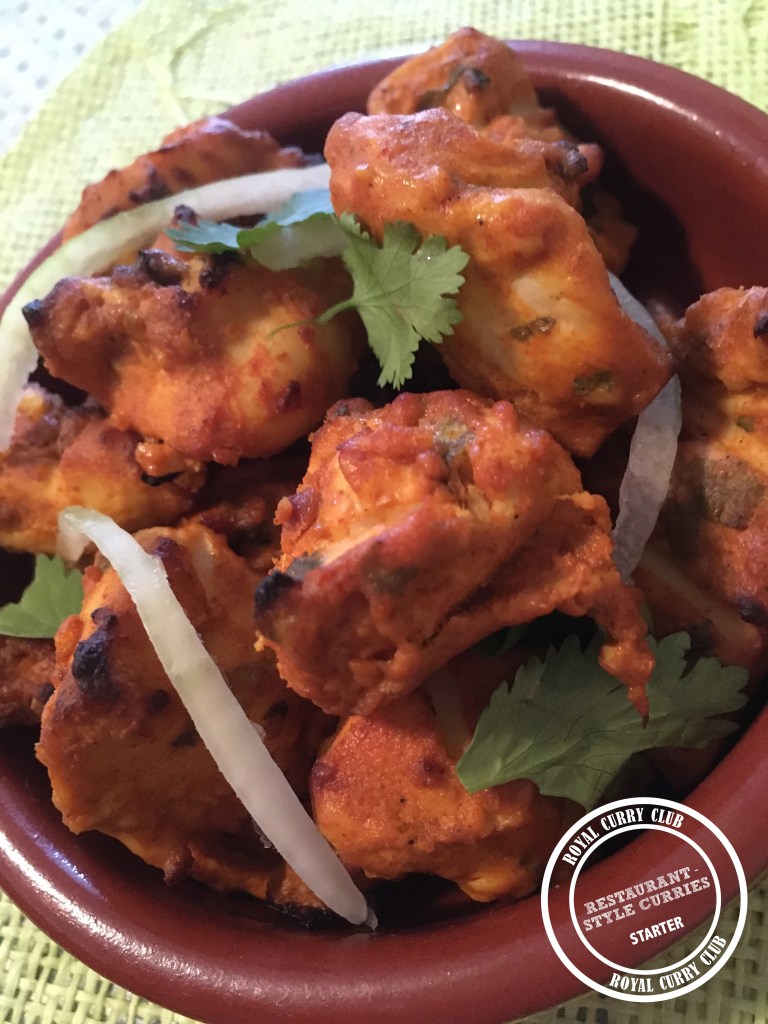
You may know it as the archetypal restaurant starter but there are not many more popular dishes on the street than Chicken Tikka. The stalls are filled with long skewers hanging ready for customers. But few hang there for long as they are soon snapped up and eaten on the go with hot chapatis by the hungry customers. Cooked in makeshift tandoors, often no more than a old drum that’s been coated on the inside with thick concrete to hold the heat, the chefs are kept busy from one morning till the early hours of the next.

5 Favourite Restaurant Curries

The first Indian restaurant in Britain (the Hindoostane Coffee House) was established in 1810 and restaurants serving spicy food remained popular throughout the 19th Century. However, it was post-World War II, when a large number of Asians from Commonwealth come to Britain, that the number of restaurants really boomed. The chefs soon learnt to adapt their dishes to local tastes and many authentic dishes have been adapted and mixed over the years to create a particular style of dishes known as British Indian Restaurant (BIR)-Style. Today there are an estimated 12,000 such restaurants in the country in Britain, mostly run by Indians, Bangladeshis, Pakistanis and Nepalis. In a Royal Curry Club survey we asked: “What’s your favourite curry?” Jalfrezi stormed the poll, with 41% saying that dish was their favourite, with Biryani coming in second. Tikka Masala, once dubbed “a national dish of Britain” flopped, with only 19% of curry lovers choosing the old creamy favourite. Madras and the super-mild Korma came in at fourth and fifth curry house favourites.

Here are Five Favourite Restaurant Curries.


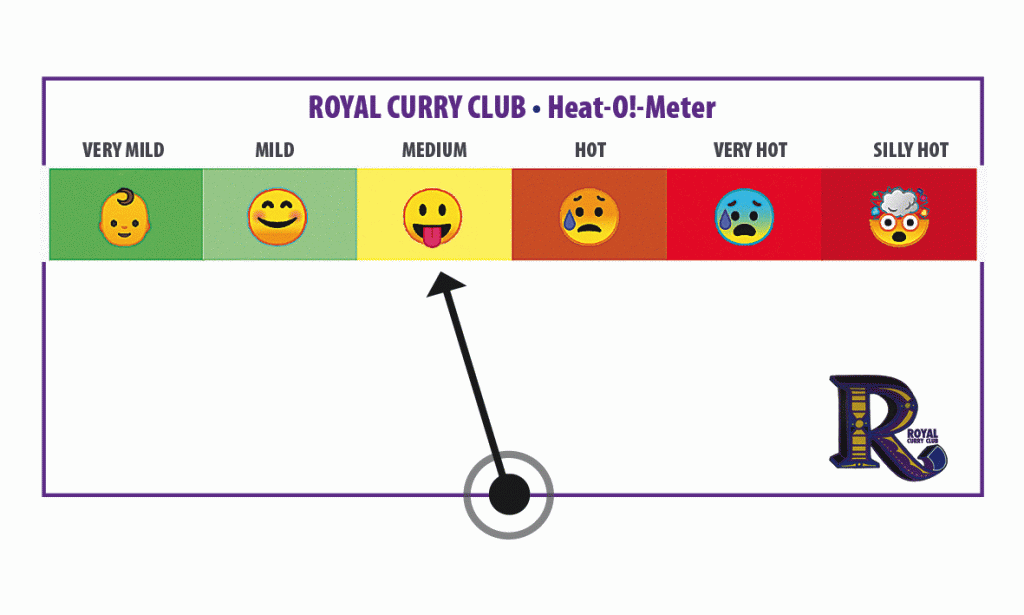
1. Jalfrezi (Medium-Hot)

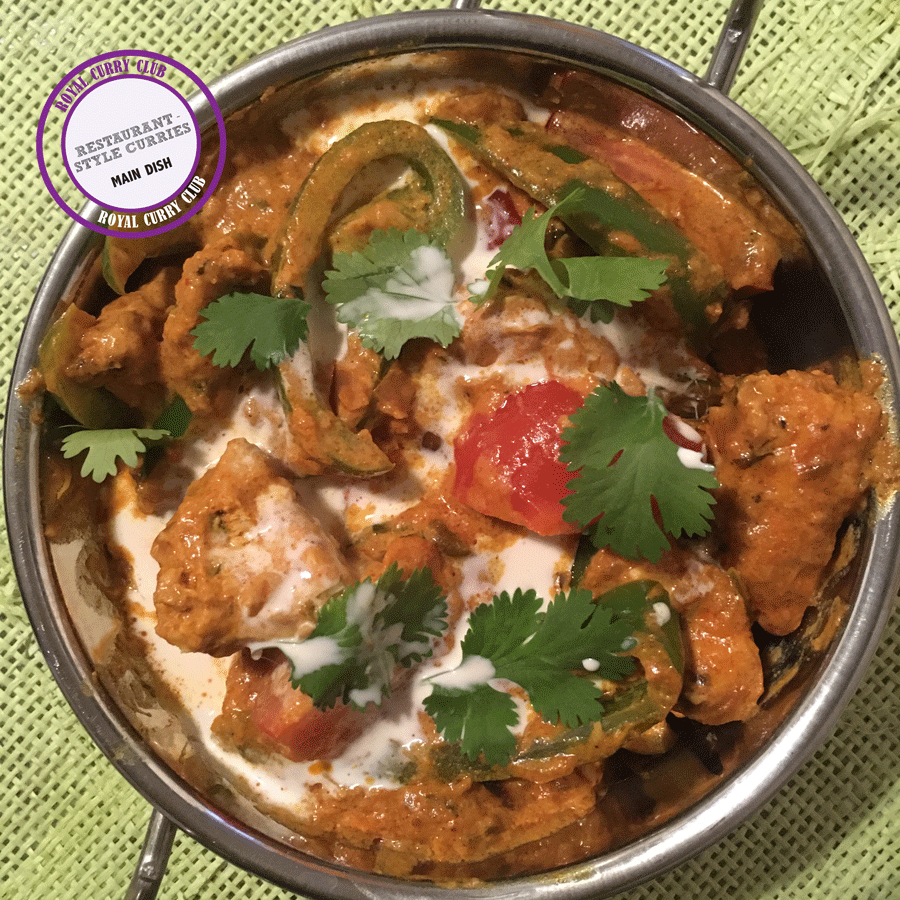
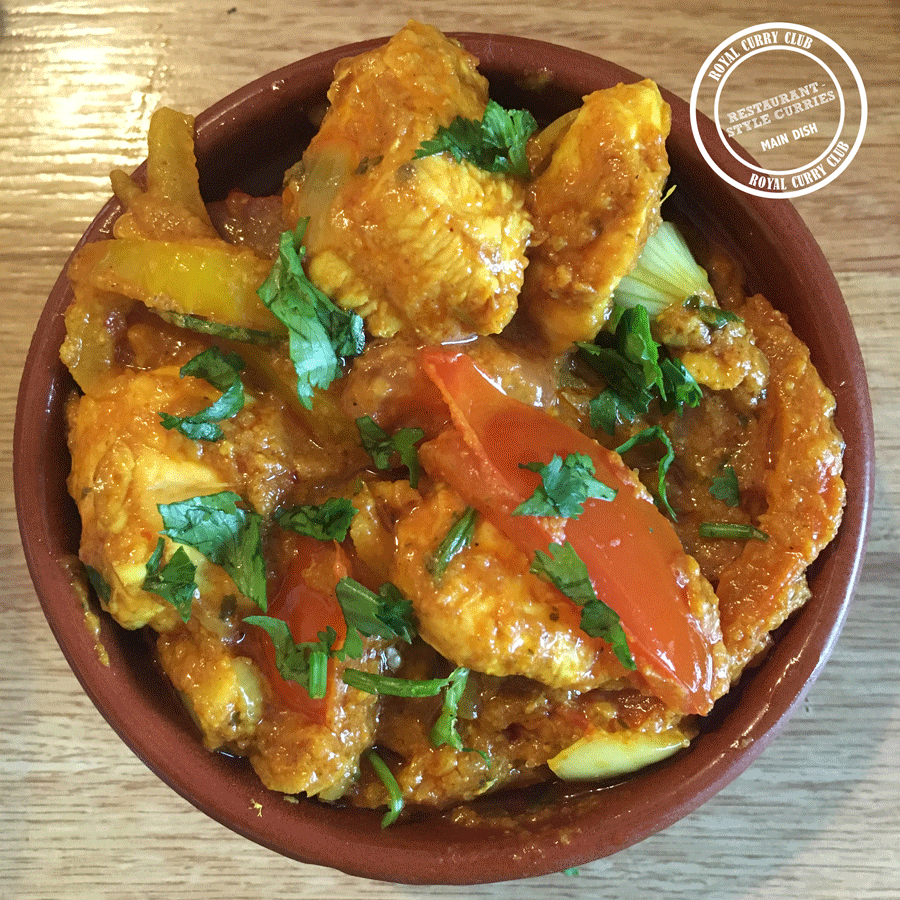
Jalfrezi was originally a stir-fry created by Bengali chefs working during the Raj-era. In true British restaurant-style it has evolved into something quite different from the original Chicken Jalfrezi, where the ingredients were cooked in their own juices. Restaurants add some Base Curry Sauce and mix it with different coloured peppers, onions, tomatoes and chillies to create a lovely range of tastes and colours. The dish can be cooked with a variety of main ingredients but Chicken Jalfrezi remains the most popular.

2. Biryani (Medium)

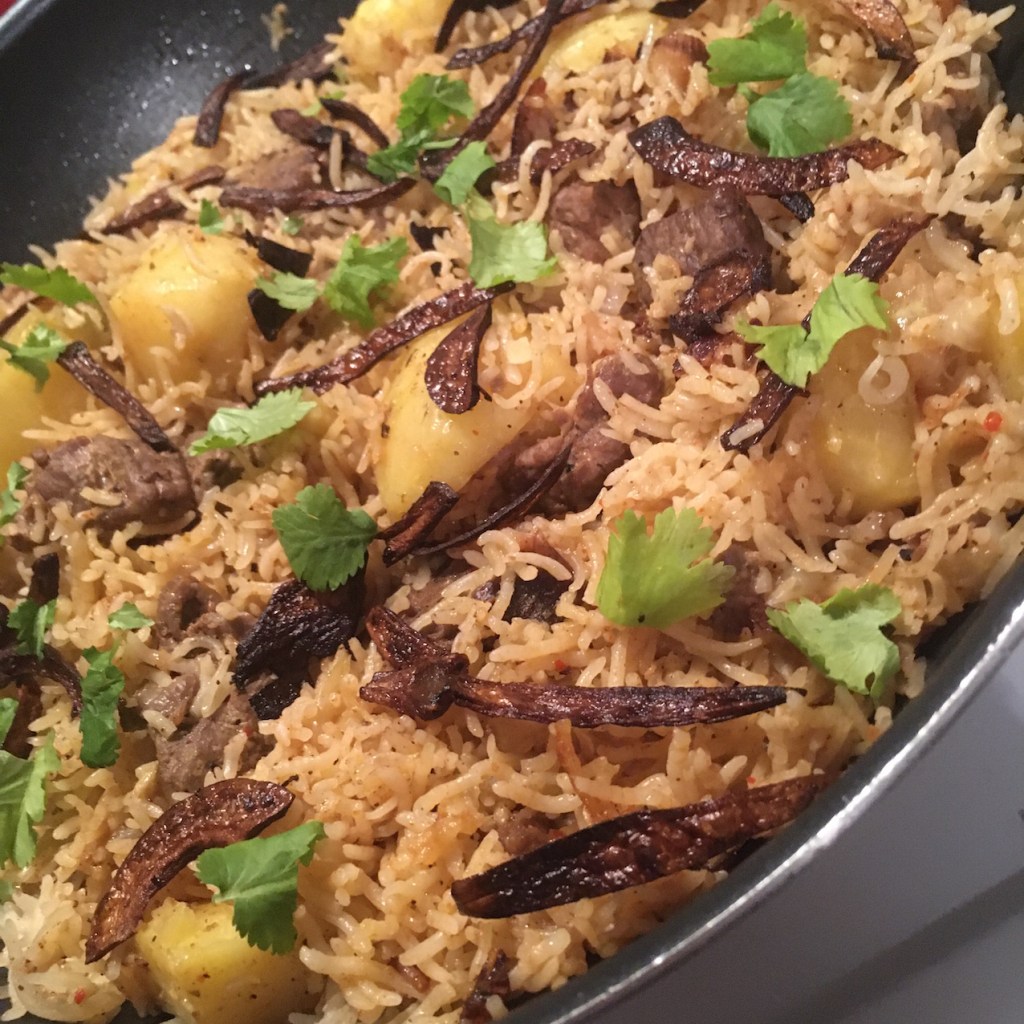
There are many different types of Biryani. The British-restaurant version is little more than pilau rice with some pre-cooked ingredients added to it. The authentic cooking method is very time consuming and few restaurants (or their customers) have the time for it. The South Indian Hyderbadi Pakki Biryani uses chunks of lamb (or mutton if you prefer) that is pre-cooked (Pakki) then added to the rice and steamed. It also includes cooked and fried chunks of potato and is finished off with saffron and fried onions.

3. Chicken Tikka Masala (Mild-Medium)

Often called Britain’s “national dish”, some people refuse to order anything else but Chicken Tikka Masala on a visit to an Indian restaurant. Chunks of Chicken Tikka are cooked with green peppers and tomatoes and simmered in a mix of Base Curry Sauce, Tikka Marinade, yoghurt and cream. The dish is widely accepted to have been created in Scotland, when an enterising chef realised the Chicken Tikka was too dry for his diners so he added some creamy masala sauce.

4. Madras (Hot)

Lamb Madras is one of the most-ordered dishes in Indian restaurants. Meaty chunks of lamb are cooked gently in the Base Curry Sauce that’s given an extra kick with the black peppercorns and chilli powder. Madras is another British Indian Restaurant creation and you certainly wouldn’t find it in Chennai (formerly called Madras). In the early days the restauranteurs simply used the name to mean a hot curry. They used Vindaloo to mean a very hot curry. Chicken Madras and Prawn Madras are also popular.

5. Korma (Very Mild)

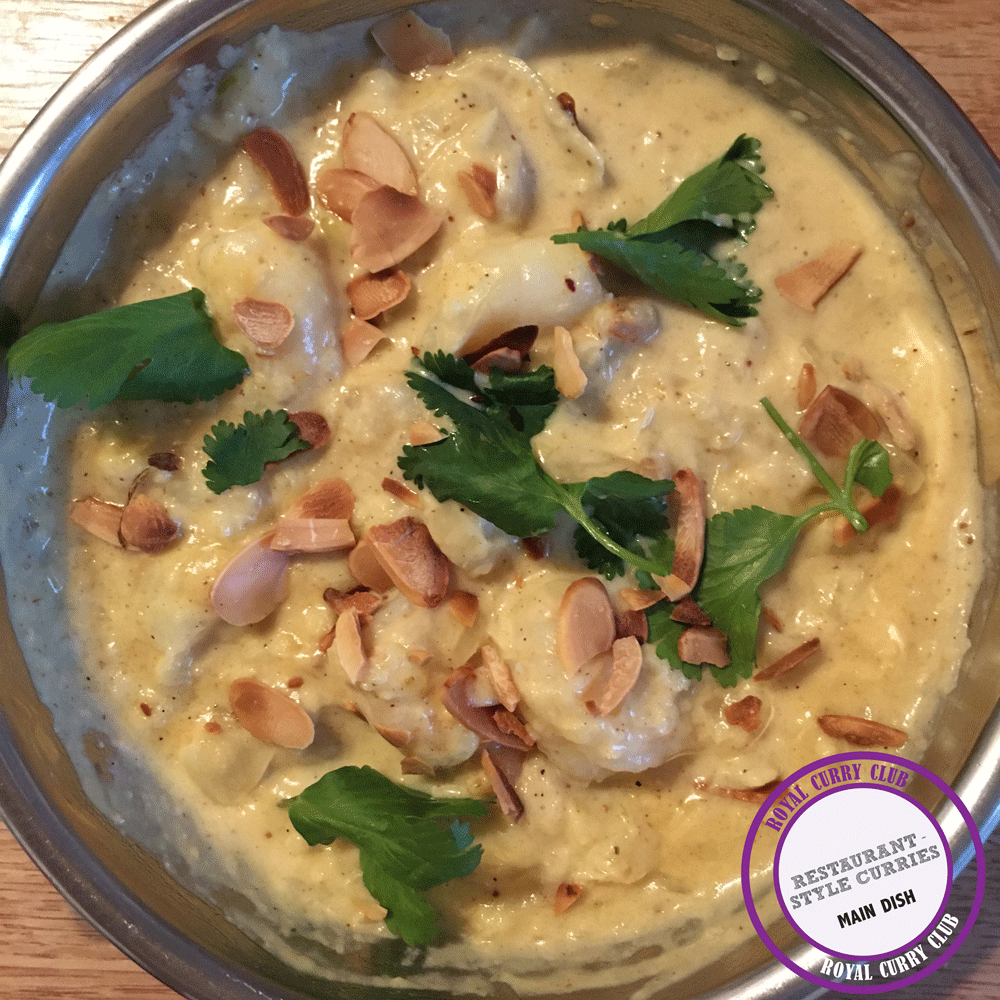
Having shaken off the reputation of being the “beginner’s curry”, the mild Korma is gaining in popularity again. And it’s no surprise that chicken is the preferred choice for this delicious dish. This recipe avoids the sickly sweetness and coconut dished up by some restaurants and mixes onions, yoghurt and cream to create a creamy smoothness. Chicken Korma and Paneer Korma are the favourites for diners.

5 Best Vegetarian Curries

Menus in India simply separate dishes under the headings ‘Veg’ and ‘Non-Veg’, and with an estimated 375 million vegetarians in India it’s no surprise that the ‘Veg’ section often contains more choices than its counterpart. Indian cuisine serves up some of the best vegetarian food in the world so it’s no surprise that it’s more than just the non-meat eaters who enjoy these favourite vegetarian curries.

Here are Five of the Best Vegetarian Curries.


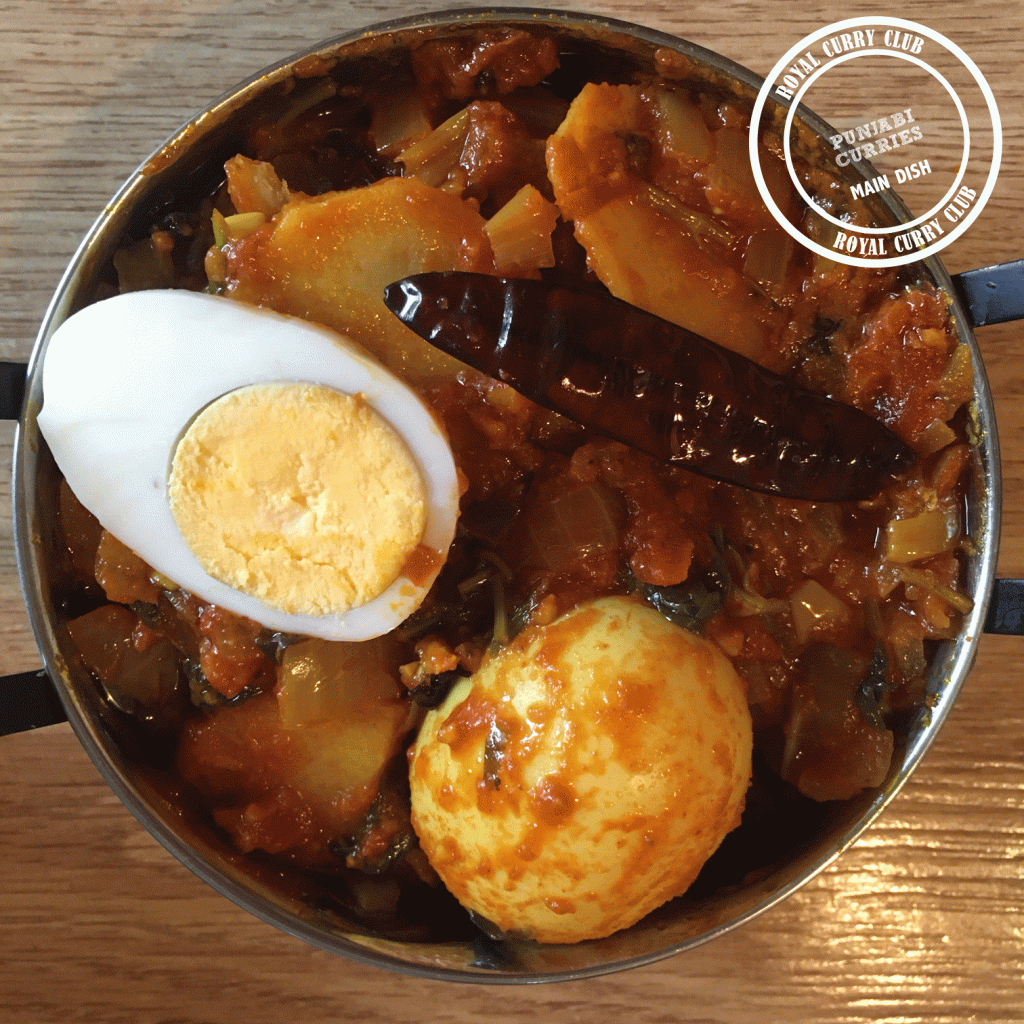
1. Egg and Potato Curry (Punjab)

Egg and Potato Curry is a hugely popular dish in India yet it’s difficult to find outside the sub-continent. This Punjabi-style recipe is easy to make. Boiled eggs are sealed in oil then added to a tomato sauce that has been infused with aromatic whole spices.

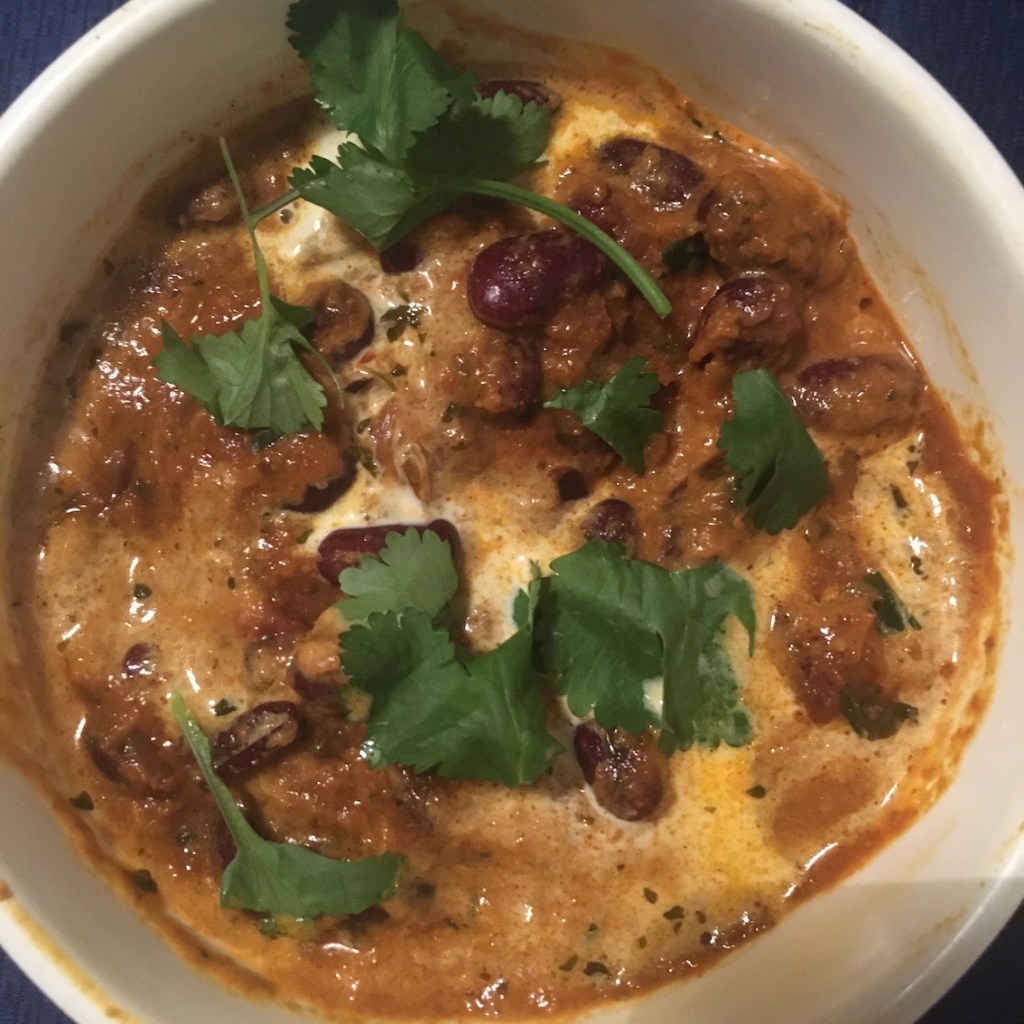
2. Rajma Curry (North India)

Rajma (red kidney bean) Curry is a hearty North Indian dish and makes a delicious, filling main meal or excellent side dish. The kidney beans require a bit of preparation but you can skip this by using canned beans if you don’t have time. Take a good serving of your Base Curry Sauce, add the kidney beans, add a bit of garlic and a sprinkle of spice for a great medium-strength curry. Garnish with cream and fresh coriander.

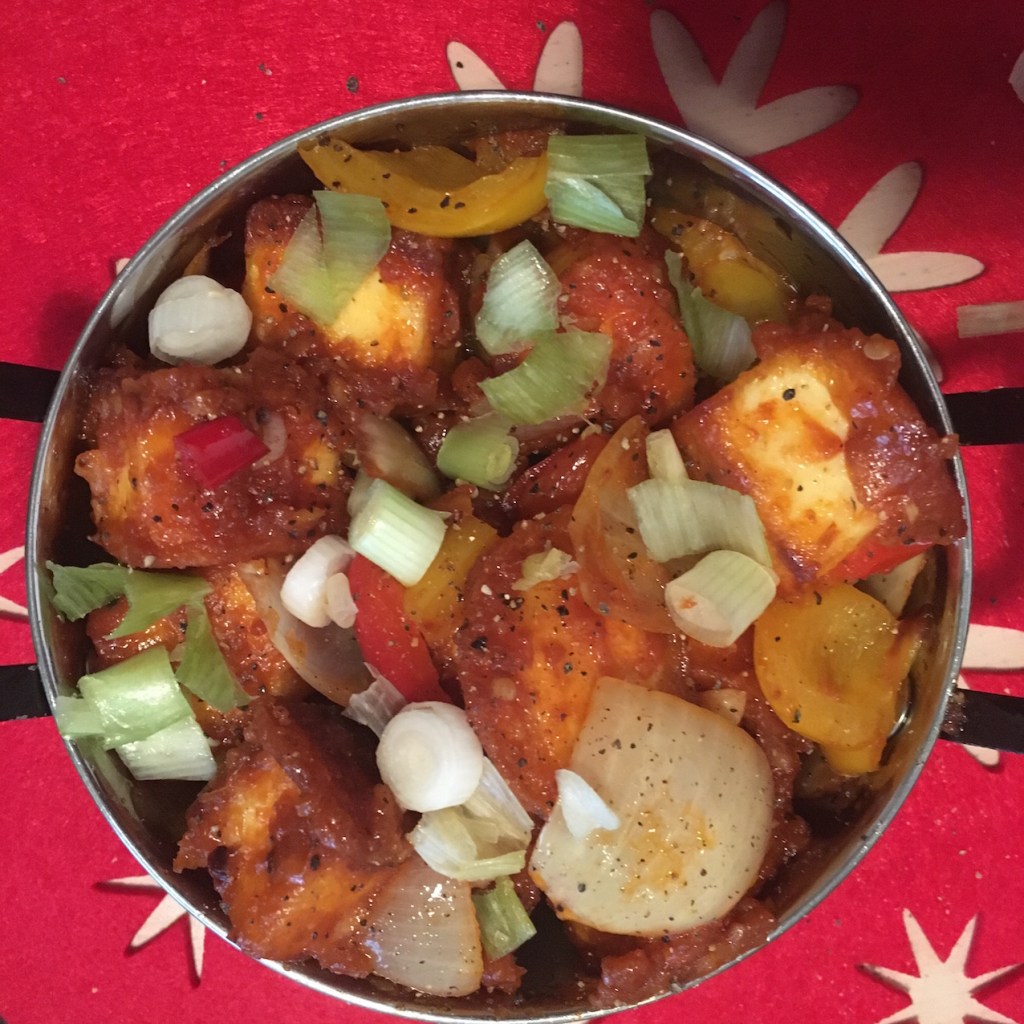
3. Manchurian Paneer (Indo-Chinese)

Manchurian Paneer is an Indo-Chinese dish that combines the flavours and cooking techniques of both India and China. The chunks of cheese are fried in a chilli batter then stir fried with garlic, ginger, pepper and spy sauce and top with spring onions. The cuisine emerged from a group of Chinese people, now numbering 2,000, in Kolkata (formerly Calcutta) and there are a number of restaurants serving the hybrid cuisine in Chinatown in the city.

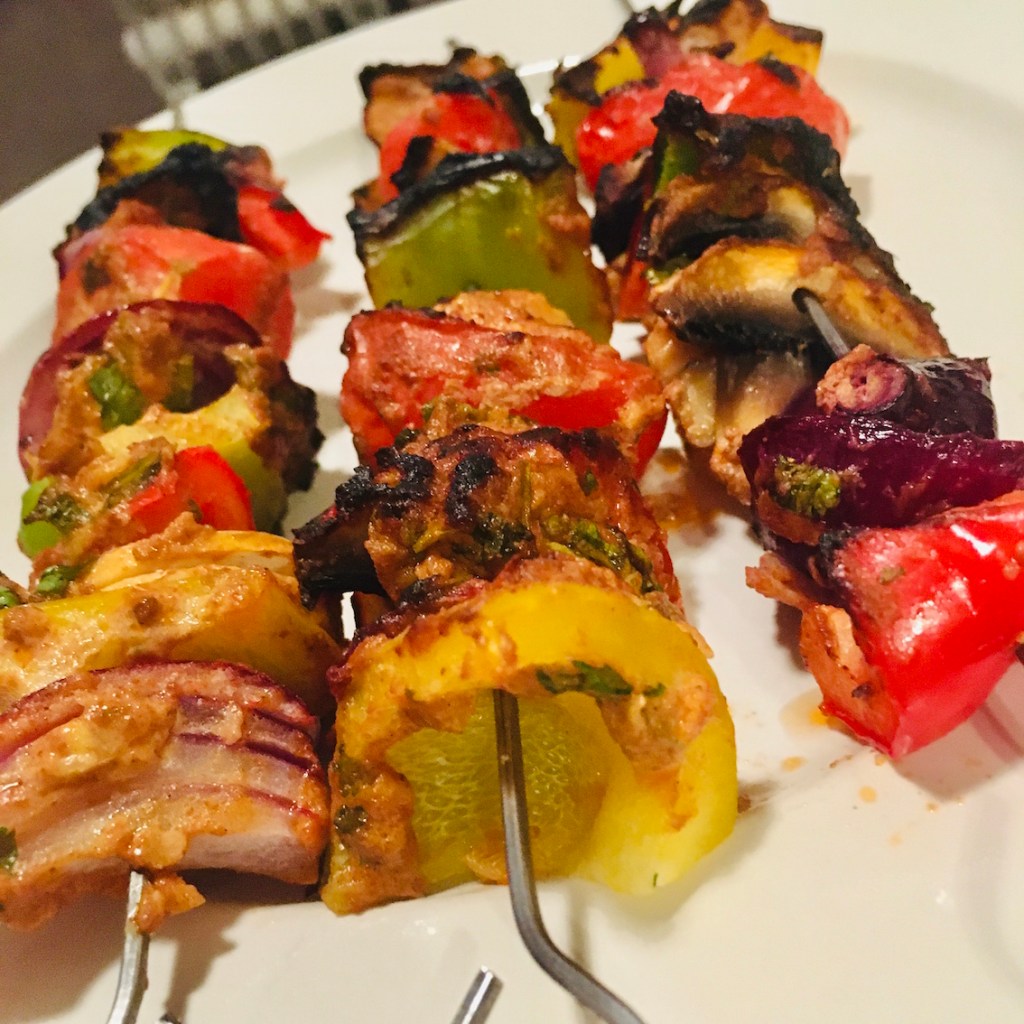
4. Vegetable Shashliks (North India)

Although originally from Central Asia these skewers are popular all over the sub-continent, especially in North India. This mix of mushrooms, peppers, tomatoes and onions, marinated in Tikka Marinade and grilled makes a fresh-tasting starter or you can double up the portion for tasty main dish. The trick is cook the Vegetable Shashliks just enough so they soften and the edges are charred.

5. Butter Paneer (North India)

Paneer works excellently with this favourite creamy, buttery and super moreish sauce. Fry the paneer chunks first so they are crispy on the outside add to the rich sauce and enjoy the perfect Butter Paneer. The dish will be much better if you make your own paneer.

5 Best Hot Curries

As any curry lover knows, there’s a lot more to Indian food than just hot dishes. But there comes a time when only a tongue-burning, lip-numbing, stomach-ripping curry will do. For some people this means the hotter the better as they tuck into their favourite hot curries. Can you handle it? “Yes, I want it hotter,” these heat loving curry fans cry. Heat is mainly provided from chillies and black pepper (this is what chefs used before chillies arrived on the sub-continent) but other ingredients such as garlic, ginger and paprika also provide heat. All we know is some people just can’t get enough of the heat and many continue to search for the world’s hotttest curry.

Here are Five of the Best Hot Curries.


1. Lamb Vindaloo (British Indian Restaurants)

Lamb Vindaloo is the favourite hot curry for food lovers who are after some serious heat. Originally a pork and vinegar dish from Goa, British restaurants took the name to represent a super spicy curry, although it is a lot less nuanced than the authentic version. The restaurant-style Vindaloo has heat from the peppercorns and chilli, sourness from the vinegar and includes the dish’s trademark chunks of potato.

2. Pork Vindaloo (Goa)

As the only state in India that is largely Catholic there are no taboos surrounding the use of pork in Goa. This Pork Vindaloo, like so many in this state, are a combination of Portuguese and India flavours and cooking styles. The result is a spicy dish with plenty of vinegar and is far removed from the British restaurant-style Vindaloo. • Recipe courtesy @thecurriedlondoner (Instagram)

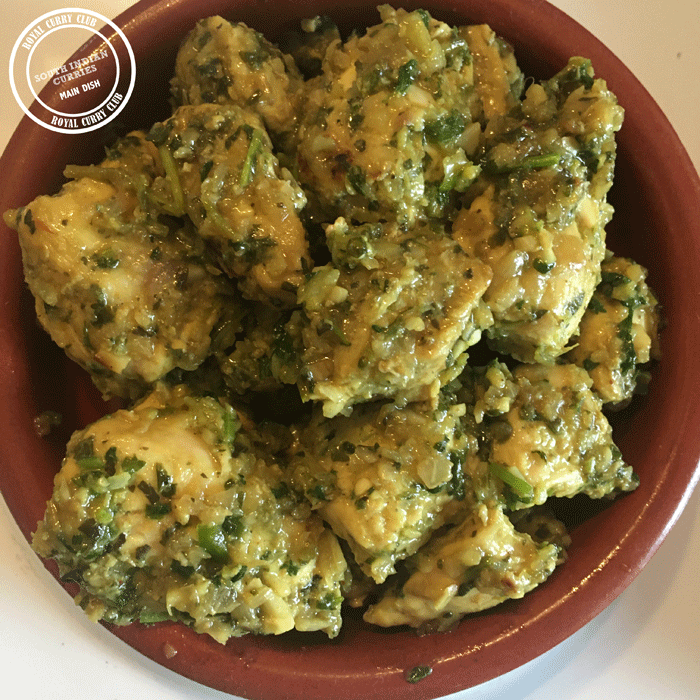
3. Green Chilli Chicken (Andhra)

Green in appearance and with plenty of green chillies, this South Indian dish is dryish and fiery in heat. Green Chilli Chicken is also sometimes Andhra Chilli Chicken as a nod to the heat from that neighbouring state. It’s a quick dish to make, with the chicken first marinated with the chillies, coriander, curry leaves, garlic, ginger and yoghurt, then added to a sauce of onions, tomato and mixed with spices.

4. Naga Chicken (Nagaland)

Nagaland is one of the smallest states in India with a population of fewer than two million people. Located in the far north-east of the country, bordering Myanmar (formerly Burma) it is famed for the super hot Naga Chilli and this Naga Chicken dish. Used in curries it gives a slightly sweet and tart flavour as well as fierce heat, producing a dish that is on par with a Vindaloo in the hot stakes.

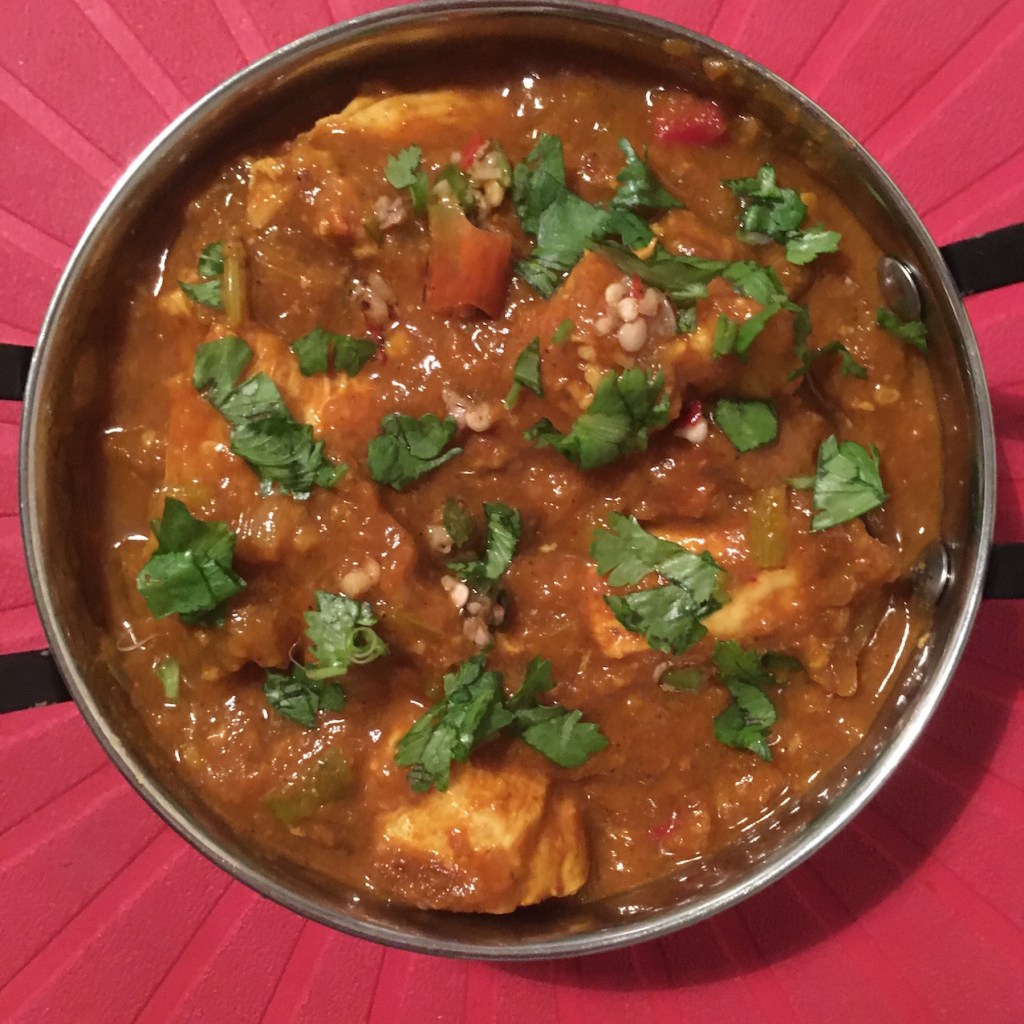
5. Ambot Tik (Goa)
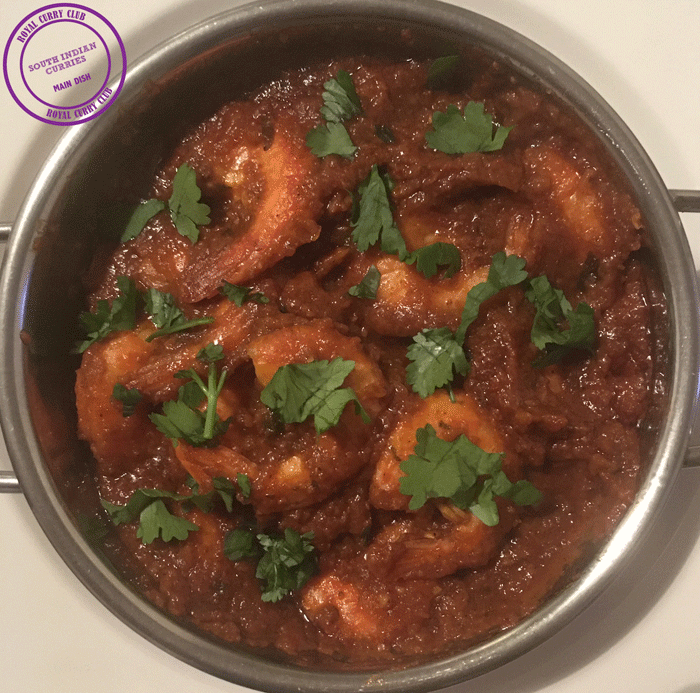
Ambot Tik is another hot and spicy dish from Goa that combines Portuguese and Indian flavours. It can be cooked with any any type of fish but popular choices are shark and prawns. If using the prawns keep their shells on to soak up the range of flavours. To cook this curry, first create the aromatic masala by dry frying spices, combine with a sauce of onions, tomatoes and tamarind and add the prawns.
How to cook… Fish Tikka

Serves 4 as a starter

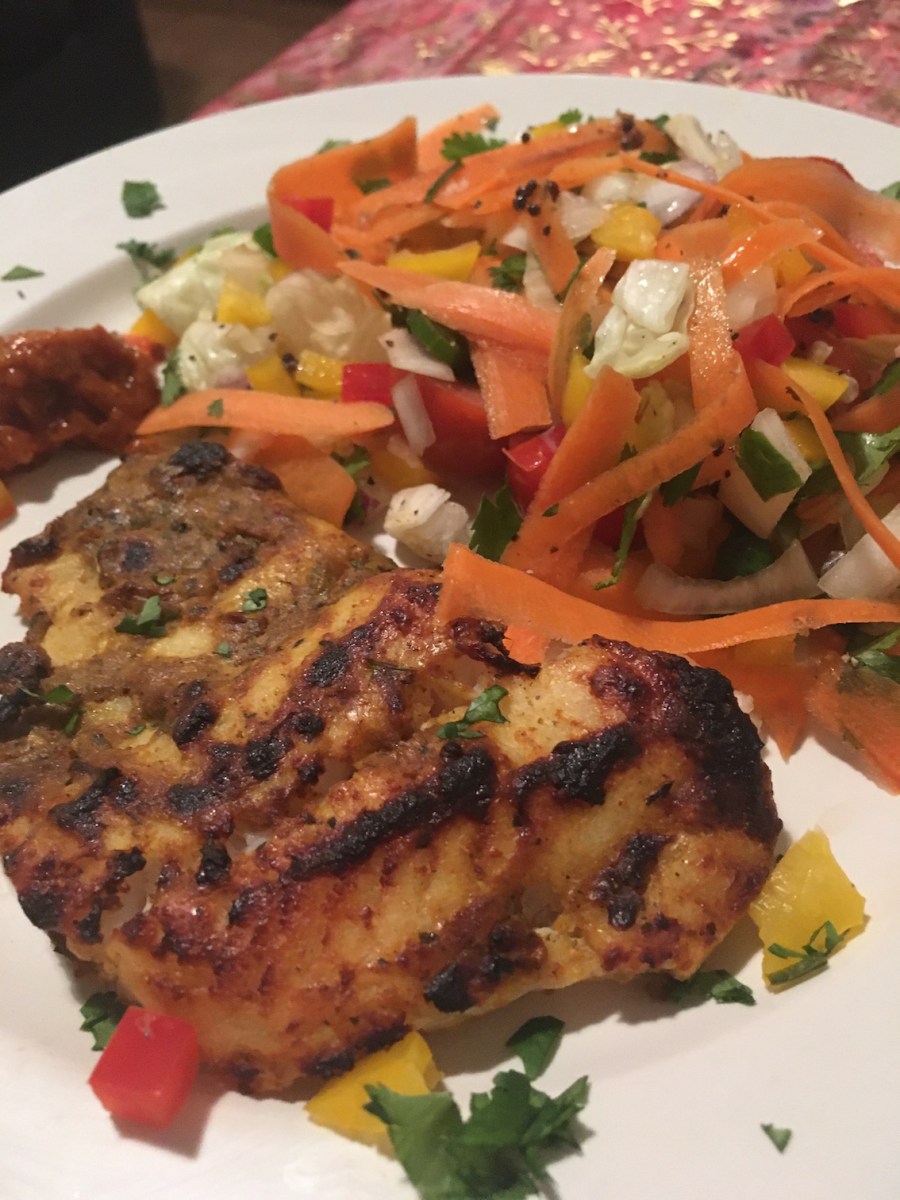
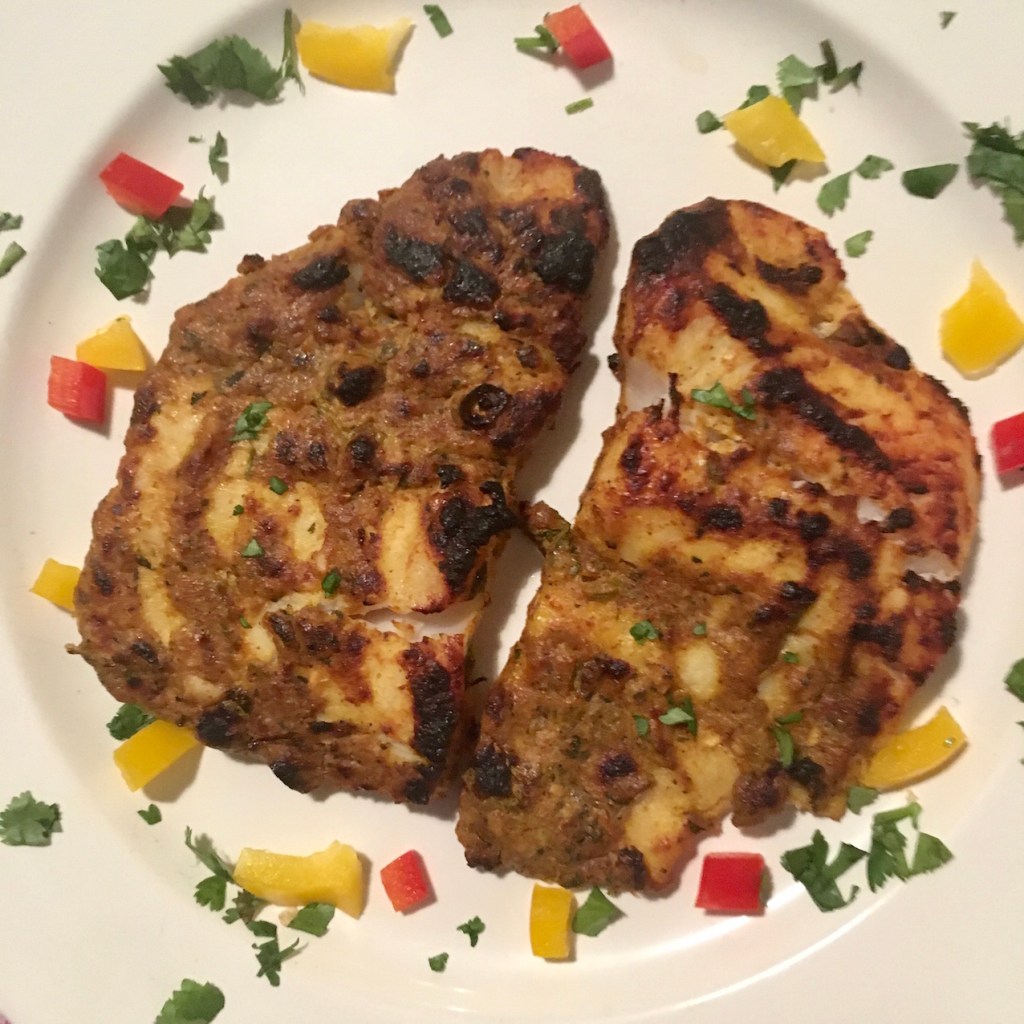
Fish Tikka is often overlooked for some of the more popular Tandoori recipes yet fish marinates really well and is quick and easy to cook. Fish makes a top Indian starter but also makes an excellent main dish if combined with Bombay Aloo and Spiced Indian Mixed Salad.

What you need…
• 4 white fish fillets, about 120-150g each
• 0.5 recipe of Tikka Marinade

How to make it
1. Pat the fish dry with a paper towel and coat the pieces in the Tikka Marinade. Leave for at least 15 minutes but preferably 24–48 hours.
2. Preheat your oven to 170 C. Place the pieces on a greased baking tray, ensuring all the pieces are kept well apart and cook, turning once, until the fish flakes with a fork and the marinade is crispy (about 20 minutes). Check one of the largest pieces to ensure it’s cooked. If not return to the oven.

CHEF’S TIP
To achieve those blackened edges the Indian restaurants get by cooking in the tandoor you can finish the fish off for a couple of minutes under a very hot grill. Just remove the fish from the oven a couple of minutes earlier.

If you like this you should try our
Sag PaneerChilli PaneerButter ChickenButter PaneerPrawn KormaMedium Chicken CurryChicken MadrasChicken VindalooChicken BhoonaChicken Dopiaza

Try this tandoori dish. It’s sure to go swimmingly.

How to cook… Mushroom Chilli Dry Fry

Serves 4 as a starter

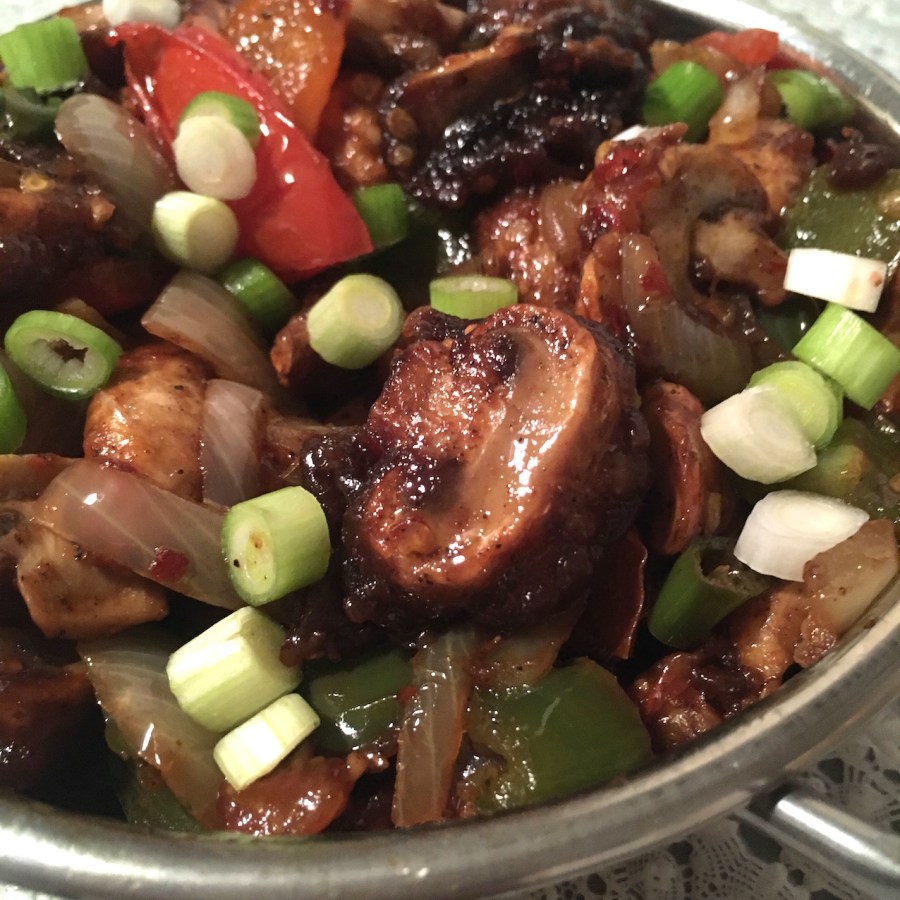
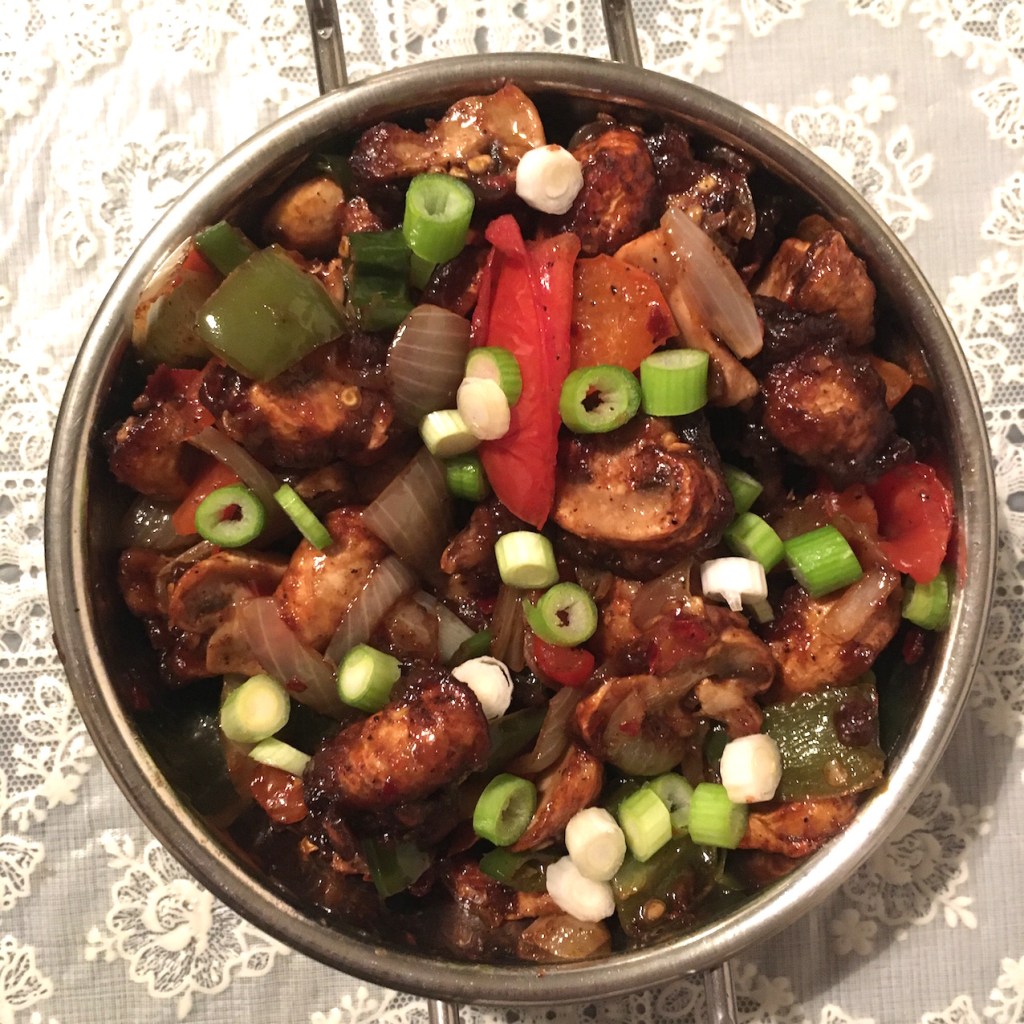
This is a popular vegetarian Indo-Chinese stir-fry dish, combining flavours from India and China. Mushroom Chilli Dry Fry is a favourite Indian restaurant starter and should be always be served fresh. It’s a very hot, dry dish using chilli and soy sauce.

What you need…
• 4 Tablespoons cornflour
• 5 Tablespoons soy sauce
• 600g mushrooms, sliced
• 3 Tablespoons oil
• 1 small onion, roughly chopped
• 1 green pepper
• 1–5 green chillies (to your taste), chopped
• 1.5 teaspoon ground black pepper
• 1 teaspoon red chilli flakes
• 2 tomatoes, roughly chopped
• 4 spring onions chopped, to garnish
• A few coriander leaves, chopped, for garnish


How to make it
1. Mix the cornflour with 3 Tablespoons of soy sauce and coat the mushrooms in the mixture. Marinate for 15 minutes.
2. Heat oil to a medium-hot heat. Fry the mushrooms until all the pieces are sealed (about 2–3 minutes), then set aside.
3. Add the green peppers to the pan and stir-fry until they start to soften (about 3–4 minutes).
4. Add the onions, chillies, pepper and chilli flakes and stir fry for another 2–3 minutes. Add a tiny bit of water if needed but not too much as this is a dry dish.
5. Add the rest of soy sauce and mix in well.
6. Add in the tomatoes and mushrooms and stir-fry until they are all cooked.
7. Garnish with spring onion and coriander and serve fresh.

CHEF’S TIP
Check other popular Indian restaurant dishes such as Chicken Chilli Dry Fry. Also known as Hakka Chinese, this distinct Indo-Chinese cuisine was developed by a small group of people who settled in Kolkota from China.

If you like this you should try our
Sag PaneerChilli PaneerButter ChickenButter PaneerPrawn KormaMedium Chicken CurryChicken MadrasChicken VindalooChicken BhoonaChicken Dopiaza

Don’t give this to someone who is struggling. You should never Kikkoman when he’s down.

How to cook… Stewed Taro Leaves

Serves 4 as a side dish

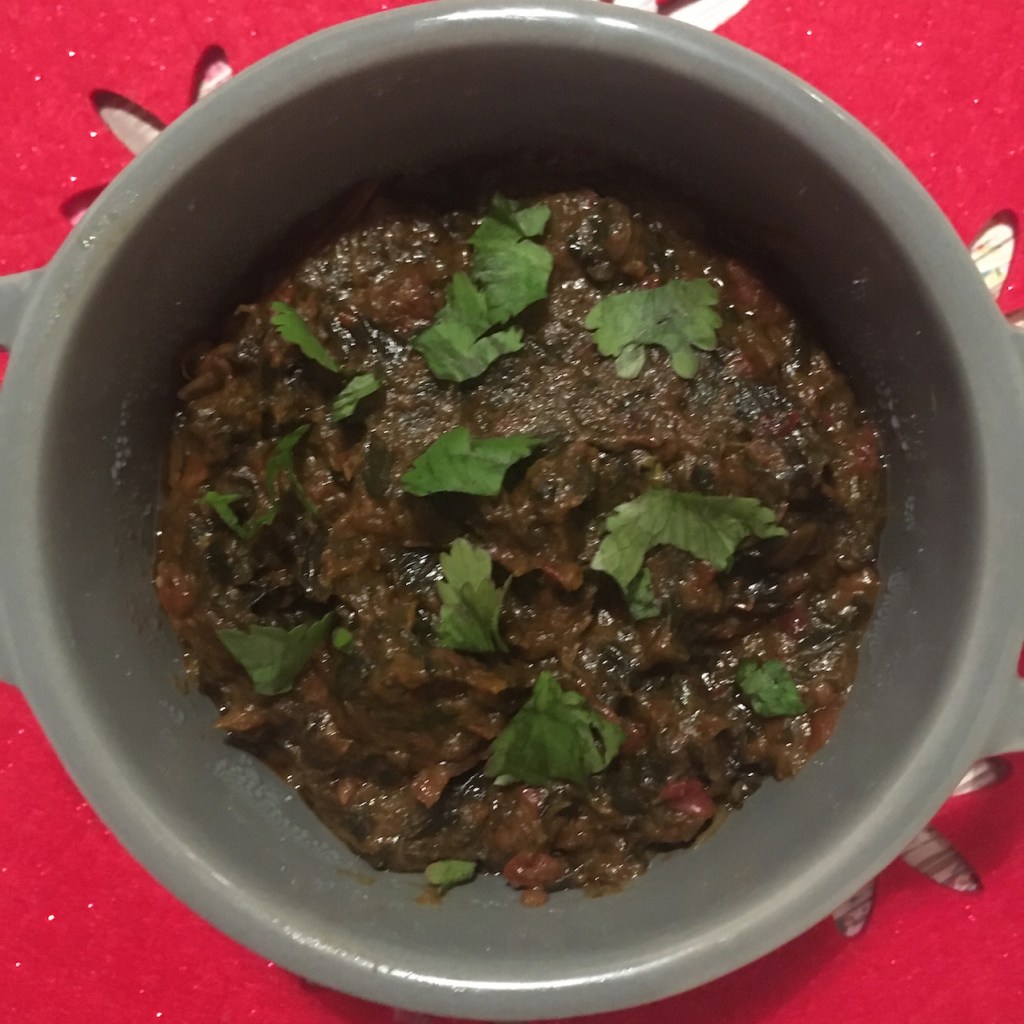
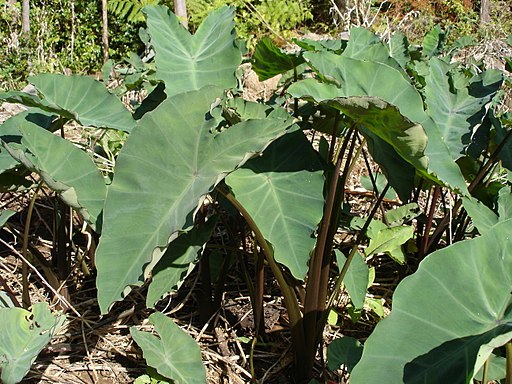
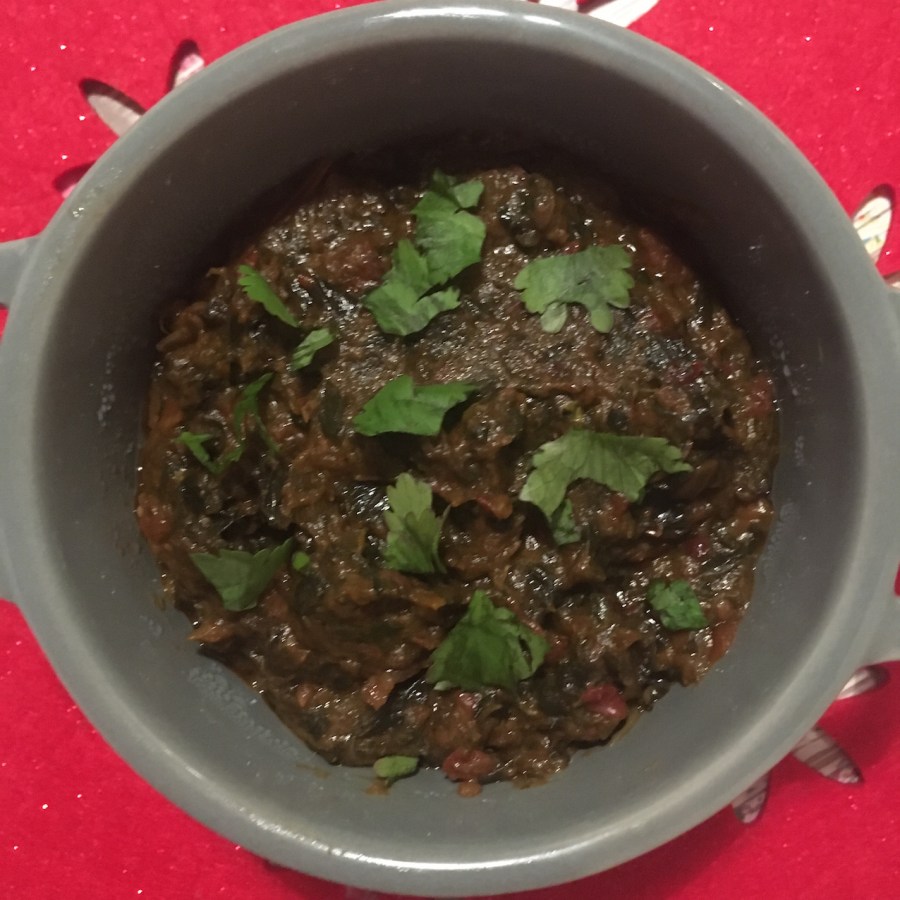
These Stewed Taro Leaves are a Mauritian dish that is served as an accompaniment. When stewed this tropical green leaves (also called kalo) turn a dark brown, almost black and are thick and delicious when cooked with onion, a few spices and tangy tamarind paste. Mauritians eat this as street food with a roti.

What you need…
• 20 stalks of taro with leaves. Peel the first layer, clean thoroughly and chop.
• 1 Tablespoon oil
• 0.5 onion, chopped fine
• 0.5 teaspoon garlic teaspoon
• 0.5 teaspoon ginger paste
• 1 teaspoon chilli flakes
• 0.5 teaspoon cumin seeds
• 5 curry leaves
• 1 Tablespoon tamarind paste
• Salt to taste
• 1 tomato, chopped
• A few coriander leaves to garnish


How to make it
1. Heat the oil in a pan to a medium pan and fry the onion, garlic and ginger until the onion softens (about 5 minutes)
2. Add the chilli flakes, cumin seeds and curry leaves, and cook for 3 minutes.
3. Add the taro leaves, tamarind paste, salt and a little water, cover the pan and cook for 15 minutes.
4. Add the tomato and cook until the colour darkens and is fully stewed (about 15–30 minutes). Add a little more water if needed but not too much as this should be served thick.
5. Garnish with the coriander leaves and serve.
• Photo of leaves by Thierry Caro, published in Wikipedia

CHEF’S TIP
Chop everything as fine as possible to speed up the stewing process.

Taro leaves growing in Reunion.

If you like this you should try our
Sag PaneerChilli PaneerButter ChickenButter PaneerPrawn KormaMedium Chicken CurryChicken MadrasChicken VindalooChicken BhoonaChicken Dopiaza

Don’t bother staring at the leaves. They won’t be able to tell you your future.