

If football teams were curries…

• Spurs would be a popadom… gets everyone excited by them at the start but is never there at the end.
• Southampton would be a Bombay Potato… no-one dislikes it and everyone else nicks the best potatoes.
• Manchester United would be a Korma… a lot of people adore it but everyone else hates it.
• Chelsea would be a Chicken Tikka Masala… there’s no denying it’s delicious but a lot of people say the dish only has recent history.
• Manchester City would be a King Prawn Karahi… ridiculously expensive but it still doesn’t completely deliver the goods.
• Leicester City would be a Jalfrezi… came from nowhere to become unexpectedly popular.
• Arsenal would be a Fish Curry… one week it tastes great but the next week it’s rubbish.
• West Ham would be a Phall… eat it and you’ll be forever blowing bubbles.
• Sheffield United would be a Keema Muttar… underrated but a lot tastier than you think.
• Aston Villa would be a Ceylon Curry… some older people remember when it was good.
• Burnley would be a Tandoori Mixed Grill… ridiculously tough to eat.
• Bournemouth would be Chicken Tikka starter… small but very impressive.
• Liverpool would be a Biryani… a dish that takes for ever to come good but when it does it’s fantastic.
• Everton would be a Basmati Rice… forever wanting to be as tasty as the Biryani.
• Newcastle United would be a Vegetable Curry… a lot of people keep ordering it every week no matter how much it disappoints them.
• Brighton would be a Bhoona… it’s ok if nothing else is on the menu at lunchtime.
• Watford would be a Vindaloo… capable of causing an upset.
• Wolves would be a Chicken 65… been around for years and still golden.
• Crystal Palace would be a Sizzling Lamb… fans of it make a lot of noise considering the dish rarely does anything.
• Norwich would be a kulfi… usually at the end of the menu.

Photo by Artem Beliaikin on Pexels.com
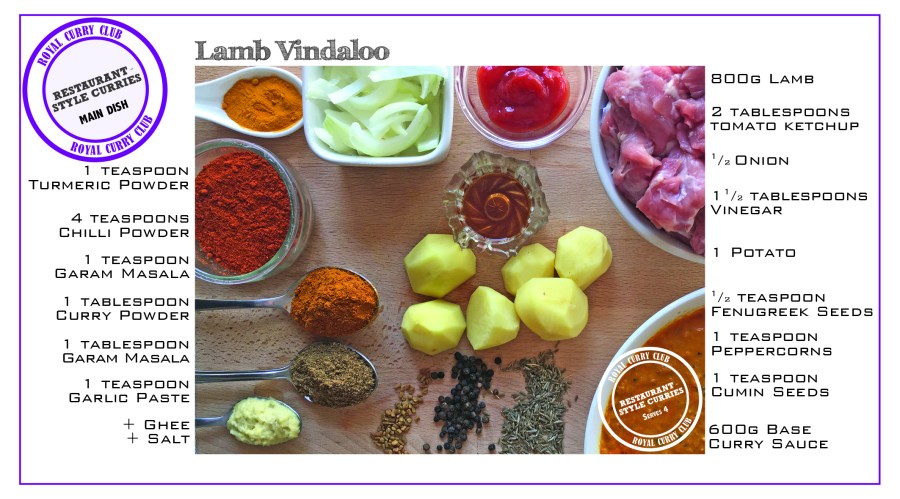
How to cook… Lamb Vindaloo

Serves 4 as a main dish

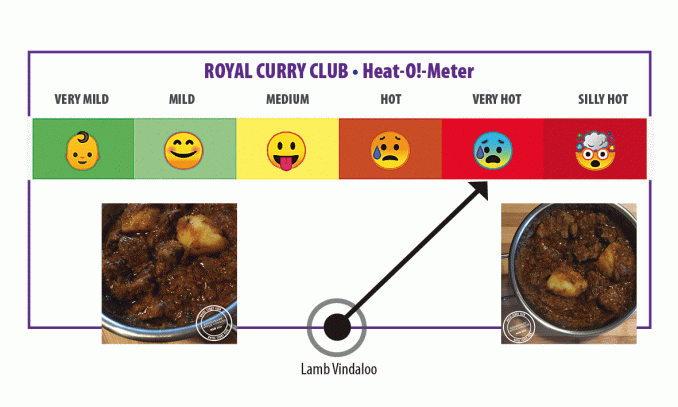
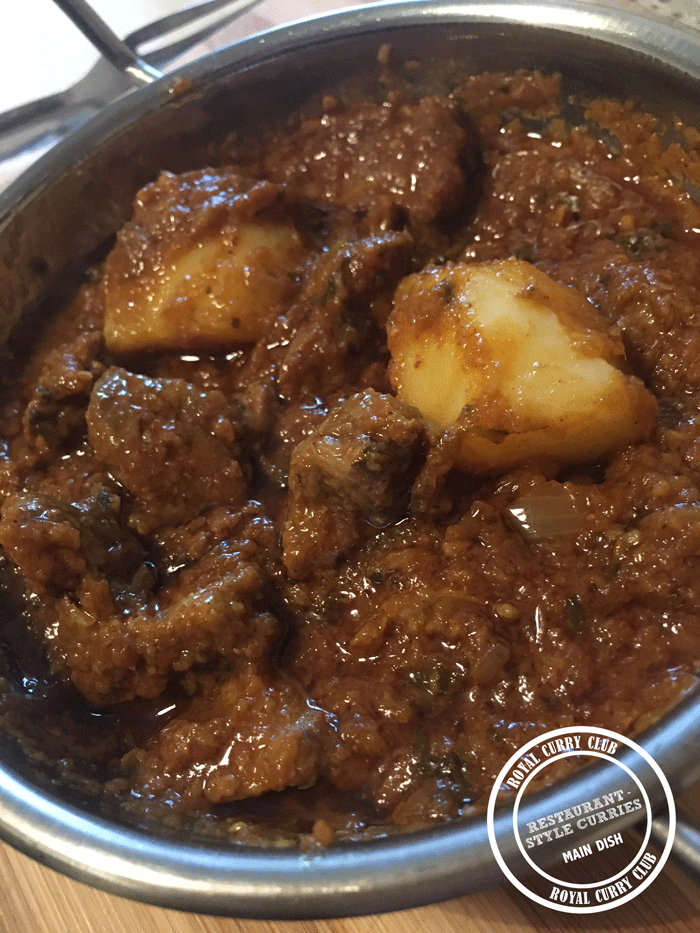
Lamb Vindaloo is for curry lovers who are after some serious heat. The restaurant-style Lamb Vindaloo has heat from the peppercorns and chilli, sourness from the vinegar and includes it’s trademark chunks of potato in a thick, dark sauce.

What you need…
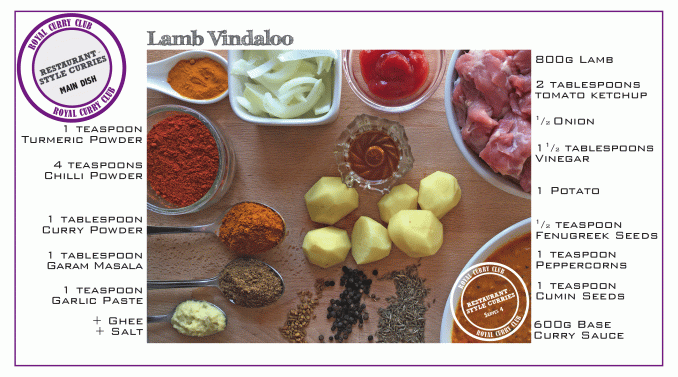
• 1 large potato, cut into 5cm chunks (you should have 6-8 of them)
• 2 Tablespoons ghee
• 1 teaspoon garlic paste
• 800g lamb, cut into bite-sized pieces
• 600ml Base Curry Sauce
• 2 Tablespoons tomato ketchup
• salt to taste
• 0.5 onion sliced
• 1.5 Tablespoon vinegar

Spice Mix 1
• 1 teaspoon cumin seeds
• 1 teaspoon peppercorns
• 0.5 teaspoon fenugreek seeds

Spice Mix 2
• 1 Tablespoon curry powder
• 4 teaspoons chilli powder
• 1 teaspoons turmeric powder
• 1 Tablespoon garam masala


How to make it…
1. Boil the potato chunks until cooked. Set the potatoes aside once cooked.
2. Heat the ghee to a high heat. Add the Spice Mix 1 and fry for 15 seconds. The spices should sizzle immediately when you add them to the ghee. You can test it is hot enough by adding one cumin seed.
3. Add the garlic paste and cook for 1 minute on a lower heat. You may have to remove the pan from the heat for a while to the paste burning. (If it burns then throw it away and start again.)
4. Add the lamb and stir fry until sealed (about 2–3 minutes).
5. Add the Base Curry Sauce and cook for 20 minutes, stirring occasionally and adding water as needed to avoid it sticking.
6. Add the Spice Mix 2 and tomato ketchup, mix well and cook for 20 minutes.
7. Add the salt, onion and vinegar and continue cooking until the lamb is tender (about 5 minutes). Add water, as needed, to maintain the consistency.
8. Finally, add the cooked potato pieces, make sure they are coated in the sauce but be careful not to break the pieces up, and serve.


CHEF’S TIP
Add water to this dish as it cooks to maintain the consistency but don’t overdo it because you want a thick, dark sauce when it is served.
Lamb Vindaloo, extra hot in a dark, rich sauce.

If you like this you should try our…
Lamb Madras • Chicken Phall • Medium Chicken Curry • Chicken Madras • Chicken Vindaloo •Chicken Bhoona

Check out 5 Best Goa Curries

Where do chillies live? … Scoville.

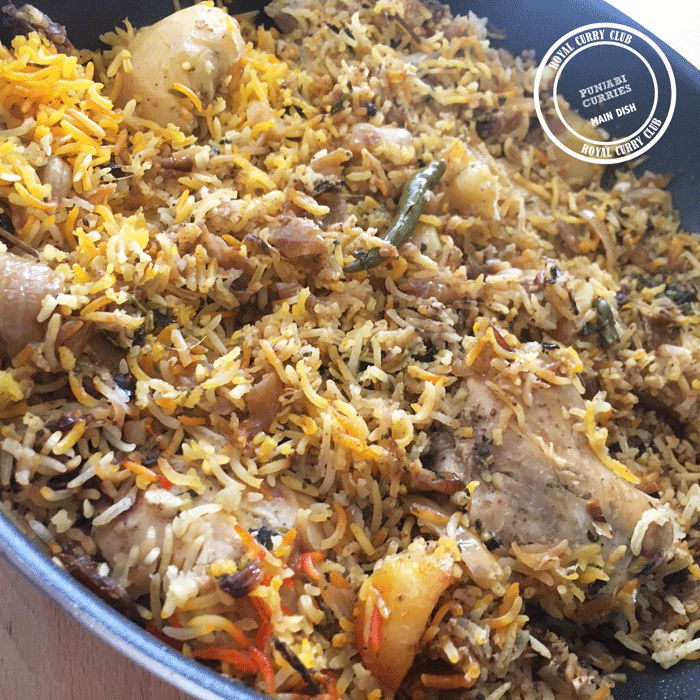
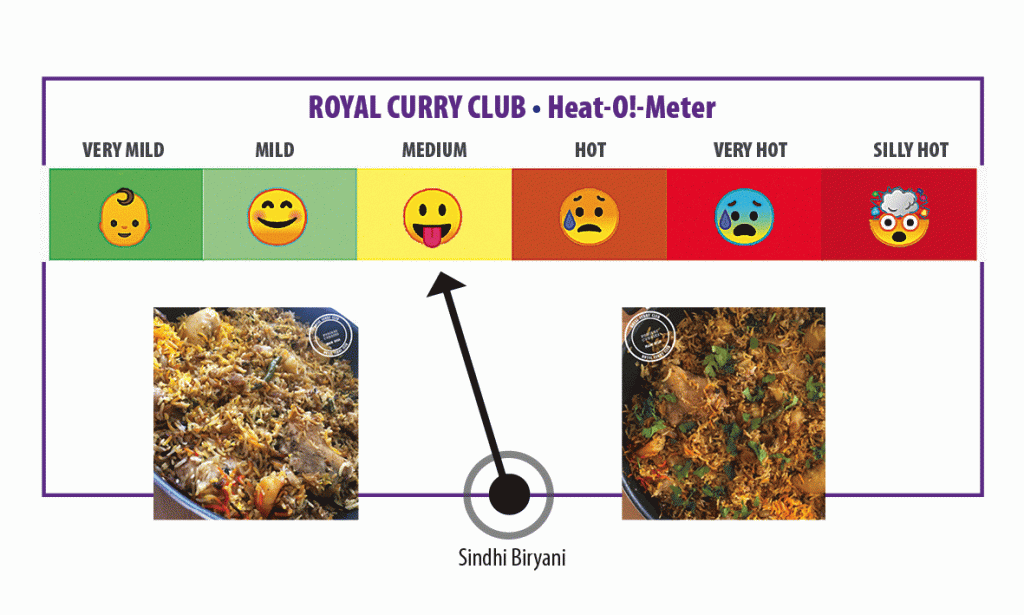
How to cook… Sindhi Biryani

Serves 4 as a main dish

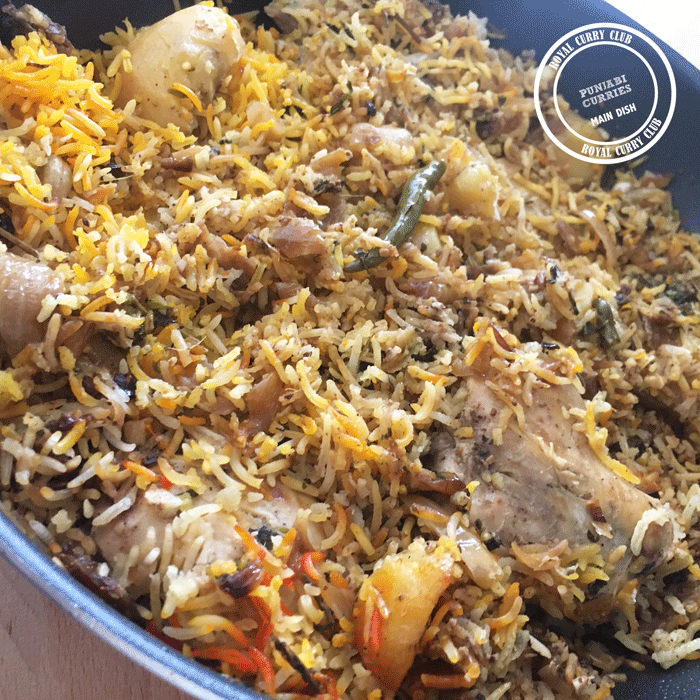
Biryani is a rice-based dish, where all the spices, meat and vegetables are slowly cooked together over a long period of time. Although Biryani is a popular dish all over the world there are many variations – this is the version from the Province of Sindhi in Pakistani Punjab.

What you need…
• 400g potatoes, cut into 4cm chunks
• 2 drops yellow colouring
• 10 Tablespoons ghee• 2 onions, roughly chopped• 1 teaspoon ginger paste
• 1 teaspoon garlic paste
• 500g chicken thighs and legs, on the bone
• 1 teaspoon salt
• 250g yoghurt
• 4 tomatoes, cut into halves
• 100g plums
• small handful coriander leaves, roughly chopped
• 5 mint leaves, roughly chopped
• 5 green chillies, with a small slit in each
• 300g rice
• 3 Tablespoons rose water
• 0.5 teaspoon nutmeg powder

Spice Mix
• 2 cloves
• 2 cardamoms (cracked but not crushed)
• 10cm piece cinnamon stick
• 1 teaspoon cumin seeds
• 1 Tablespoon chilli powder
• 1 Tablespoon turmeric powder


How to make it…
1. Boil the potatoes in water with a drop of yellow colouring until they are nearly cooked. Drain the potatoes and pat dry with a paper towel.
2. Heat 1 Tablepoon ghee to a medium heat and fry the potatoes until they are crisp and starting to brown. Remove the potatoes and set aside.
3. Add 2 Tablespoons ghee and the onions, and fry until golden brown.
4. Add the ginger paste, garlic paste and the chicken, and stir fry for 5 minutes.
5. Add the Spice Mix and salt and cook for 3 minutes.
6. Add the yoghurt and fried potatoes, mix well, cover and simmer for 10 minutes.
8. Add the tomatoes, the plums, coriander leaves, mint leaves and chillies, and mix well. Remove the pan from the heat.
9. Wash the rice until the water is clear. This will take 6–7 washes, maybe more. Boil the rice in fresh water, with a little salt, until cooked.
10. Drain the rice andspread it evenly on top of the chicken mixture.
11. Dissolve a drop of yellow colour in rose water and spread it, with the rest of the ghee, on top of rice. Allow this to dissolve for 30 seconds. Sprinkle the nutmeg powder on top of the mixture.
12. Return the pan to a medium heat and simmer, covered, for 8 minutes.
13. Remove the cover, allow the steam to escape for a couple of minutes and serve.
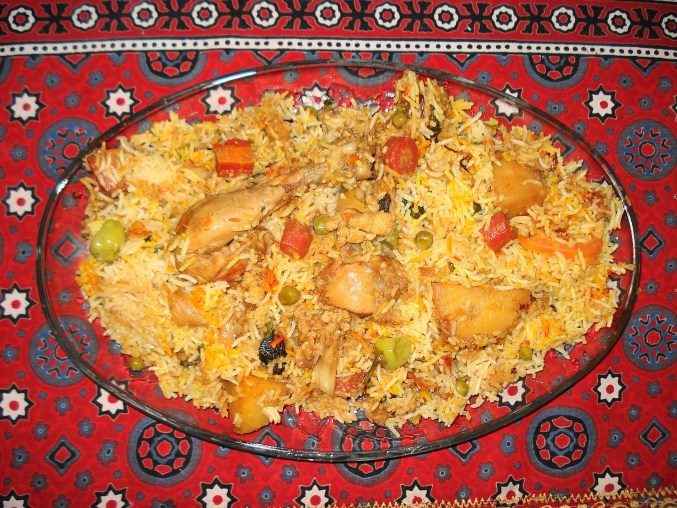
• Recipe courtesy of Zaynub Mahmood. Photo below: Miansari66 CCA.

CHEF’S TIP There are quite a few ingredients in this dish so get everything ready before you start cooking.

If you like this you should try our…
Medium Chicken Curry • Chicken Madras • Chicken Vindaloo • Chicken Bhoona

Never rush a biryani… it’s not a rice.

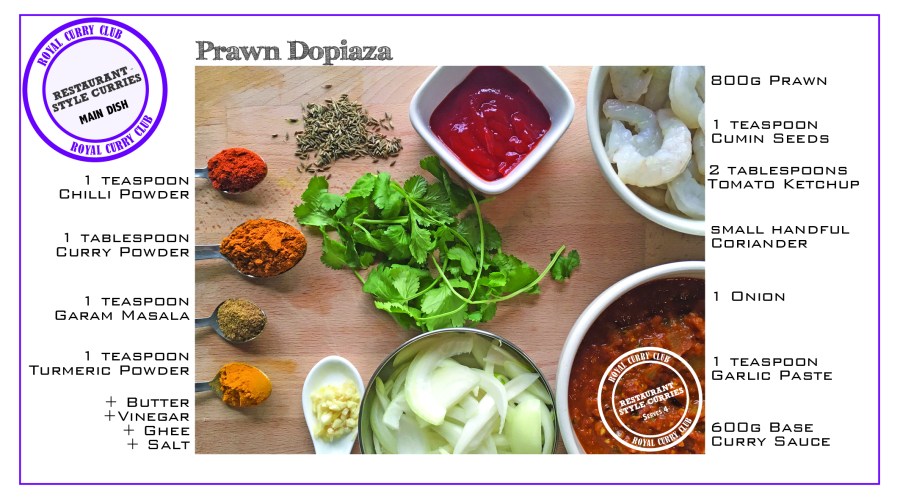
How to cook… Prawn Dopiaza

Serves 4 as a main dish

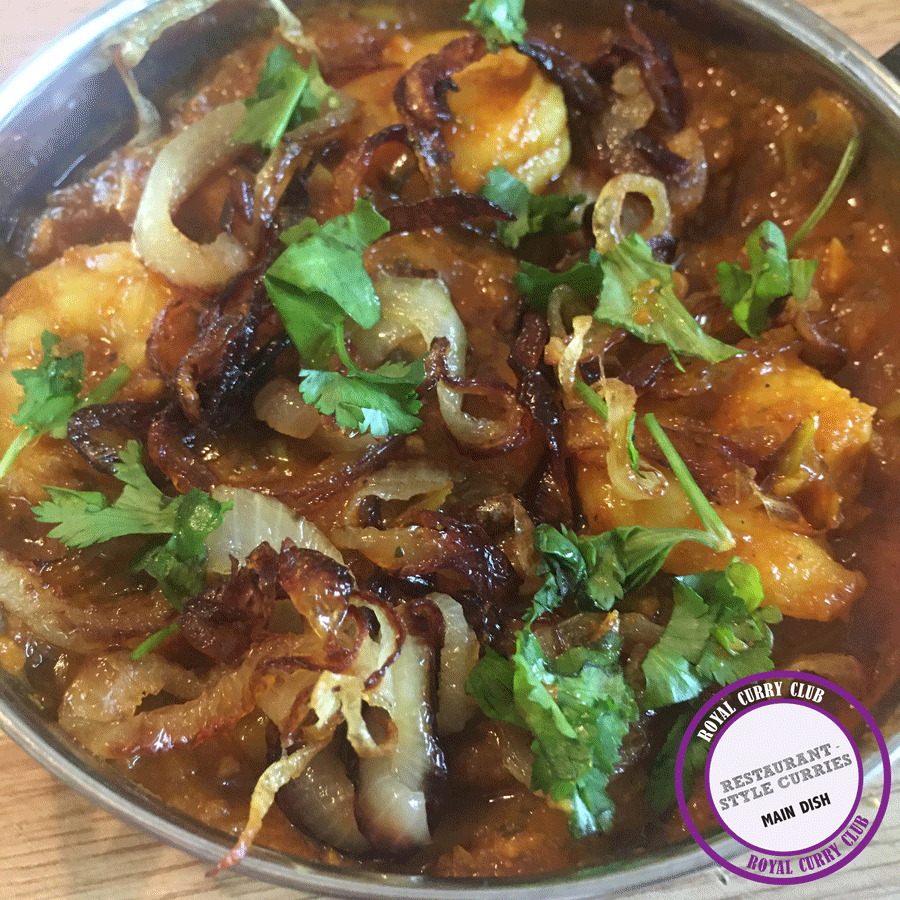
Originally a dish from Persia, Dopiaza means ā€œtwo onionsā€ and gives it name to this curry because onions are used twice in the recipe (in the Base Curry Sauce and towards the end when the fried onions are added). You’ll need to quickly seal the prawns in butter and brown the onions first, then create the sauce before re-adding the prawns and fried onions again at the end.

What you need…
• small knob of butter
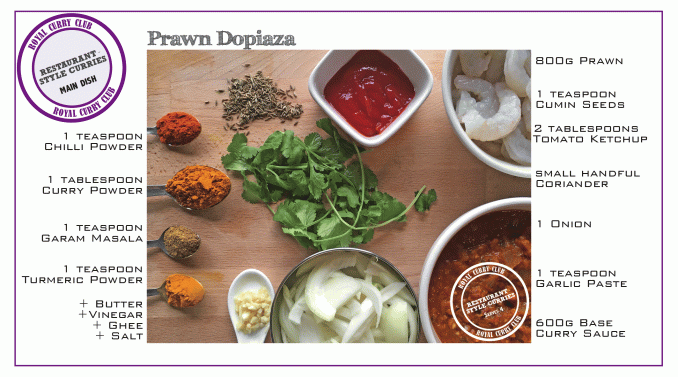
• 800g prawns, shelled and deveined
• 3 Tablespoons ghee
• 1 onion, sliced
• 1 teaspoon cumin seeds
• 1 teaspoon garlic paste
• 600ml Base Curry Sauce
• 2 Tablespoons tomato ketchup
• small handful fresh coriander (chop up the stems to add to the curry and set aside the leaves for garnish)
• 1 teaspoon garam masala
• salt to taste

Spice Mix 1
• 1 Tablespoon mild curry powder
• 1 teaspoon turmeric powder
• 1 teaspoon chilli powder
• 1 teaspoon vinegar


How to make it…
1. Heat the butter to a medium heat. While it is heating up mix the Spice Mix with the vinegar and enough water to form a sloppy paste.
2. Add the prawns to the butter and stir fry until they are pink. This should take about 2 minutes. Remove the prawns from the pan and set aside.
3. Heat 1 Tablespoon ghee to a medium heat and stir fry the onions until they are starting to brown. Remove them from the pan and set aside.
4, Heat the rest of the ghee to a high heat. While it is heating up mix the Spice Mix with the vinegar and enough water to form a sloppy paste.
5. Add the cumin seeds and fry for 15 seconds. They should sizzle immediately. You can test the ghee is hot enough by adding one seed.
6. Add the garlic paste and cook for 1 minute on a lower heat. You may have to remove the pan from the heat initially to stop the paste burning. (If it burns then throw it away and start again.)
7. Add the Spice Mix paste and cook for 2 minutes. It should now be thick and gloopy.
8. Add the Base Curry Sauce and the tomato and cook for 2 minutes.
9. Add the prawns, mix well and cook for five minutes.
10. Add the garam masala, salt, coriander stems and prawns and cook for 2 minutes.
11. Add the fried onions and continue cooking until the prawns are fully cooked.
12. Serve, garnished with the coriander leaves.


CHEF’S TIP
Caramelising the onions creates a sweet and slightly sticky dish so it’s complemented nicely with a spicy chilli pickle or tart lime pickle on the side.

If you like this you should try our…
Medium Chicken Curry • Chicken Madras • Chicken Vindaloo • Chicken Bhoona

Last time I was in a fruit and veg shop the owner told me that his onions could sing a Bee Gees song. I had to stay a bit longer to listen but then I noticed it was just the chives talking.

How to cook… Chicken Dopiaza

Serves 4 as a main dish

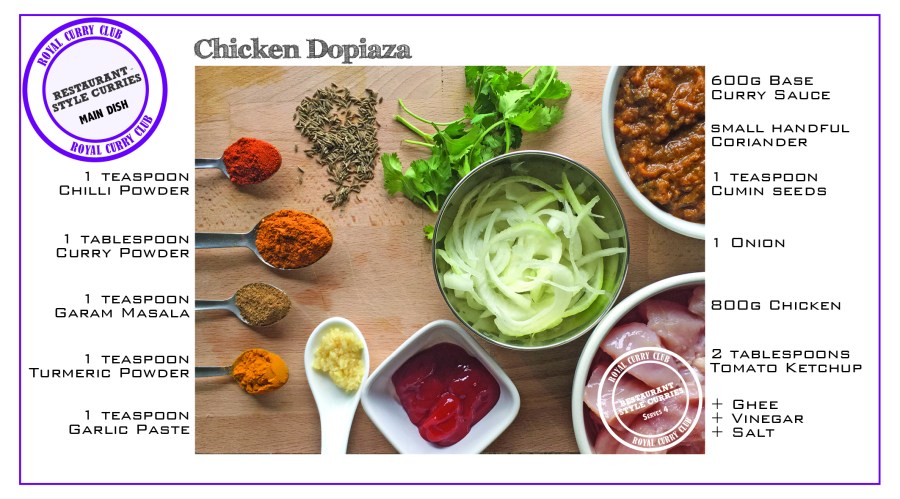
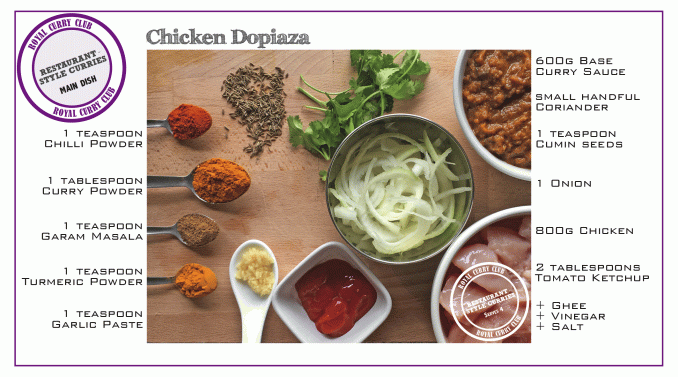
Dopiaza is the restaurant favourite for onion lovers. Originally a dish from Persia, Dopiaza means ā€œtwo onionsā€ and gives it name to this curry because onions are used twice in the recipe (in the Base Curry Sauce and towards the end when the fried onions are added).

What you need…
• 3 Tablespoons ghee
• 1 onion, sliced
• 1 teaspoon cumin seeds
• 1 teaspoon garlic paste
• 600ml Base Curry Sauce
• 2 Tablespoons tomato ketchup
• 800g chicken, cut into bite-sized pieces
• small handful fresh coriander (chop up the stems to add to the curry and set aside the leaves for garnish)
• 1 teaspoon garam masala
• salt to taste

Spice Mix 1
• 1 Tablespoon mild curry powder
• 1 teaspoon turmeric powder
• 1 teaspoon chilli powder
• 1 teaspoon vinegar


How to make it…
1. Heat 1 Tablespoon ghee to a medium heat and stir fry the onions until they are starting to brown. Remove them from the pan and set aside.
2. Heat the rest of the ghee to a high heat. While it is heating up mix the Spice Mix with the vinegar and enough water to form a sloppy paste.
3. Add the cumin seeds and fry for 15 seconds. They should sizzle immediately. You can test the ghee is hot enough by adding one seed.
4, Add the garlic paste and cook for 1 minute on a lower heat. You may have to remove the pan from the heat initially to stop the paste burning. (If it burns then throw it away and start again.)
5. Add the Spice Mix paste and cook for 2 minutes. It should now be thick and gloopy.
6. Add the Base Curry Sauce and the tomato and cook for 2 minutes.
7. Add the chicken, mix well and cook for five minutes.
8. Add the coriander stems, garam masala and salt, and cook for 2 minutes.
9. Add the fried onions and continue cooking until the chicken is fully cooked.
10. Serve, garnished with the coriander leaves.


CHEF’S TIP
If you really want to go for it with the onions you can place a couple of slices of raw onion to the top of the curry as a garnish instead of the coriander leaves.

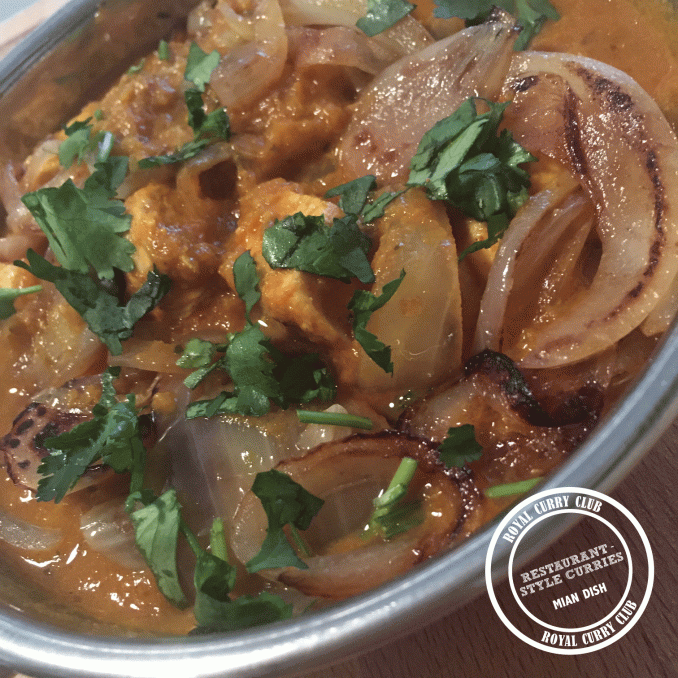
Chicken Dopiaza, strictly for onion lovers.

If you like this you should try our…
Prawn Dopiaza • Medium Chicken Curry • Chicken Madras • Chicken Vindaloo • Chicken Bhoona • Chicken Dhansak

I told my friend an onion is the only vegetable that can make me cry. So he threw a coconut at my head.

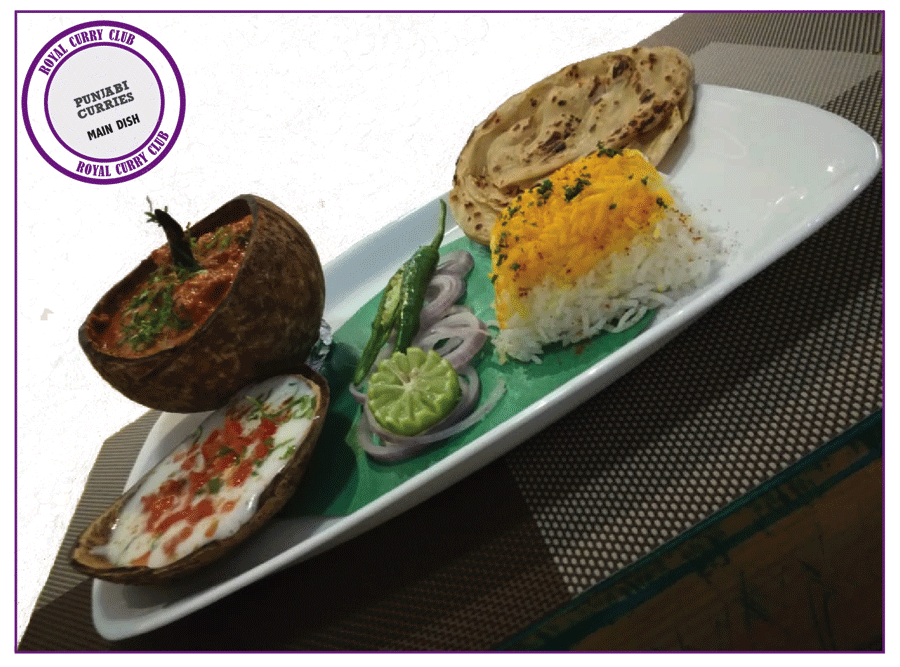
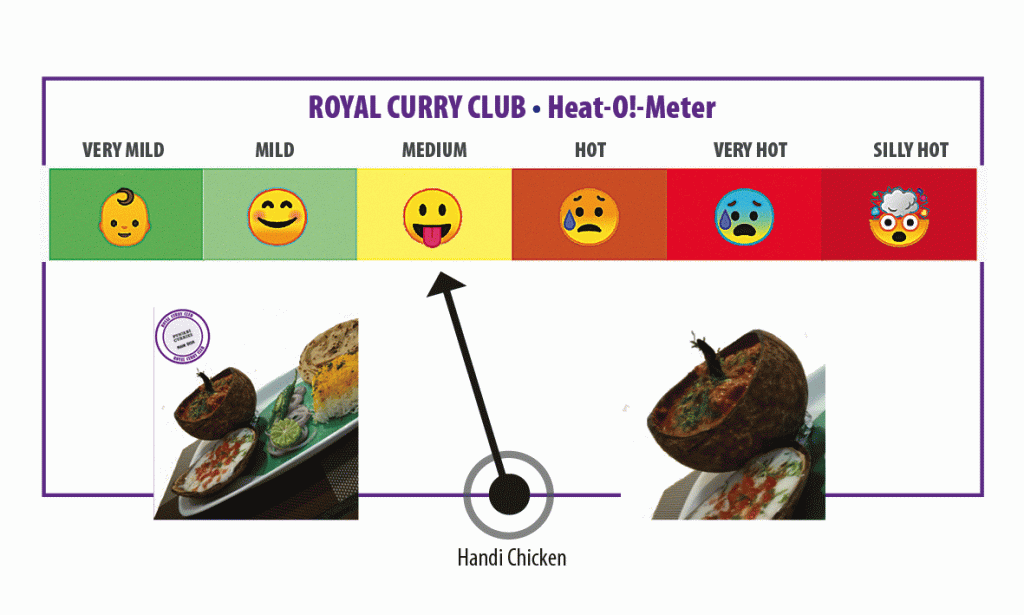
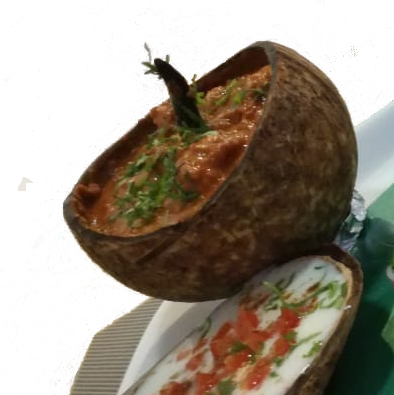
How to cook… Handi Chicken

Serves 4 as a main dish

Handi Chicken is a popular Punjabi dish named after the wide Indian cooking pot used particularly in north India and Pakistan. The famous Balti has origins in dishes such as these.

What you need…
• 2 Tablespoons ghee
• 3 onions sliced
• 2 teaspoons ginger paste
• 5 garlic cloves, finely chopped
• salt to taste
• 800g chicken, cut into bite-sized chunks
• 5-6 tomatoes, chopped
• 1 Tablespoons plain yoghurt
• 1 Tablespoon double cream
• small handful of fresh coriander, chopped

Spice Mix 1
• 1 teaspoon cumin seeds
• 1 teaspoon coriander seeds crushed
• 3 whole chillies

Spice Mix 2
• 1 teaspoon turmeric powder
• 1 teaspoon coriander powder
• 1 teaspoon chilli powder


How to make it…
1. Heat the ghee in a pan. Add Spice Mix 1 and fry for 15 seconds. to test if ghee is hot enough put in one cumin seed. It should sizzle immediately).
2. Add the onions and fry until they are golden brown.
3. Add the ginger, garlic, Spice Mix 2 and salt, stir well and cook for 2 minutes.
4. Add in the chicken and cook until all the pieces are white. This should take about 3–4 minutes.
5. Add in the tomatoes and cook for 8 minutes.
6. Add in the yoghurt, cream and most of the fresh coriander (keep a small bit for the garnish), stir well and cook for 2-3 minutes. Ensure that the chicken is cooked through.
7. Serve, garnished with the remainder of the fresh coriander.
• Recipe by Kedar Chandra, chef at Pakbo restaurant in Flic en Flac, Mauritius.


CHEF’S TIP
The stalks of the coriander have the most flavour, so mix them in with the curry and keep the leaves for the garnish.

If you like this you should try our…
Sindhi Biryani • Medium Chicken Curry • Chicken Madras • Chicken Vindaloo • Chicken Bhoona

Why did the chicken cross the leather? … To get to the other suede.

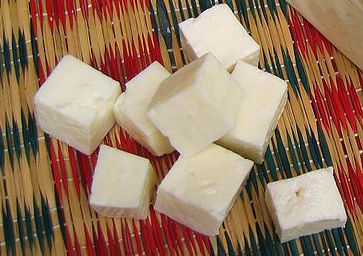
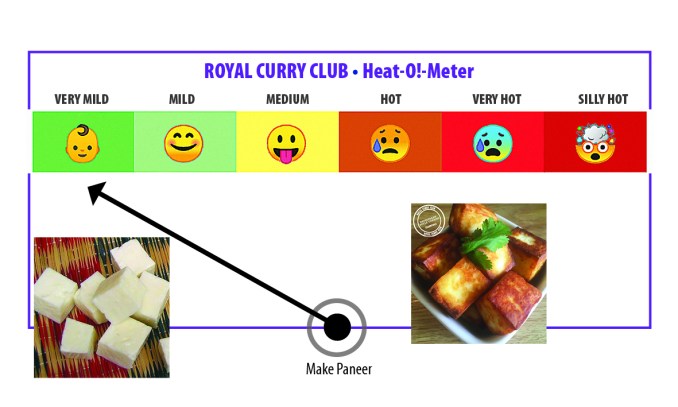
How to make… Paneer

Makes 250g of paneer

What you need…
• 6 pints full cream milk
• 1–2 Tablespoons white vinegar or fresh lemon juice

How to make it…
1. Put the milk into a pan and bring to the boil. Keep stirring to ensure the milk does not stick or burn as this will ruin the taste of the paneer. You’ll know it has boiled when a mound forms on the surface of the milk
2. Take the pan off the heat and add the vinegar or lemon juice a little at a time until the milk separates (these are the curds forming). The separation is pretty obvious so if the whey (what’s left after the curds are forming) still looks like milk, keep going with the vinegar or lemon juice. Let it cool for 10 minutes.
3. Next, remove the curds from the whey. Put some cheesecloth (you can also use muslin or even a J-cloth) over a large bowl and pour the mixture through it to strain out the whey. Rinse the curds with cold water to wash away the taste of the acid.
4. Bring the edges of the cloth together to wrap the curds and squeeze as gently as possible (this ensures the paneer will be soft and crumbly and not flattened completely). Make sure all the liquid had been removed.
5. Put a weight on it and leave it for an hour or more. Some more liquid will come out so put something underneath it.
6. The paneer will have formed and you can now cut it into chunks or strips for use.
• Thanks to Chili Paper Chains. Main photo: Sonja Pauen, CCA.

CHEF’S TIP
Full cream milk is essential for the proper taste of paneer.
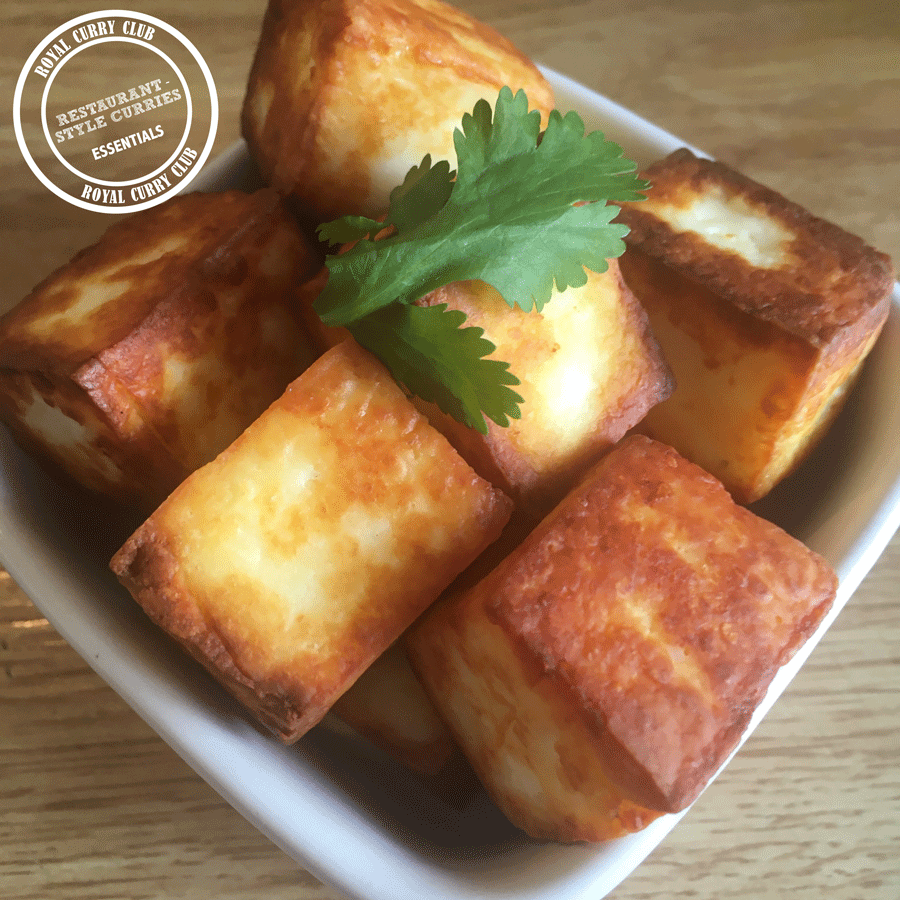
Paneer is beautiful with creamy sauces such as Butter Paneer or as a side dish with spinach.

If you like this you should try our…
Butter Paneer • Muttar Paneer • Sag Paneer

What is a paneer diet? … Curds and weigh.

Curry Guide… Saffron

pexels-photo-357743

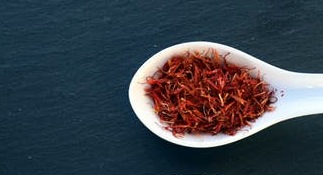
Saffron is a highly prized spice used for seasoning and flavouring, especially in Indian and Middle Eastern food. The delicate stigmas (or threads) are plucked from the saffron crocus and dried before use. Due to this intensive process to harvest just a few stigmas and the fact that it grows in only a few countries around the world, the cost of saffron is very high. So high, in fact, that the question “what spice is more expensive than gold?” has become a staple of nearly everyone who has leaned against a bar with a beer.

Oh, how we all love to exclaim: “saffron!” very loudly as if we have found the secret to the universe. It’s a ritual that’s made all the more fun because it’s not actually true (gold costs more than Ā£32,000 per kg as compared to about Ā£2,500 per kg of saffron)*

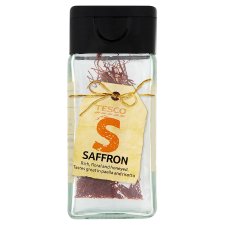
Saffron users are also going to need quite a bit of storage space to match its “weight in gold”. With a standard gold bar, as used by the bullion traders and banks, weighing 12.4kg you’re going to need a whopping 24,800 of these 0.5g packs that are sold by Tesco supermarket (at Ā£2.50 each that would set you back Ā£62,000)*.

IDShot_225x225.jpg

But you’re certainly not going to need anything like that to spice up your food. Just a couple of strands is enough to add a beautiful flavour and aroma to your pilau rices, biryanis and kormas. The best way to use saffron is to put a couple of strands in a small amount of warm water or milk and press gently with the back of a spoon. This will release all the wonders of the spice, which can then be added to your dish.

The high cost of saffron means it is unlikely to be used in many restaurants. They will instead use the cheaper safflower, turmeric or colouring agents to try to mimic the properties of saffron.

Saffron is also know as zaffron or kesar (Hindi) and the largest producer of it is Iran, followed by Greece (where it was first cultivated), Morocco and Kashmir. Saffron has also been used for medicinal purposes and as a dye for clothes, its stigmas creating a colour which would have conferred status on the wearer due to its high cost.

* At 10 January 2019.

Photos: Pexels and Tesco.Ā 


Curry Guide… Coriander

IMG_0651Coriander is one of the most important spices in Indian cooking and is used as whole seeds (brown/cream colour), ground (brown) and fresh leaves (as pictured). The seeds give a slightly sweet flavour while the leaves are pungent and add a distinctive taste to many well-known curries. The leaves can be mixed into curries (the stems give the strongest flavour) or added to the top for garnish (or often both). To release the flavours and aromas of the coriander leaves it is best to bruise them gently with your fingers and tear them into pieces with your hands rather than chopping them up using a knife.



The Spice Card offers savings on curries, including on takeaways at many venues. You can get your Spice Card here.

3D card image

Curry Guide… the Chef’s Region

IMG_6771
Do you want a curry that’s cooked to perfection? Next time you go for a spicy meal ask the waiter if the chef would recommend a special dish from the country or region he’s originally from.

Chefs can, of course, cook lots of different dishes from different regions, but they will almost certainly have perfected the dishes from the place where they grew up or learned to cook. Remember, the dish will not necessarily something from the menu under the header “Chef’s recommendations”.


The Spice Card offers savings on curries, including on takeaways at many venues. You can get your Spice Card here.

3D card image